
The Strategy Spotlight

January 2025

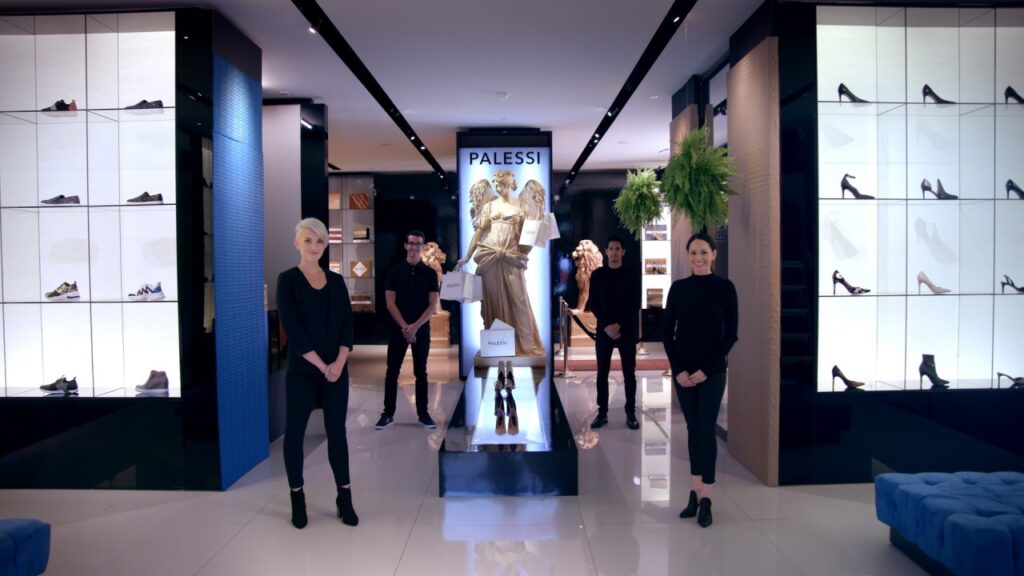
The Palessi Effect: How Payless Used Perception to Sell $40 Shoes for $640

The Palessi Effect: How Payless Used Perception to Sell $40 Shoes for $640 Payless pulled off an absolutely brilliant marketing prank with its “Palessi” stunt, and honestly, it was the kind of mischief that marketers dream about. They set up a fake high-end boutique, stocked it with their usual budget-friendly shoes, and invited unsuspecting fashion influencers to check out the “designer” collection. The twist? The same $40 shoes that sit in a Payless store were suddenly going for $640 a pair. And people were eating it up. Hidden cameras captured the moment shoppers learned the truth, and their reactions were priceless. Some laughed, some looked downright betrayed, but all of them had fallen for the biggest trick in branding: perception is everything. The campaign exploded online, racking up over 300 million media impressions and landing features in Adweek, The New York Times, and Business Insider. What can marketers learn from this genius stunt? Here are five key takeaways: 1. Perception Shapes Value The Palessi experiment proved that price can completely change how people see a product. Put a high number on a price tag, and suddenly, the product seems more luxurious. It’s called prestige pricing, and it happens everywhere. Why do people shell out thousands for a Louis Vuitton handbag when a $100 bag functions the same way? Because branding makes it feel exclusive. Studies show that 67% of consumers believe price directly reflects quality, even when there’s no difference. It’s the same reason why a $200 bottle of wine tastes better than a $10 bottle in a blind test, except scientifically it doesn’t. In one experiment, researchers at Stanford and Caltech gave participants two glasses of the same wine but told them one was more expensive. Brain scans showed their pleasure centers lit up more for the “expensive” wine, even though both were identical. Payless flipped this logic on its head, showing that even bargain shoes can feel like luxury with the right setup. 2. Environment Influences Buying Decisions Let’s be real, nobody’s looking at a Payless store and thinking “luxury.” But put the same shoes in a sleek, high-end boutique with gold mannequins, moody lighting, and a staff trained to treat you like royalty? Suddenly, people are willing to splurge. This is a textbook example of atmospherics at play. A 2019 retail study found that 76% of shoppers say store ambiance affects how they perceive product quality. It’s why Apple stores feel futuristic and minimalist, while luxury brands go for marble floors and chandeliers. It’s also why restaurants put effort into plating, because if your $50 steak looks like a work of art, you’re going to convince yourself it tastes better. Payless simply borrowed the same trick, and it worked like a charm. 3. Branding Can Override Product Reality The name “Palessi” sounds like an up-and-coming Italian designer, right? That’s exactly why it worked. Consumers associate Italian fashion, French wines, and Swiss watches with premium quality, even if they don’t know much about the brands themselves. Payless tapped into this psychological shortcut by crafting a fake upscale identity. A study by Harvard Business Review found that 64% of consumers are more likely to buy a product if they believe in its brand story. And the crazier part? A 2020 survey found that 45% of consumers are even willing to pay more for a brand name, even when they know the product is identical to a generic version. That’s the power of branding: it doesn’t just sell a product, it sells an identity. 4. Social Proof is a Powerful Persuader Payless didn’t just rely on a fancy store, they let influencers do the heavy lifting. Before the reveal, fashion influencers raved about the “designer” shoes, praising their craftsmanship and elegance. This was social proof in action. When people see others (especially trendsetters) loving a product, they’re far more likely to buy in. A 2023 report from Influencer Marketing Hub found that 92% of consumers trust influencer recommendations over traditional ads. And it’s not just influencers, this is why customer reviews can make or break a product. Ever noticed how an Amazon product with 4.8 stars sells way better than one with 4.2, even though both are rated “good”? That fraction of a point matters because people want reassurance before they buy. Payless didn’t just trick customers, they tricked the tastemakers, making the campaign even more powerful. 5. Marketing Stunts Can Drive Brand Reappraisal Let’s be honest, Payless isn’t exactly a brand that screams “cutting-edge fashion.” But for a moment, they were the hottest topic in retail. This prank didn’t just sell shoes, it got people talking. News outlets covered it, social media exploded, and suddenly, Payless was positioned as a brand worth reconsidering. Whether it leads to long-term sales is another story, but in the months following the stunt, Payless saw a significant increase in social media engagement, with over 2.5 million interactions across platforms. And while they eventually had to close their US stores due to financial struggles, this campaign was a reminder that even an aging brand can shake things up with the right marketing strategy. The Bottom Line The Palessi experiment was marketing magic at its finest. It showed that branding isn’t just about the product, but about the story, setting, and social cues that shape perception. Payless gave customers their money back, but the impact of this campaign will live on as one of the best examples of how marketing can warp reality. It’s proof that price tags, store design, and a splash of influencer hype can make or break a brand’s image. Whether this changes how people see Payless in the long run is uncertain, but one thing’s for sure, it was a marketing stunt for the ages. And honestly? It was hilarious. Because if a budget shoe store can momentarily convince people they’re shopping at an exclusive European boutique, anything is possible in marketing.

The Palessi Effect: How Payless Used Perception to Sell $40 Shoes for $640 Read More »

The Day Duolingo’s Dancing Owl Stole the Show: Guerrilla Marketing Lessons for Brands

The Day Duolingo’s Dancing Owl Stole the Show: Guerrilla Marketing Lessons for Brands Picture this: you’re at a Charli XCX concert, the lights are flashing, the crowd is buzzing, and just as the beat drops, you see green owls dancing in the middle of the crowd. Phones are instantly up, capturing the moment, and within moments, TikTok is swarmed with videos of the funny spectacle. It wasn’t just a random scene; this was Duolingo, the language-learning app, pulling off a guerrilla marketing stunt that instantly captivated audiences. Bold, quirky, and perfectly on-brand, it was a move that turned a simple concert into a viral moment. But beyond the viral clips and laughs, this stunt holds a goldmine of lessons for brands trying to break through the clutter of the modern marketplace. Let’s break down why Duolingo’s daring concert cameo was such a triumph and how you can apply these insights to your own marketing efforts. Duolingo’s Playful Marketing Genius Duolingo has carved out a unique space for itself by embracing humor, relatability, and a quirky charm that thrives online. Whether it’s Duo the Owl sending cheeky reminders to keep users engaged (who hasn’t seen those memes?) or creating viral TikTok videos, Duolingo knows exactly how to grab attention. The Charli XCX stunt embodied that same playful spirit. Without any formal partnership, Duolingo sent its mascots into the crowd, letting Duo the Owl mingle with fans, dance, and, most importantly, let the audience amplify the fun. Videos of Duos dancing spread like wildfire across TikTok, racking up millions of views and sparking conversations on social media. This stunt wasn’t just clever; it was strategic. Duolingo knew their audience inside and out: Gen Z and millennials who live for humor, love TikTok, and enjoy creating shareable moments. By crafting an unforgettable scene, they essentially turned concertgoers into brand ambassadors. What makes this move even more impressive is the way it harnessed organic engagement. In a world where people are becoming numb to traditional advertising, they’re craving authenticity. And there’s nothing more authentic than an unplanned but delightful interaction with a brand mascot. Why Did It Work So Well? At first glance, it might seem like a giant owl dancing at a concert is just random chaos. But in reality, it was anything but. Duolingo understood three key elements that made this stunt so effective: The results speak for themselves: This wasn’t just a fleeting viral moment; it became a movement, keeping Duolingo at the forefront of people’s minds. It didn’t stop at social media. The stunt was picked up by marketing blogs and even mainstream media, further expanding its reach. What Makes Guerrilla Marketing So Effective? Guerrilla marketing works because it breaks the norms. It’s not about spending a fortune on flashy ads; it’s about creativity, timing, and understanding your audience deeply. Duolingo’s stunt wasn’t random; it was a natural extension of their brand personality: quirky, fun, and a little cheeky. They didn’t just interrupt the concert; they amplified their own essence in a way that resonated with fans. When you create an experience that surprises people, they don’t just take notice, they share it. In 2025, word-of-mouth marketing, especially via social media, remains one of the most powerful tools. Guerrilla marketing works because it shifts away from polished, scripted moments and back to the raw, spontaneous, and authentic. It feels real, and that’s exactly what makes it so impactful. Five Lessons from Duo’s Dancing Debut Duolingo’s success wasn’t mere happenstance. They understood exactly who they were targeting: Charli XCX fans, TikTok users, and anyone who loves a good laugh. For your brand, it’s essential to focus your efforts on a specific audience. It’s not about reaching everyone, it’s about understanding your core demographic and creating something they can’t ignore. That understanding comes from research, engagement, and listening. The better you know your audience, the more effective your marketing will be. Duo’s dancing antics worked because humor is at the heart of Duolingo’s brand. From funny reminders to iconic memes, Duolingo has built its identity on being lighthearted and approachable. Humor can break down walls and make your brand feel more human. It’s a tool that brings people together. But, of course, the humor must match your brand’s tone. One misstep, and it could backfire. When done right, humor doesn’t just entertain, it creates lasting memories and cultivates brand loyalty. Sending a giant owl to a concert was undeniably bold, but it wasn’t reckless. Duolingo took a calculated risk, knowing this would resonate with their audience and spark conversations. Boldness is powerful when it’s grounded in strategy. Taking risks is part of marketing, but it’s essential to make sure they align with your brand’s values and voice. Take the time to assess potential risks, plan for contingencies, and then go all in. Authentic boldness will always strike the right chord. One of the smartest things Duolingo did was hand over control to the audience. Fans recorded and shared their own clips, turning the stunt into a viral phenomenon without any extra effort from the brand. To replicate this success, create experiences that are worth sharing. Give your audience something unique, funny, or deeply relatable. In the digital age, word-of-mouth marketing is about giving people a reason to share, and when they do, your brand reaches new heights. This stunt wasn’t an isolated effort. It was an extension of Duolingo’s established brand image. People expect humor and boldness from Duo, so the campaign felt authentic. Consistency is key. Whether your brand is serious, playful, or adventurous, staying true to your voice helps build trust. Consistency doesn’t mean being boring, it’s the foundation for recognition and loyalty. In a world bombarded with ads, guerrilla marketing rises above the noise because it’s real, surprising, and memorable. It cuts through the clutter by being authentic. But guerrilla marketing isn’t random. It’s about knowing your audience, understanding what resonates, and delivering it in a fresh, unexpected way. Duolingo’s stunt worked because it wasn’t just a spectacle;

The Day Duolingo’s Dancing Owl Stole the Show: Guerrilla Marketing Lessons for Brands Read More »

Marketing Strategy 101: A Beginner’s Guide for your Startup in 2025

Marketing Strategy 101: A Beginner’s Guide for your Startup in 2025 Starting a business is exciting. But when it comes to marketing, many founders feel like they’ve been handed a jigsaw puzzle with half the pieces missing. That’s understandable, marketing isn’t a one-size-fits-all solution, especially when you’re a startup with limited resources. Yet, the reality is clear: startups that get their marketing strategy right don’t just survive…they thrive!. So, how do you craft a plan that works? Let’s take this step by step. Why Marketing in 2025 Is a Whole New Ball Game The marketing world has changed dramatically over the past few years. What worked in 2015 won’t necessarily work now. Consumers are savvier, the competition is fiercer, and the sheer number of channels available can feel overwhelming. In 2025, attention spans are shorter than ever. A Microsoft study revealed that the average attention span is now just 8 seconds. Couple that with the fact that over 6.8 million new businesses are launched annually worldwide, and you start to see the stakes. However, startups that invest in marketing don’t just beat the odds…they set trends. According to a 2024 CB Insights report, 42% of startups fail due to a lack of market demand. That statistic underscores the importance of marketing, not just to attract customers but to validate that your business is solving a real problem. Step 1: Define Your Goals (The Right Way) Before diving headfirst into tactics, pause and think: What do I actually want to achieve? Clear, measurable goals act like a compass, keeping you focused and accountable. Instead of vague ambitions like “We want to grow,” aim for something more tangible: These goals aren’t just aspirations—they’re benchmarks that guide your strategy. And remember, the best goals are SMART: Specific, Measurable, Achievable, Relevant, and Time-bound. Why It’s Important: Startups often operate with limited resources. A clear goal ensures every dollar, hour, and ounce of energy is spent on activities that drive results. Step 2: Understand Your Audience…Really Understand Them! Here’s a hard truth: your product isn’t for everyone. And trying to appeal to everyone is a surefire way to appeal to no one. Let’s say you’re launching a meal prep service. Are your target customers busy professionals who value convenience, health-conscious parents, or fitness enthusiasts looking for macro-friendly meals? Each of these groups has different needs and priorities. How to Get to Know Your Audience: Example: Airbnb’s founders famously visited their early users, taking time to understand what they loved (and hated) about the platform. That hands-on research laid the foundation for their marketing success. Step 3: Craft a Unique Brand Voice Your brand voice is how your company sounds and feels to customers. And in 2025, it’s not just a nice-to-have; it’s a must. Think of brands like Wendy’s. Their snarky, playful tone on Twitter has made them a standout in fast food marketing. Or consider Nike, whose motivational “Just Do It” mantra resonates with athletes worldwide. So, what’s your voice? Are you witty, professional, approachable, or inspiring? Your tone should reflect your values and connect with your target audience. How to Stay Consistent: Why This Matters: Research shows that consistent branding increases revenue by 23%. People trust brands that feel familiar and cohesive. Step 4: Pick the Right Marketing Channels Every startup faces the same temptation: trying to be everywhere at once. But unless you have a Fortune 500 budget, it’s better to focus on a few key channels. Here’s a breakdown of popular marketing channels and when to use them: Pro Tip: Start small. Test one or two channels before scaling. Spread yourself too thin, and you risk mediocrity across the board. Step 5: Measure, Analyze, and Adapt One of the most common mistakes startups make is running marketing campaigns without tracking the results. Marketing isn’t a guessing game, it’s about testing, learning, and iterating. Key Metrics to Track: Example: Dropbox famously grew its user base by 3900% in 15 months, thanks to its referral program. How? They tracked metrics obsessively and doubled down on what worked. 5 Lessons I’ve Learned in Marketing After years of working with startups, here are the five lessons I wish I’d known earlier: Why Marketing Is the Lifeline of Your Startup At its core, marketing isn’t about flashy ads or clever slogans. It’s about building connections, between your product and the people who need it. Done right, marketing drives growth, builds loyalty, and turns your customers into your biggest advocates. It’s not easy, but it’s worth it. So, whether you’re building a fitness app, a SaaS platform, or a sustainable fashion brand, remember this: your marketing strategy isn’t just a task on your to-do list, it’s the heartbeat of your startup’s success. Now, go create something amazing! What’s the first step you’ll take to build your marketing strategy? Let me know, I’d love to hear your thoughts!

Marketing Strategy 101: A Beginner’s Guide for your Startup in 2025 Read More »