
The Strategy Spotlight

March 2025

Liquid Death: The Water Brand That Killed Boring Marketing

Liquid Death: The Water Brand That Killed Boring Marketing Imagine you’re at a concert, the music’s electrifying, and you’re thirsty. You reach for a drink, but instead of the usual plastic bottle, you grab a tall, edgy can that looks more like a craft beer than water. That’s Liquid Death for you, a brand that’s transformed the simple act of drinking water into a rebellious statement. From Humble Beginnings to a $1.4 Billion Valuation Founded in 2017 by former skateboarder and advertising pro Mike Cessario, Liquid Death set out to make water cool. By 2023, the brand had surpassed $250 million in sales, and a $67 million funding round in March 2024 catapulted its valuation to a staggering $1.4 billion. Not bad for a company selling mountain water in a can, right? But Liquid Death wasn’t born from a boardroom brainstorming session. It started as an idea rooted in counterculture. Cessario saw how energy drinks, craft beers, and even sodas had strong, personality-driven branding, while water was stuck in a cycle of bland wellness messaging. He wanted to disrupt that, to make drinking water feel as badass as chugging a beer at a punk rock show. Breaking the Mold with Unconventional Marketing Liquid Death didn’t just enter the market; it stormed in with a sledgehammer. Traditional water brands often play it safe with serene images of nature and purity. Liquid Death? They went full punk rock. Their motto, “Murder Your Thirst,” and their skull-laden cans scream rebellion. Their marketing stunts are the stuff of legend. Remember the “Greatest Hates” album? They took actual hate comments from critics and turned them into a death metal album. Talk about turning lemons into lemonade….or in this case, water into… well, you get it. Then there’s their infamous stunt where they sold cases of water with “contracts” requiring customers to sell their souls to Liquid Death. Over 100,000 people signed up. It was ridiculous, hilarious, and perfectly aligned with their brand. They even released an adult coloring book called “Murder Your Thirst: A Coloring Book for Psychos,” leaning further into their dark humor. The result? Millions of engagements, shares, and, ultimately, purchases. Social Media Savvy In today’s digital age, a brand’s online presence can make or break it. Liquid Death mastered this game by creating content that’s not just promotional but genuinely entertaining. Their darkly comedic sketches and collaborations, like the one with Amazon Prime’s “The Boys,” have made them the most-followed water company on TikTok and Instagram. But beyond just going viral, Liquid Death understands that social media is about fostering a community. Their fans feel like they are part of a movement, not just consumers of a product. Memes, hilarious comment replies, and interactive campaigns ensure their audience stays engaged. For example, they launched a campaign called “Cutie Polluties,” where they designed adorable plush toys based on plastic pollution, complete with sad little eyes. It was a punchy way to address environmental waste while staying true to their offbeat humor. Environmental Commitment with a Twist Beyond the edgy branding, Liquid Death has a serious side. They’re committed to reducing plastic waste, opting for recyclable aluminum cans over plastic bottles. Campaigns like “Sell Your Soul” cleverly combined their irreverent humor with environmental activism, resulting in significant donations to beach clean-ups. To hammer home their anti-plastic stance, they even created a fake “plastic hydration company” called Plastic Death, complete with a website and a faux marketing video highlighting the absurdity of the plastic water bottle industry. It was another example of how they use satire to push a message. Expanding the Brand Beyond Water Liquid Death isn’t stopping at water. They’ve expanded into flavored sparkling water and, most recently, an iced tea line. But the branding remains consistent: bold, rebellious, and always a little outrageous. Their iced teas, for example, have names like “Armless Palmer” and “Rest in Peach,” keeping their signature dark humor intact. They’ve also leaned into merchandising, selling everything from t-shirts and hoodies to skateboards and even voodoo dolls. At this point, Liquid Death isn’t just a water company; it’s a lifestyle brand. Key Takeaways Final Thoughts Liquid Death’s meteoric rise is a testament to the power of bold branding and genuine connection with consumers. They’ve proven that even a product as basic as water can be reimagined and revitalized with the right mix of creativity, humor, and purpose. So, next time you’re sipping on a Liquid Death, remember: it’s not just water; it’s a revolution in a can.

Liquid Death: The Water Brand That Killed Boring Marketing Read More »

No Budget? No Problem!: 3 Amazing Examples of Rockstar Campaigns That Rocked

No Budget? No Problem!: 3 Amazing Examples of Rockstar Campaigns That Rocked What do you do when you’ve got a great idea but zero budget? Pack up and go home? Not a chance. Some of the best marketing campaigns in history didn’t rely on deep pockets, they relied on creativity, psychology, and a touch of boldness. Let’s break down three legendary campaigns that didn’t need millions to make millions: IKEA’s Sleepover, Dove’s Real Beauty Sketches, and The ALS Ice Bucket Challenge. These campaigns didn’t just grab attention; they created movements, conversations, and brand loyalty that lasted far beyond the initial buzz. 1. IKEA’s Sleepover: Because Who Doesn’t Want to Crash in a Furniture Store? Imagine this: You’re binge-watching a reality show, and suddenly, IKEA slides into the conversation, not because they placed an ad, but because they literally let people have a sleepover in their store. That’s exactly what happened in 2011 when IKEA UK turned a random Facebook request into marketing gold. The Concept: A Facebook group called “I Wanna Have a Sleepover in IKEA” had about 100,000 members. IKEA saw an opportunity, invited 100 lucky fans for a night of pillow fights and bedtime stories, and threw in a sleep expert for good measure. The Experience: Attendees got to choose their own mattress, explore the store after hours, and participate in various fun activities designed to make them feel at home. Some even walked away with freebies, adding to the excitement. The Impact: Why It Worked: 2. Dove’s Real Beauty Sketches: The Gut Punch That Made Millions Cry (and Buy) Dove has long positioned itself as a champion of real beauty, but in 2013, they raised the bar. They brought in a forensic artist to sketch women based on their own descriptions, and then again based on how strangers described them. The result? The second sketch was almost always more flattering. The Concept: Women’s self-perception is often much harsher than how others see them. Dove turned that insecurity into a powerful emotional hook, proving their point in under three minutes. The Emotional Impact: The video showed women visibly moved by the contrast between how they viewed themselves and how others saw them. This raw emotional reaction struck a chord with millions, leading to widespread conversation about beauty standards and self-esteem. The Impact: Why It Worked: 3. The ALS Ice Bucket Challenge: When a Viral Trend Turns into a $115 Million Fundraiser The ALS Ice Bucket Challenge started as a small idea and became a global movement. The concept was simple: dump a bucket of ice water over your head, donate to ALS research, and challenge your friends to do the same. The Concept: One person’s challenge turned into another, and soon, celebrities, CEOs, and everyday people were drenching themselves for a cause. It became a game, a badge of honor, and a social media storm. The Celebrity Factor: From Bill Gates to Oprah, big names joined in, bringing even more attention to the cause. The viral nature of the challenge meant that each new participant brought fresh eyes to the campaign, amplifying its reach exponentially. The Impact: Why It Worked: 5 Key Takeaways from These Campaigns 1. Listen to Your Audience IKEA didn’t force a concept onto people: they paid attention to what customers already wanted. If people are already talking about you, engage instead of interrupting. Your next great campaign idea might already be out there, waiting to be noticed. 2. Make It Emotional Dove’s campaign didn’t focus on product features. It focused on a feeling. When people feel something, they remember you. Emotional marketing is powerful because it taps into human nature. People buy based on emotion and justify with logic. 3. Encourage Participation The Ice Bucket Challenge worked because it wasn’t passive. People wanted to take part. If you can make your audience the star, they’ll market your campaign for you. User-generated content is often more powerful than the slickest ad. 4. Think Beyond Traditional Ads None of these campaigns relied on big-budget commercials. Instead, they leaned on organic reach, social sharing, and earned media. Sometimes, traditional ads aren’t the answer. Think about how your brand can create moments that are worth talking about. 5. Timing and Simplicity Matter The best ideas aren’t always the most complex. The Ice Bucket Challenge was ridiculously simple. Dove’s concept was a three-minute video. IKEA’s sleepover was just an event. But the execution? Flawless. Timing matters, and a simple idea executed well can outperform a complex one. Final Thoughts Marketing isn’t about how much you spend: it’s about how well you connect. These campaigns prove that with a little creativity, smart storytelling, and the right timing, you can create something unforgettable. No million-dollar budget required. So, next time someone tells you you need a massive budget to make an impact, show them this list. Then go out there and prove them wrong. And who knows? Maybe your next big idea is already hiding in plain sight, just waiting for you to act on it.

No Budget? No Problem!: 3 Amazing Examples of Rockstar Campaigns That Rocked Read More »

The Death of Duolingo (and Why It Was Brilliant)

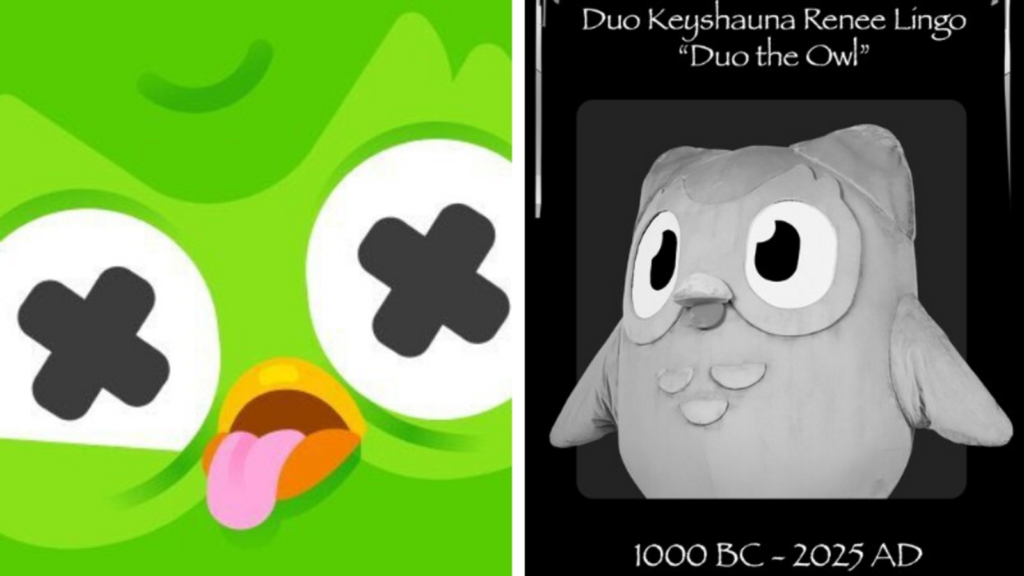
The Death of Duolingo (and Why It Was Brilliant) Marketing is supposed to follow rules. Build brand consistency. Protect your mascots. Stay within the lines. Duolingo? They threw that rulebook straight out the window. In February 2025, the language-learning app did something wild: they killed off their beloved (and slightly terrifying) green owl, Duo. At least, that’s what they led the internet to believe. The internet lost it. A Viral Funeral for an Owl Duolingo’s social media accounts went silent. Then, a cryptic message: Duo is gone. Suddenly, fans were left in mourning. TikTok flooded with tributes, Twitter (sorry, X) users debated the cause of death, and memes spread like wildfire. Some were devastated. Others… relieved? (Let’s be honest, that owl’s push notifications were borderline threatening.) Duolingo played along, releasing funeral-style videos, blacked-out profile pictures, and even eulogies. Influencers and media outlets jumped in, fueling speculation and amplifying the reach. Hashtags like #RIPDuo trended globally, and Reddit threads dissected every clue, treating it like a true crime mystery. The campaign spiraled into global trending status, racking up millions of interactions across platforms. Then came the plot twist: Duo wasn’t dead. He had faked his own death to go viral in Japan, where Duolingo was struggling to gain traction. The campaign tied into a Japanese cultural trend of fictional characters “disappearing” as part of marketing stunts. To cap it off, Duolingo released a dramatic “resurrection” video where Duo emerged triumphantly, complete with over-the-top anime-style visuals. The internet (predictably) lost it all over again. Genius? Absolutely. The Numbers Speak for Themselves The “death” of Duo wasn’t just attention-grabbing. It was a masterclass in creative marketing, turning a simple mascot stunt into a full-fledged global event. So, What Can You Learn From This? Here are five key takeaways from the campaign: 1. Branding Rules Exist (But the Best Brands Know When to Break Them) Duolingo didn’t just step outside the box. They set it on fire. Most brands play it safe, but safe doesn’t trend. By taking a calculated risk, Duolingo strengthened its irreverent, internet-savvy identity. They understood that their audience thrives on chaos, memes, and viral-worthy moments. This wasn’t a reckless stunt. It was a strategic move that reinforced their brand voice. They stayed true to the humor and absurdity their audience loves, something every brand should consider before taking risks. 2. Social Media Isn’t Just a Platform, It’s a Playground Duolingo doesn’t treat social media like a corporate bulletin board. They use it as an entertainment space, where engagement is driven by humor, absurdity, and pop culture. The key? They let their brand have a personality. A weird, slightly unhinged, deeply relatable personality. Brands that treat social media as an extension of customer service miss out on its real power: storytelling, entertainment, and emotional connection. It’s also a reminder that social platforms aren’t just places to distribute content; they’re spaces to create experiences. When brands interact in a way that feels human, the audience responds accordingly. 3. Virality Isn’t Just Luck, It’s Strategy The campaign looked spontaneous, but it was methodically planned. From the blackout phase to the “mourning” period to the big reveal, every step was designed to build suspense, fuel speculation, and maximize reach. They knew their audience would spread the content for them. Want viral marketing? Think past the post itself. Engineer moments that people want to talk about. The more interactive and shareable your campaign is, the higher its chances of success. 4. Global Expansion Requires Cultural Intelligence Killing off a mascot might have flopped in certain markets, but in Japan it made perfect sense. The campaign tapped into a local marketing trend, making it feel relevant rather than random. This wasn’t just a PR stunt, it was a calculated move to strengthen brand awareness in a new market. By understanding and leveraging regional trends, Duolingo ensured their campaign resonated with the right audience. Global brands can’t just copy-paste the same strategy everywhere. They need to adapt, research, and respect cultural nuances to connect effectively. A great campaign in one country can fall flat in another if the messaging doesn’t align with local sensibilities. 5. People Love a Good Plot Twist Predictability is boring. The internet thrives on surprises, reversals, and unexpected turns. Duolingo didn’t just announce a new feature or product. They built a story, turned it into an interactive experience, and made their audience part of it. If you want people to engage with your brand, don’t just give them information, give them a reason to care. And if you can throw in an unexpected twist? Even better. The best marketing campaigns feel like entertainment, not advertisements. Duolingo blurred the line between reality and fiction, ensuring their audience stayed engaged until the very end. Final Thoughts Marketing isn’t about playing it safe. It’s about knowing when to take risks that pay off. Duolingo could have launched another standard ad campaign. Instead, they “killed” their most recognizable brand asset, and ended up strengthening it in the process. The lesson? Creativity wins. Always. If a green owl can fake his own death and come back stronger than ever, imagine what a bold, well-executed campaign could do for your brand.

The Death of Duolingo (and Why It Was Brilliant) Read More »