
The Strategy Spotlight

June 2025

When the chicken crossed the road (and then didn’t): A masterclass in owning your mistakes

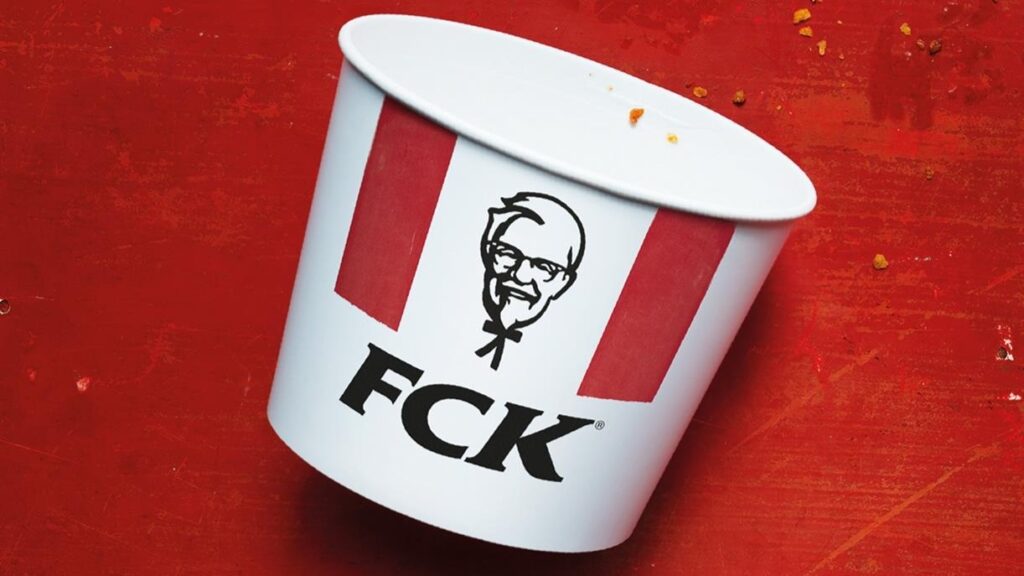
When the chicken crossed the road (and then didn’t): A masterclass in owning your mistakes Let’s rewind to February 2018. The air in the UK was usually buzzing with the aroma of fried chicken. But something was… off. For millions of Brits, their beloved KFC, that comfort food staple, was suddenly, shockingly, out of chicken. Imagine the horror! Hundreds of restaurants shut down, customers were bewildered, and social media, as it always does, erupted. You might be thinking, “A chicken shortage? Really? How bad could that be?” Well, try telling that to someone craving their Zinger meal after a long day, only to find their local KFC dark and deserted. It was, frankly, a bit of a cluck-up. The Unthinkable Happens This wasn’t some minor hiccup. It was a crisis of epic proportions for a brand built on serving fried chicken. The problem? A switch in delivery partners. KFC had moved from Bidvest Logistics to DHL, aiming for efficiency. What they got instead was a logistical nightmare. Mismanagement, miscommunication, and simply not enough drivers led to fresh chicken being stranded in depots, unable to reach the restaurants. The consequences were immediate and dramatic. Over 700 of KFC’s 900 UK and Ireland stores were forced to close their doors. For a brand that relies on consistent product availability, this was a body blow. The internet, predictably, had a field day. Memes proliferated, outrage simmered, and the brand’s reputation hung in the balance. People weren’t just missing their chicken; they felt let down. The Apology That Broke the Internet (and Rebuilt a Brand) So, what do you do when you’re a chicken company with no chicken, and the entire nation is talking about your supply chain woes? Most companies would issue a carefully worded, corporate-speak press release, full of buzzwords and evasive language. They’d probably blame external factors or promise to “do better.” KFC did something different. Something bold, brilliantly simple, and utterly disarming. They ran a full-page print advertisement in two of the UK’s most widely read newspapers, The Sun and Metro. It featured an empty KFC chicken bucket. Below it, in big, bold letters, were the letters “FCK.” Yes, you read that right. “FCK.” Rearranging the letters of their own brand name into a widely understood expletive. It was audacious. It was risky. And it was pure genius. Beneath the rearranged letters was the copy. And this is where the magic truly happened. It wasn’t a sterile apology. It was humble, humorous, and genuinely sorry. It admitted their mistake, without equivocation. “A chicken restaurant without any chicken. It’s not ideal,” the copy began. “Huge apologies to our customers, especially those of you who traveled out of your way to find we were closed. And to our team members, who’ve had to bear the brunt of it.” They explained the problem (briefly and clearly), promised to fix it, and ended with a plea for patience. It was transparent, accountable, and completely human. The Ripple Effect: From Crisis to Conversation Starter The ad went viral faster than you can say “11 herbs and spices.” It was shared across every social media platform imaginable. News outlets picked it up, not as a condemnation of KFC’s failure, but as a celebration of their incredible response. The numbers tell a compelling story. This single print ad, designed to acknowledge a massive operational failure, generated an astonishing 700+ articles globally, reaching an audience of nearly 800 million people. On Twitter alone, the campaign generated 8.6 million impressions in just three days. More importantly, it shifted the narrative. Public sentiment, initially boiling with frustration, began to turn. YouGov BrandIndex, a measure of public perception, saw KFC’s positive attention score climb from a mere 7% before the ad to 29% afterward. Their net positive sentiment (how many people had a favorable view minus those with an unfavorable one) surged from a negative 17% to a positive 31%. This wasn’t just about PR; it was about trust. When a brand admits its vulnerability and does so with wit and candor, people respond. They see authenticity. They see humanity. It changed the conversation from “KFC messed up” to “KFC messed up, but wow, look how they owned it!” The Financial Fallout and the Ultimate Comeback Now, let’s be realistic. A brilliant apology doesn’t instantly make chicken appear in empty restaurants. The chicken shortage had a real, tangible financial impact. In the short term, sales declined. Same-store sales growth fell by 6.8%. Turnover sales for the UK operations dropped significantly, from £445.7 million in 2017 to £207.3 million in 2018. Profit after tax decreased by 27.8%. This shows you that even the best marketing can’t solve a fundamental operational failure immediately. But what it can do is protect and rebuild your brand’s reputation, creating the space for recovery. And recover they did. By 2019, KFC’s UK market share actually increased from 7.3% in 2017 to 8.1%. This suggests that while there was a hit, the loyal customers returned, and perhaps new ones were even drawn in by the brand’s newfound honesty and courage. Industry Accolades: When Apologies Win Awards The “FCK” campaign wasn’t just a hit with the public; it was celebrated by the marketing and advertising industry. It picked up prestigious awards, including: These accolades weren’t just for a clever ad; they were for a strategy that demonstrated exceptional leadership, quick thinking, and a deep understanding of public sentiment during a crisis. 5 Crispy Key Takeaways Having spent years observing businesses, the KFC “FCK” campaign offers some profound lessons. Here are my top five, for you: 1. Own Your Mistakes, Completely and Quickly: When you mess up, you have two choices: obfuscate or admit. KFC chose the latter, and it paid off. Don’t hide behind corporate jargon or blame others. A genuine, unreserved apology, delivered swiftly, disarms critics and builds respect. It’s like clearing the air after a small disagreement, the sooner you do it, the less awkward things become. Remember, silence often speaks louder than words, and in

When the chicken crossed the road (and then didn’t): A masterclass in owning your mistakes Read More »

The hidden trap in A/B testing: How survivorship bias skews your marketing results.

The hidden trap in A/B testing: How survivorship bias skews your marketing results. In marketing, we love a good winner. The subject line with the highest open rate, the Facebook ad with the lowest cost per click, the CRM email that tripled conversions. We celebrate these wins, hold them up in pitch decks, and tell ourselves they’re proof of what works. Success becomes the story we tell. But here’s the thing: if you only focus on the winners, you’re falling into a classic cognitive trap: survivorship bias. This bias sneaks in when we base our decisions only on the campaigns that performed well, ignoring the ones that didn’t. It’s like judging a cooking contest by only tasting the dishes that made it to the finals. You’re missing out on everything that went wrong in the kitchen. And that’s where the real lessons are. Understanding survivorship bias Survivorship bias is the mistake of looking only at outcomes that “survived” a process. It creates a false picture of reality by excluding failures. Abraham Wald famously corrected this during WWII by showing the military that the real vulnerabilities of planes were in the parts where returning aircraft had no bullet holes. Because those hit in critical spots didn’t make it back. In business and marketing, this kind of thinking is just as dangerous. It leads to copying what appears to work while ignoring the full context and complexity underneath. You end up optimizing for outcomes that may not be reproducible. Or worse, misleading. Where It Shows Up in Marketing Five Ways to Keep Yourself Honest Final Thoughts A/B testing isn’t magic. It’s messy, iterative, and if you’re not careful, deceptively biased. Survivorship bias tricks you into thinking you’ve found the answer when really, you’ve found an answer. One slice of a bigger pie. Marketing is full of ghosts. The tests we forgot. The campaigns we buried. The emails we never sent. Ignoring them doesn’t make you smarter. It just blinds you. You can’t optimize what you pretend didn’t happen. Don’t build your strategy on half the story. Pay attention to what flopped, flailed, and fell flat. That’s where the truth lives. That’s where your edge is. Because when you see everything, you make decisions that actually work. Durable decisions. Smart, repeatable decisions. And in a world full of noise, that’s how you really get ahead. With your eyes wide open, your ego turned down, and your learning turned way up.

The hidden trap in A/B testing: How survivorship bias skews your marketing results. Read More »

Proudly second best: How IKEA won hearts by stepping aside

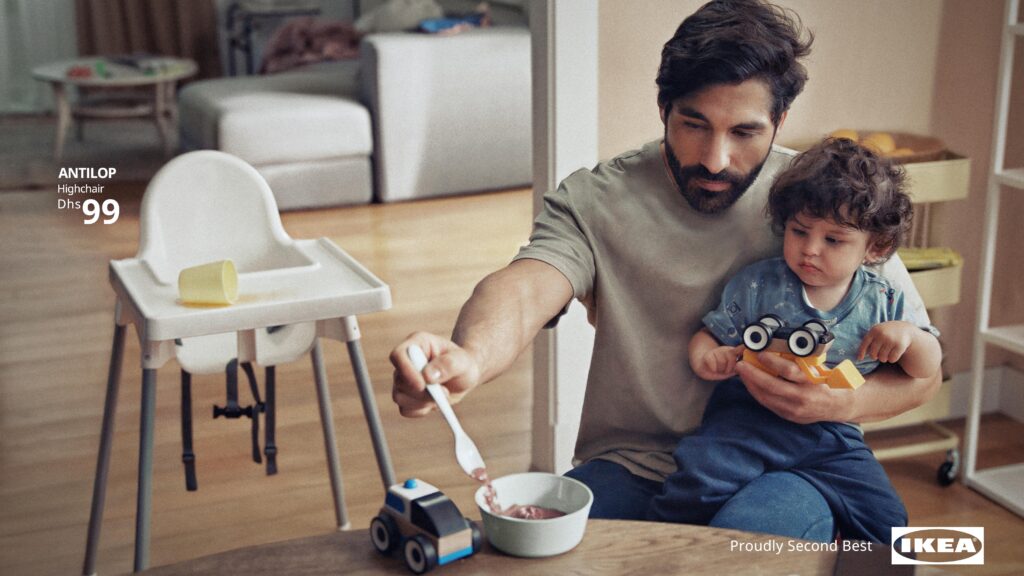
Proudly second best: How IKEA won hearts by stepping aside Let’s face it, most brands are obsessed with being number one. Top shelf. Industry leader. Best-in-class. That kind of thing. So, when a global furniture giant publicly declares that it’s proudly second best? You stop and take notice. That’s exactly what IKEA did. And not as a gimmick, but as a masterstroke of emotional storytelling, humility, and brand confidence. The “Proudly Second Best” campaign launched in 2023 across the UAE, Qatar, Egypt, and Oman. Within weeks, it became one of the most talked-about and awarded marketing campaigns in recent years. It’s rare that a brand message hits the head, heart, and gut all at once. IKEA’s campaign did just that. It wasn’t loud. It wasn’t flashy. It was quietly brilliant. This is the story of how IKEA made itself smaller to make something bigger: love. The Big Idea behind being second At first glance, the premise seems counterintuitive. IKEA, a company that sells baby cots, high chairs, and feeding gear, chose to highlight something that wasn’t their product: the bond between parent and child. Each ad in the campaign featured IKEA’s baby products quietly sitting in the background, while a child slept on a parent’s chest or was fed directly from a spoon, cradled in arms. The message? No product, no matter how smartly designed, can replace the comfort of a parent’s touch. “We’re proud to be second best,” the ads proclaimed. Because first place belongs to Mom and Dad. This campaign was developed by INGO Hamburg and DAVID Madrid and executed by Al-Futtaim IKEA in the Middle East. The creative team leaned into one powerful insight: love doesn’t need a product to exist, but a good product can make the moment a little easier. They didn’t try to be clever. They chose to be sincere. And it worked. Context matters: Why now? Modern parenting is noisy. Social feeds are flooded with “perfect” nurseries and parenting hacks. Brands often barge in with claims that their product is the answer to every sleep regression or tantrum. IKEA went the opposite way. Instead of centering the product, they centered real moments, and gently showed how their products fit around them. It felt honest. It felt human. And in a market full of hype, that kind of authenticity cuts through. More importantly, it tapped into a truth every parent knows: a cot might be ergonomic, but sometimes the only place your baby wants to sleep is on you. In this cultural moment where everyone’s shouting louder to get attention, IKEA dared to whisper. And guess what? That whisper carried. Crafting the message (And why it worked) A great campaign starts with a great insight. But how you bring it to life is where the magic happens. The production, led by director Michelle Cassis, was deliberately crafted to feel raw and real. Lighting was natural. The actors weren’t stiff. There were no overproduced nursery shots. Just little moments that looked like they were pulled straight from a new parent’s camera roll. It was emotional storytelling without sentimentality. Real without being gritty. Intimate without being intrusive. One standout spot features a baby sleeping peacefully on a father’s chest while the IKEA crib sits untouched nearby. The shot lingers long enough for the viewer to smile. Then the line appears: “Proudly Second Best.” There’s no sales pitch. No discount. No urgency. No aggressive CTA. Just truth. And that truth spoke volumes. The visual restraint mirrored the emotional restraint. The confidence of a brand that doesn’t need to be the hero to sell a crib. The impact was immediate The campaign wasn’t just a creative darling, it delivered real impact. Within months, the campaign: But numbers only tell part of the story. The deeper impact? Emotional resonance. Social media lit up with comments from parents who felt seen. There was pride. There was nostalgia. There was respect for a brand that knew when to speak and when to step aside. Many shared their own “second best” moments: late-night feeds, naps on dad’s chest, mashed banana everywhere but the spoon. IKEA gave them a mirror, not a megaphone. What I Learned From IKEA’s Bold Move After 15 years of helping businesses shape their messaging, here’s what stood out to me: 1. Humility in branding is rare and powerful. Admitting that you’re not the most important part of your customer’s life takes guts. But when you do, people trust you more. It doesn’t diminish your value, it enhances your relevance. 2. You don’t always need to shout. This campaign whispered. And that whisper echoed far louder than most screams. It didn’t beg for attention. It earned it. 3. Emotion is the shortcut to memory. We remember how things make us feel. IKEA didn’t try to sell us something, we felt something instead. That’s what sticks. That’s what gets shared. 4. Let the product take the back seat, sometimes literally. By placing their products in the background, IKEA made them feel quietly essential. There when you need them, invisible when you don’t. Not every product needs to be the star of the show to be memorable. 5. When the message is true, people listen. The authenticity here was undeniable. You can’t fake that. People know. And once they trust your voice, they’ll follow you anywhere. Why this campaign matters to marketers If you’re in marketing or brand strategy, here’s the real takeaway: And honestly? That’s the kind of thinking I wish more brands had. It’s also a refreshing change of pace in a culture that rewards being the loudest voice in the room. The bigger picture: Second best is a strategy What’s fascinating about this campaign is that it reframes the idea of “best.” In most boardrooms, “second” sounds like failure. But IKEA leaned into it and turned it into a connection. They said, “We know where we stand. And we’re proud of that.” That self-awareness gave them authenticity. And that authenticity gave them cut-through. Suddenly, second place wasn’t

Proudly second best: How IKEA won hearts by stepping aside Read More »