The Strategy Spotlight

September 2025

How Uber Eats Won Hearts by Being Un-Romantic

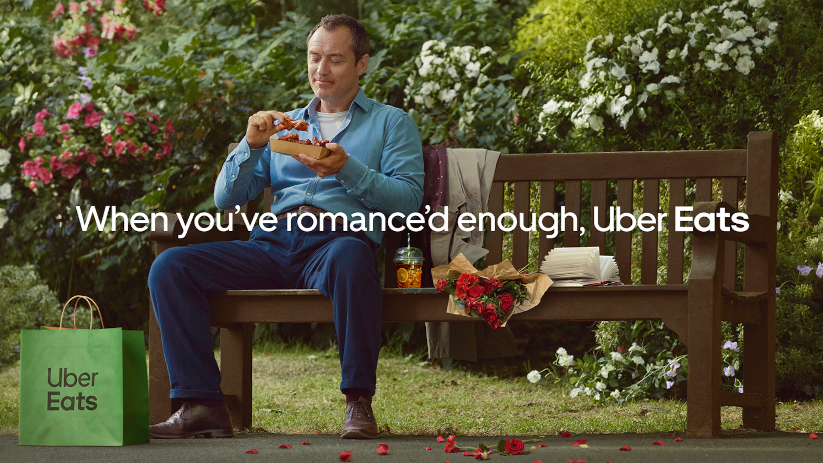
How Uber Eats Won Hearts by Being Un-Romantic You know the feeling. It’s 7 pm. The sun is gone. Your sofa looks like an offer you shouldn’t refuse. A rom-com plays in the background. Then the hero smiles at a camera like he owns your Saturday night. Cue predictable music. Cue predictable longing. Now imagine that hero saying, out loud, “No. I’m done with this.” Then he orders chicken wings and eats them with sauce all over his face. That’s the new Uber Eats ad starring Jude Law. It’s short, funny, and honest in a way big budget ads sometimes forget to be. And it matters, because the ad quietly does two things any marketer would love: it makes people laugh, and it makes them see Uber Eats as permission to switch off and enjoy a simple pleasure. Quick fact checks up front: the spot is part of Uber Eats’ UK brand platform called “When You’ve Done Enough,” and the new instalment is titled Romance’d Enough. The creative work was developed with agency Mother and directed by David Shane. The campaign runs across TV, out-of-home, digital and social channels. Setting the scene: why this felt necessary The food delivery category has been screaming convenience features for years. Free delivery. Wide choice. Fast times. All useful. But in an ad-saturated world, repeating those functional lines gets fuzzy. Uber Eats decided to stop shouting features and aim for a feeling instead: permission to put your feet up after you’ve done a lot for everyone else. That shift was already underway in Uber Eats’ recent creative work. The brand launched a broader platform that dramatizes moments when people have “done enough”, various public figures appear in roles that play on what they’re famous for, then choose downtime and food. The Javier Bardem spot (Evil’d Enough), framed the same idea for a different kind of typecast: the man who always plays the villain. The Jude Law film flips the rom-com typecast on its head. Why does this matter? Because casting a well-known actor in a role that echoes their screen persona is shorthand. It gives the ad context with a single frame. The audience brings the baggage, the previous films, the posters, the memes, and the ad borrows that history to land a quick comic beat. That saves time, and time is expensive in a 30 or 60 second film. The creative idea: self-humour plus shorthand Let’s be blunt: Jude Law’s brand is the rom-com heartthrob. That’s not a slight. It’s an asset. The creative idea here is twofold and elegant in its simplicity. First, use the actor’s public persona as a storytelling shortcut. You don’t need to explain why a random man is being chased by meet-cute moments; the audience understands instantly when it’s Jude Law. Second, have the star poke fun at himself. Self-humour takes the glossy sheen off a figure and makes them resemble the rest of us. That move invites the viewer in. It says: the star is human, pleasure is fine, and ordering food is an earned, private treat. When those two elements come together, shorthand plus self-parody, the ad earns three things: speed of comprehension, relatability, and earned media. You get recognition from the cast, laughter from the script, and headlines from the press cycle. The trade-off is small: you must get the casting right and trust the audience will accept the joke. Production notes reinforce the idea. The piece is cinematic, a romcom palette, but camera choices and editing land on small, revealing beats: an awkward glance, a botched meet-cute, a resigned sigh. The punchline is simple and human: Jude orders Uber Eats and digs into messy wings. That contrast, high-gloss romcom setup and low-gloss, unbuttoned payoff, is where the humour breathes. Execution: what the ad does and where it runs The ad opens in a world full of rom-com cues, cozy bookshops, dog-walkers who smile at the lead, the classic chance-run-in with a charming stranger. Jude Law navigates these moments like a tourist in his own career. Each potential meet-cute expands into a gag, and each gag underlines the ad’s premise: the hero has had enough. At the end, Jude chooses simplicity: comfort, and a messy box of wings just delivered. The final frame is intentionally domestic, him alone, enjoying something he doesn’t have to prepare. That’s the brand moment. It’s a simple substitution of emotional beats: swap longing for comfort. The tagline anchors the idea: when you’ve done enough, Uber Eats. Media placement is straightforward and integrated. The ad rolls across TV, DOOH (out-of-home), digital video placements, and social channels. The OOH presence helps push repeat exposure during peak commute and shopping windows. Social content does the heavy lifting for shareability, short cuts, behind-the-scenes stills, and the celebrity moment all go social-first, which lets earned coverage pick it up fast. Credits are notable because they show the level of craft: Mother as creative agency, David Shane directing, and O Positive as production partner. Those names signal an approach that treats a 60-second ad like a short film. That matters when working with an A-list actor; you need production that matches the talent. The strategic logic: why celebrity + self-parody is a low-friction way to land meaning Here’s the strategy in plain terms. Put together, those moves make the ad memorable and shareable. The casting creates immediate pressability. The script supplies the social clips and GIFable moments. The product moment is short and unmistakable: food arrives and the viewer understands how the service fits their life. You want to avoid two mistakes when using this tactic. First, don’t let the star dominate the brand. If viewers walk away remembering only the actor and not the product, you’ve failed. Second, don’t over-explain. The compactness of the idea is the strength; excess narration kills it. What the press and the industry said (and what that implies) Immediate coverage came from the industry press and trade outlets. Adweek, Creative Review, Campaign Live and others ran pieces describing the

How Uber Eats Won Hearts by Being Un-Romantic Read More »
How Coca-Cola Turned Awkward Silence into Lasting Connection

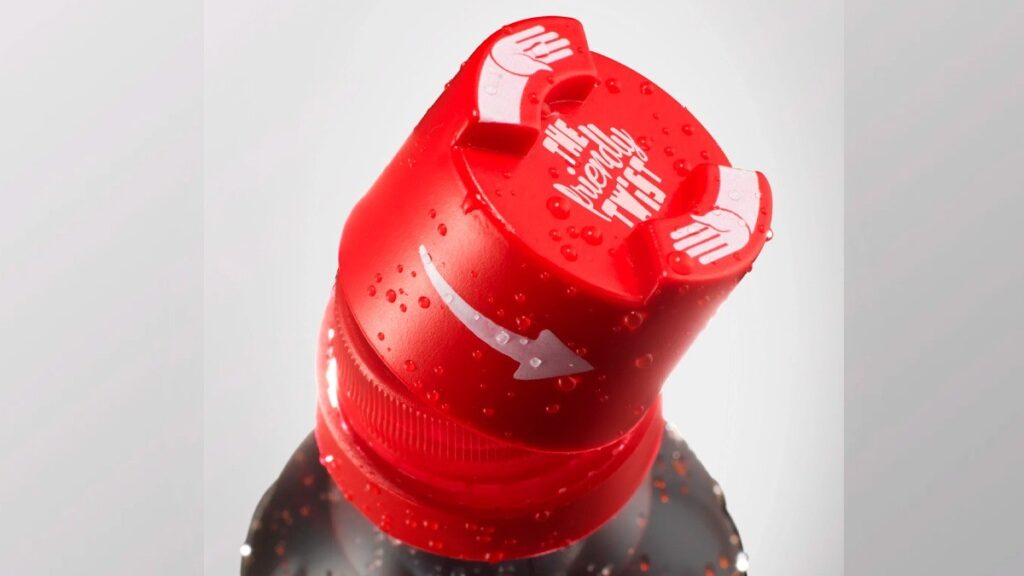
How Coca-Cola Turned Awkward Silence into Lasting Connection I’ve been in the business of building brands for quite some time. I’ve seen it all: the flashy Super Bowl ads, the perfectly curated influencer campaigns, the data-driven precision targeting that feels almost… well, a little too precise. But every once in a while, a campaign comes along that reminds me why I fell in love with this work in the first place. It’s a campaign that isn’t just about selling a product. It’s about engineering a moment, a shared human experience that creates a memory so powerful, it becomes inseparable from the brand itself. That campaign, for me, is the Coca-Cola “Friendly Twist.” You might have heard about it. It was a simple, brilliant idea that went viral. But what most people remember is the clever bottle. What they don’t always see is the strategic genius and the profound understanding of social dynamics that made it work. The Problem We All Know (But Never Talk About) Think back to your first day of college. Or maybe your first day at a new job. That moment you walk into a crowded room filled with new faces. It’s a mix of excitement and… utter, crippling awkwardness. The silence feels deafening. The air is thick with the unspoken question: “Who do I talk to?” It’s a universal human challenge. A moment of vulnerability. Now, imagine you’re a brand like Coca-Cola. For decades, your message has been about “happiness” and “sharing.” But how do you make that more than just a tagline? How do you make it real? How do you get people to live your brand promise, not just hear it? This was the challenge presented to Coca-Cola and their agency partner, Leo Burnett Colombia. The target audience was a specific group of people at a specific, vulnerable moment in their lives: college freshmen on their first day. Their solution wasn’t an ad. It was an invitation. The Unboxing of Connection: A Physical Icebreaker Instead of a traditional campaign, Coca-Cola created a limited-edition bottle. At first glance, it looked normal, but the cap was different. It wasn’t a screw-top. It was a twist-lock cap that could only be opened by engaging with another person’s matching bottle. You had to twist it together. Think about the simple power of this. It was a literal, physical icebreaker. Imagine the scene. A few new students, sitting alone, pick up a free Coke from a special vending machine on campus. They try to open it. It doesn’t work. The frustration. The confusion. Then, they look around and see someone else doing the same thing. A small smile. An unspoken understanding. A gesture: “Hey, do you need help?” And just like that, a conversation begins. A new connection is forged. All because two people, with two bottles, had to solve a simple puzzle together. This wasn’t just a gimmick. It was a masterclass in behavioral psychology. From Product to Experience: The Brand as a Catalyst The brilliant part of “Friendly Twist” is that the product itself became the marketing. It was no longer a beverage; it was a tool for social engagement. The campaign’s goals were beautifully aligned: And the best part? The campaign was a low-cost, high-impact effort. They didn’t need to buy a TV spot. They needed a few vending machines, a special bottle design, and a video camera to capture the magic. The Ripple Effect: Numbers That Tell a Human Story While specific sales figures for the limited-edition bottles weren’t widely released, and honestly, that wasn’t the main point, the campaign’s success can be measured in a different, more powerful currency: human engagement. The viral video capturing the live interactions was the campaign’s true media powerhouse. It showed the campaign in action, filled with authentic smiles, laughter, and genuine connection. The video itself was a compelling story, which is why it exploded. This campaign proved that if you can earn a spot in people’s emotional lives, you will earn their business. It demonstrated that a compelling brand experience can drive more value than any traditional ad campaign ever could. The product was the catalyst, but the human connection was the product. 5 Key Takeaways I Learned from the Friendly Twist Looking at this campaign with 15 years of experience, I see a few universal truths that apply to any business, big or small. In the end, this campaign wasn’t about a bottle of soda. It was about connection, kindness, and the little moments that change everything. It was about proving that a global brand can still be profoundly human. And that’s the kind of marketing that will always have a twist of genius.

How Coca-Cola Turned Awkward Silence into Lasting Connection Read More »

From ‘Just Do It’ to ‘Why Do It?’: The Masterclass in Reviving an Iconic Brand

From ‘Just Do It’ to ‘Why Do It?’: The Masterclass in Reviving an Iconic Brand As a marketing strategist who has seen brands rise and fall, I can tell you there is nothing more challenging (or more rewarding) than reviving an icon. It’s like being tasked with restoring a classic car. You don’t just put a fresh coat of paint on it. You get under the hood, honor the original engineering, but upgrade it with modern technology so it roars back to life on today’s roads. Nike’s recent “Why Do It?” campaign is a masterclass in this very process. It’s a case study on how to build over a strong brand foundation, reframe an old campaign for a new audience, and, most importantly, target the emotions that drive human behavior. This isn’t about nostalgia. It’s about a company with a legendary past confronting a challenging present and making a brilliant, calculated move to secure its future. Let’s get under the hood. The Foundation: What “Just Do It” Was Built On When Nike launched “Just Do It” in 1988, they were far from the undisputed giant they are today. They faced a fierce rival in Reebok, which was dominating the casual footwear market, especially in the aerobics craze of the time. Nike needed a new message, something that could unite its brand and expand its appeal beyond the world of elite athletes and runners. The solution, conceived by ad agency legend Dan Wieden, was a three-word phrase born from a shockingly dark place, the final words of a death row inmate: “Let’s do it”. Wieden simply changed one word, and in doing so, transformed a grim phrase into a universal rallying cry for determination and action. The strategy was simple but genius. It wasn’t about selling shoes; it was about selling a mindset. The campaign’s brilliance was its universality. It spoke to professional athletes and everyday people alike, encouraging them to overcome obstacles and pursue their goals, no matter how daunting. It made wearing Nike a symbolic statement of self-fulfillment and a way to belong to a “cool” group. This was emotional marketing at its most powerful, and the results speak for themselves. In the decade that followed, Nike’s share of the North American sport-shoe market skyrocketed from 18% to 43%. Worldwide sales grew from $877 million to an astonishing $9.2 billion. The campaign didn’t just reflect Nike’s success; it created it. It proved that a compelling story and an emotional connection could be a business metric in their own right. The Modern Challenge: A Giant in Transition Even a legendary brand faces headwinds. In recent years, Nike’s once-unshakable dominance has been challenged. The company saw a 10% decline in full-year 2024 revenues, and its stock price dropped a painful 30%. The brand was perceived to have “missed out on” the amateur running boom, ceding market share to competitors like Hoka, New Balance, and ASICS. This business context is the “why” behind the “Why Do It?” campaign. This isn’t just a creative pivot; it’s a strategic response to a very real business problem. The company needed to re-engage with a broader, more hesitant audience, the very community it had unintentionally alienated by focusing on the elite. Reframing an Icon: From Command to Question The single most powerful element of the new campaign is its fundamental shift in tone. “Just Do It” was a command. “Why Do It?” is a question. It’s a direct reintroduction of the classic rallying cry to a new generation. But instead of simply pushing people to persevere, the new message acknowledges the reality of today’s consumer: a “hesitant generation” that finds trying and failing “daunting”. The original campaign was a call to action. The new one is a call to introspection. It hands the legacy of “Just Do It” to a generation that wants to write its own next chapter. Greatness, the campaign argues, is a choice, not an outcome. It reminds athletes, and all of us, that trying still counts, and that failure is part of the process. By asking “Why?”, Nike isn’t weakening its message; it’s strengthening it by validating the struggles of its audience. This builds a deeper, more relatable emotional connection than any command ever could. The campaign’s centerpiece is a bold, cinematic anthem film. It features a global cast of Nike athletes like Carlos Alcaraz, Caitlin Clark, Saquon Barkley, and LeBron James. But it’s not the visuals that are the most telling. It’s the voice behind them. The narrator is artist Tyler, The Creator, whose raw, unfiltered voice gives the campaign a sense of authenticity and humanizes the struggle. The film asks questions like, “Why would you make it harder on yourself? Why chance it? What if you don’t?”. This isn’t corporate speak. It’s the voice of doubt that lives in all of our heads. The ad concludes with a sharp cut to the iconic “Just Do It” logo and a sharp, knowing cackle from the narrator. This isn’t just a stylish creative choice; it’s a moment of psychological release, acknowledging the shared human experience of fear and doubt. It’s the modern-day equivalent of the original campaign featuring an 80-year-old runner alongside a legend like Michael Jordan, a creative act that redefined the brand for a new generation. The Business of Emotional Leadership: Metrics and Results Since this campaign is so recent, comprehensive quantitative results like sales growth aren’t yet available. But this campaign shouldn’t be judged by short-term metrics alone. Nike has a history of high-stakes, high-reward campaigns. The 2018 “Dream Crazy” campaign with Colin Kaepernick, for example, sparked a major backlash but ultimately resulted in a 31% spike in sales and strengthened the brand’s identity. The “Why Do It?” campaign is a similar, if different, kind of risk. It’s a long-term play aimed at regaining the brand’s emotional leadership in a competitive market with declining revenues. It’s a strategic investment in long-term brand equity, proving that Nike’s success isn’t just about selling products but about inspiring a global community.

From ‘Just Do It’ to ‘Why Do It?’: The Masterclass in Reviving an Iconic Brand Read More »