The Strategy Spotlight

November 2025

How McDonalds Let the Grinch Steal its Christmas

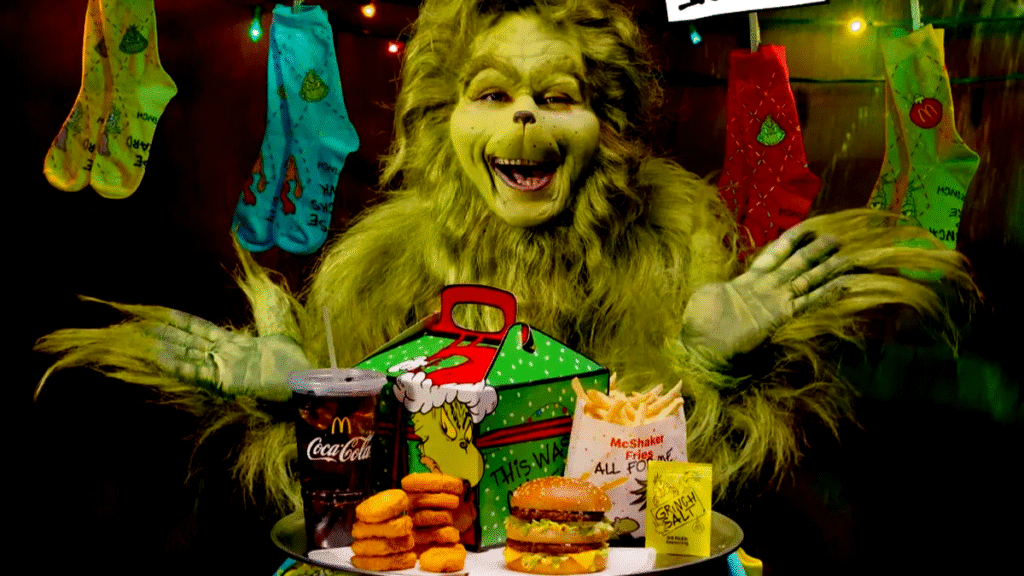
How McDonalds Let the Grinch Steal its Christmas Every holiday season, fast-food places try to win us over with sappy ads and big discounts. But in 2025, one brand decided to rip up the playbook. They didn’t just join the holidays; they let the Grinch, a 68-year-old green trouble-maker, take over the whole company. The result? It wasn’t just a hit; it was a masterclass in modern brand strategy. The McDonald’s x The Grinch campaign was a perfectly executed strategy that used nostalgia, humor, merchandise, and smart operations to achieve a significant cultural and sales win. This campaign proved that the Quick Service Restaurant (QSR) industry’s future isn’t about the lowest price, it’s about the richest emotional connection. This is the story of how McDonald’s handed the keys to the kingdom to the Grinch and secured the holiday crown. The Strategic Context: Why McDonald’s Needed the Grinch To understand the genius of The Grinch Meal, you first need to appreciate the strategic pressures McDonald’s faced in late 2025. This collaboration was born out of necessity to solve a critical problem plaguing the entire QSR sector. The Ghost of Grimace and the QSR Dilemma The Grinch Meal was a calculated follow-up to the viral success of the McDonaldland Adult Happy Meal, which launched in August 2025. The Grinch strategically capitalized on that proven momentum, cementing the Adult Happy Meal format as a reliable, recurring cultural event. The need for such disruptive, IP-driven campaigns became urgent due to a persistent industry paradox: The Uncomfortable Reality of the 2025 Consumer The campaign’s timing was perfectly calibrated to prevailing economic and emotional anxieties. Deconstructing The Grinch Meal: Operational Genius Meets Merch Mania The genius of the Grinch campaign is found in the elegance of its execution. It combined high cultural buzz with low operational risk. The Product Formula: High Buzz, Low Operational Risk The Grinch Meal was deliberately built on existing, high-volume products. The Dill Pickle Revelation: Multilayered Nostalgia The sole menu innovation was the Dill Pickle “Grinch Salt” McShaker Fries. The Sock Strategy: Merchandise as a Margin Driver Each Grinch Meal came with a pair of fuzzy, limited-edition Grinch socks. The Psychology of Chaos: Why Grinch Humor Was the Perfect IP Match The collaboration was a resounding success because McDonald’s borrowed the Grinch’s entire disruptive personality. Ceding Control: The Masterclass in Anti-Sentimentality The entire campaign was framed as the Grinch literally “taking over” McDonald’s. The brand, in collaboration with Leo UK, launched “McDonald’s Christmas Grinched,” positioning the Grinch as the mischievous saboteur of the festive season. The Humor and Humanization Factor The Grinch’s appeal lies in his relatability during times of high stress. Execution: The Full-Funnel, Integrated System The Grinch campaign was a full-funnel, integrated system that ensured the Grinch was inescapable across every relevant media channel. System, Not Spot: Pervasive Placement Strategy The campaign utilized a clear phased approach. The Gaming Program: Meeting the Audience Natively The most forward-thinking element was McDonald’s first holistic gaming program. This directly addressed the key young adult demographic that lives natively on platforms like Twitch. Results and Key Takeaways The McDonald’s x The Grinch 2025 collaboration provided strong validation for the IP-driven, nostalgia-focused strategy. Five Key Takeaways I Learned From the Grinch’s Chaos This campaign laid bare five undeniable lessons for achieving scalable marketing success in the modern era: Conclusion: The Future of Brand Partnerships The McDonald’s x The Grinch 2025 campaign will undoubtedly serve as the industry blueprint for winning the holiday season without defaulting to desperate, margin-killing price wars. By deploying potent nostalgia as a psychological comfort mechanism, leveraging self-aware and disruptive humor, and strategically building a robust, multi-channel media ecosystem, McDonald’s successfully transformed its most standard menu offerings into a highly coveted, scarce, limited-time cultural event. The campaign proved that disruption, emotional connection, and operational intelligence are the only true drivers of scalable QSR success. The Grinch didn’t just stage a takeover; he offered the entire quick-service industry a highly profitable lesson in cultural relevance.

How McDonalds Let the Grinch Steal its Christmas Read More »
The Art of Perpetual Progress: How Johnnie Walker’s ‘Keep Walking’ Defines the Foundation for Enduring Brand Relevance

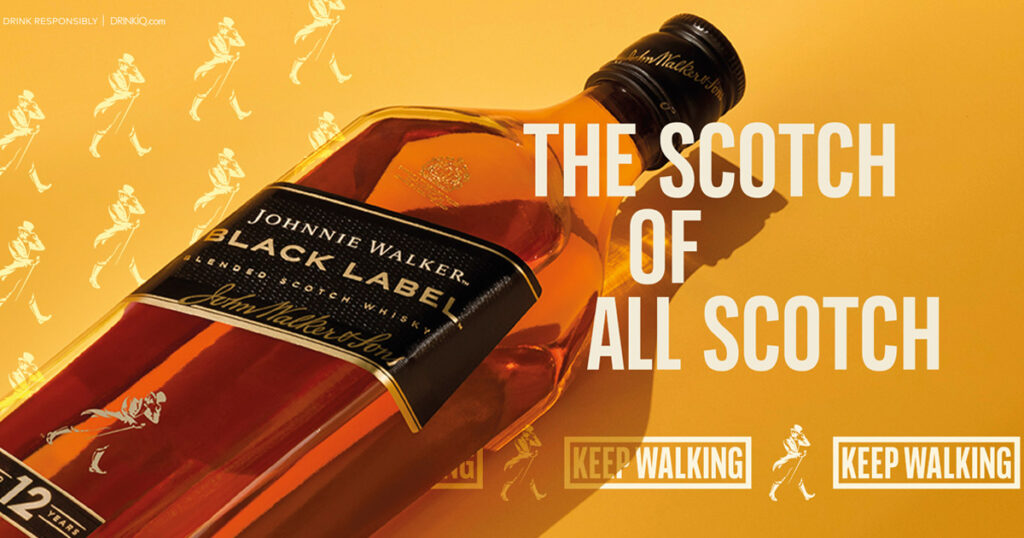
The Art of Perpetual Progress: How Johnnie Walker’s ‘Keep Walking’ Defines the Foundation for Enduring Brand Relevance You know the feeling, don’t you? That moment when you look at a successful idea and wonder how it manages to survive time’s cruel sweep. Most marketing campaigns have the shelf life of milk. They peak, they curdle, they disappear. Yet, here we stand, examining an idea that has acted as a brand’s central element for over twenty-five years. As a consultant immersed in strategy and brand development, I see the “Keep Walking” platform for what it truly is: a masterclass in strategic endurance. It is not just an advertising catchphrase. It is a fundamental “Walker mantra” that guides the brand’s entire global structure. It’s a philosophy that connects a product, Scotch whisky, to the most human of aspirations: the desire for forward motion, for constant improvement, for making today a little better than yesterday. This foundational idea is what allows Johnnie Walker, a brand with origins stretching back centuries, to maintain its commercial authority and deep cultural connection, even today. It represents a highly compelling case study for you and for any organization seeking to future-proof its relevance in a world that shifts faster than ever before. I. The Architecture of Endurance: A Strategic Pivot from Stagnation Imagine the situation in the late 1990s. Johnnie Walker was facing a very real business problem, a kind of existential slump. Whisky sales were declining, and the brand was viewed culturally as something your father might drink. It needed much more than a cosmetic update; it required a bold, strategic intervention to revitalize its market position and secure its future in the new millennium. If you’ve ever had to turn around a stagnant project or a declining revenue stream, you understand the pressure the brand’s leadership was under. The solution was not found in listing the product’s attributes, but in embracing a universal human drive: progress. The strategic shift moved the brand away from merely celebrating its history to embodying an inspirational ethos of forward momentum and personal ambition. This transformation allowed Johnnie Walker to become a global symbol of striving, rather than remaining simply a traditional beverage supplier. It was a profoundly smart move. The change wasn’t just spoken; it was visualized. The brand’s icon, the Striding Man, was literally given a new direction. He had been walking toward the left, which suggested looking back at the past. The agency flipped him. He was physically updated and repositioned to stride from left to right, explicitly symbolizing looking toward the future, ambition, and movement. The Keep Walking phrase became the verbal articulation of this graphic command. It established a theme of overcoming grand adversity and the challenges inherent in success. The very first commercial, ‘The Walk’ (1999), featured the actor Harvey Keitel, focusing not on his fame, but on the vulnerability and professional fear he had to move past. Global Brand Director Jennifer English noted that this approach was innovative precisely because it chose to show “challenges and imperfections rather than just a glossy fabulousness”. This honesty resonated immediately and massively with consumers. The core lesson here is clear: for any established brand, switching from a product-led approach to a purpose-led one provides the structural flexibility needed to weather economic shifts and appeal to different generations. The original investment was justified, not by short-term media attention, but by establishing this durable brand architecture capable of sustaining decades of commercial activity. II. The Commercial Power of Consistency: Numbers and Results You can have the most beautiful philosophy in the world, but if it doesn’t move the business forward, it’s just poetry. The “Keep Walking” campaign is famous because it delivered extraordinary commercial results, cementing its status as a gold standard in global marketing. The financial data confirms the success of that strategic shift back in 1999. Just consider these results: That’s what I mean by commercial endurance. It’s proof that a clear, aspirational message can translate directly into billions in commercial value. Diageo, the parent company, views marketing spend not as a cost to be cut, but as a core tool for brand-led growth, and the numbers validate this strategic perspective. The prior success of the platform created a high internal benchmark that every subsequent campaign must meet: the potential to achieve similar effectiveness and maximize the impact of the company’s multi-billion-pound annual marketing investment. III. The Strategic Elasticity: Changing the Context of Progress The true genius of “Keep Walking” is its strategic elasticity. It never stands still. The core idea is fixed “Movement forward”, but the definition of what that means changes with culture. This prevents the message from feeling stale. You have to be prepared to reinvent your external identity without altering your internal character, and that is a difficult balancing act. In the years before the most recent refresh, the platform shifted its focus to collective progress. This was a direct response to social changes, inspiring optimism and connection after global lockdowns, and celebrating groups breaking barriers. A fantastic local example of this was the award-winning ‘Errata at 88’ campaign in Brazil. Johnnie Walker sponsored Alaíde Costa, a founding mother of Bossa Nova who had been obscured by racism and sexism, to perform at Carnegie Hall. This action corrected a historic wrong, cementing her cultural importance for new generations. This highly impactful local initiative earned a prestigious Cannes Lions Grand Prix. The success of this initiative confirms that a unified global voice can still achieve profound, culturally relevant local impact. he fundamental discipline, as Global Brand Director Jennifer English noted, is adaptation; the skill is figuring out “how you keep that core truth relevant”. IV. The 2025 Reinvention: Progress Defined by You By 2025, the brand recognized that cultural behaviors had shifted again. They knew they needed a fresh perspective to speak directly to a new generation. They didn’t guess. They utilized deep, quantitative data, a concept I urge all my clients to embrace. The key strategic decision was driven by the

The Art of Perpetual Progress: How Johnnie Walker’s ‘Keep Walking’ Defines the Foundation for Enduring Brand Relevance Read More »

The $1.6 Billion Rabbit Hole: What Labubu’s ‘Ugly-Cute’ Marketing Genius Teaches Us About Virality and Value

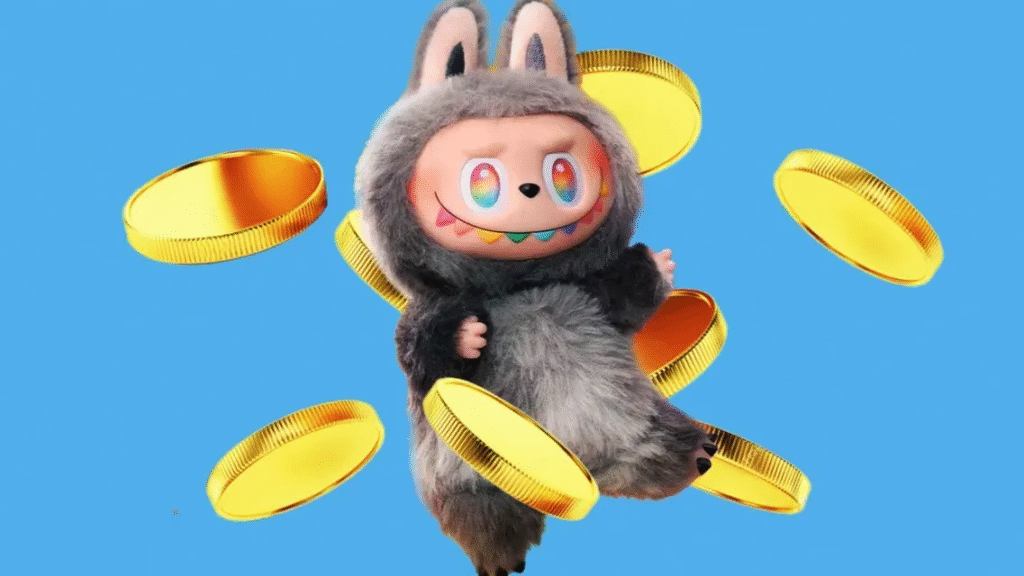
You look at your brand strategy every day, searching for that spark, the idea that moves your company from “doing well” to “changing the game.” You want that explosive growth, the kind that makes headlines and rewrites financial reports. I’ve been in marketing for 15 years. I’ve seen fleeting trends and I’ve seen sustained wealth creation. Right now, the best case study in the world for converting cultural momentum into cold, hard capital is a small, snaggle-toothed, monkey-like elf called Labubu. Labubu is a doll. It’s a collectible. It’s also the force that propelled its parent company, Pop Mart International, into the stratosphere, adding $1.6 billion to its CEO’s personal net worth in a single day. Forget the noise. This isn’t luck. This is a masterclass in modern psycho-economics, scarcity engineering, and viral amplification. This is how you manufacture obsession. If you want to understand how to turn a product into an asset, you need to dissect this phenomenon. Let’s look at the strategy that delivered that eye-watering number. Part I: The Strategy of Aesthetic Polarization Every successful cultural product starts with the identity. If your brand looks like everyone else’s, you’ve already lost the game. Labubu succeeded because it chose to be different, even a little strange. The Power of “Ugly-Cute” Labubu is the creation of artist Kasing Lung, who took inspiration from Nordic fairy tales and folklore when he started “The Monsters” series in 2015. Lung, a Hong Kong native who worked as a children’s book illustrator in Belgium , designed Labubu as a mischievous forest elf with a devilish grin and serrated teeth. It’s an aesthetic that critics call “ugly-cute.” This is important. You might assume your product needs to be universally pleasing, but that only guarantees mass indifference. Labubu’s quirkiness secured immediate market differentiation. It appealed directly to the Gen Z consumer who prioritizes authenticity over conventional beauty. The character is the result of what happens when a Cabbage Patch Kid meets a Tim Burton claymation figure. This aesthetic, whimsical, a little rough, and highly original, has global appeal. Labubu is the company’s bestselling IP globally. Contrast this with the company’s original, and still most popular, character in mainland China: Molly, a girl with emerald eyes and a distinct pout. This difference suggests that the quirky, internationally palatable design of Labubu offers a universality that accelerates global expansion faster than characters with a more localized feel. Targeting the “Kidult” Collector The true target audience here is not children. It’s the “kidult” market: young adults seeking nostalgia and self-expression through collecting. This segment is key. The consumption behavior associated with Labubu is highly social and self-expressive. Collecting these figures fulfills critical psychological needs for both group association and the construction of self-identity, including uniqueness, individuality, and autonomy. Part II: The Money Proof, Turning Hype into Capital The story of Labubu is backed by hard numbers. These metrics show how quickly a strategic marketing model can generate massive financial acceleration. The Scale of the Surge Pop Mart’s financial performance since the Labubu craze accelerated has been explosive. Look at these markers: The market saw this acceleration and responded instantly. Pop Mart’s stock exploded over 1200% , justifying the $1.6 billion increase in the CEO’s net worth. The Loyalty Metric That Matters You can’t build a billion-dollar brand on one-time sales. The true measure of Pop Mart’s strategic success is its customer retention. The company’s member repurchase rate stands at 49.4%. Furthermore, registered members contribute 92.7% of total sales. This level of loyalty confirms that the underlying psychological model works. The model is effective because it exists in an important macro-economic context: consumers facing economic downturns often switch from high-end traditional luxury items (like LV or Gucci) to “affordable luxury” products. Labubu figures are inexpensive in the primary market, but offer high psychological satisfaction and status display, positioning the art toy category as an economically resilient market offering. Part III: The Engine of Desire: Blind Boxes and Scarcity How do you get a customer to buy the same kind of product repeatedly? You don’t sell a toy. You sell a game. The Psycho-Economics of the Blind Box The blind box is the genius mechanism at the heart of this success. Customers buy a sealed package and don’t know which specific character figure they’re getting until they open it. This is uncertainty marketing. It taps directly into the psychology of anticipation and reward, turning every purchase into an exciting, lottery-like event. This uncertainty creates an extra layer of enjoyment and fuels repeat buying. Customers are driven to buy multiple boxes to complete a full set or, most compellingly, to find a rare “secret” hidden edition. Pop Mart strategically maximizes revenue per collector by offering single blind boxes (tapping the “just one more try” impulse) and six-packs (magnifying the fear of missing out on a complete set). This is why the company’s member repurchase rate is so high. Scarcity as a Marketing Weapon The blind box is just the trigger. Scarcity is the fuel. Pop Mart intentionally restricts product releases, utilizes geo-targeted product drops, and frequently retires specific characters or entire series. This strategic constraint is its greatest marketing weapon. The financial function of scarcity is two-fold: first, it increases the product’s perceived value because ownership implies exclusivity. Second, the impulse to compulsively purchase driven by the desire to hoard the rare items leads directly to an increase in short-term sales and profit. This engineered rarity creates what some call the “Anik-Anik” trend, a pattern of overconsumption driven by the desire to hoard and over-consume a product. While this can lead to negative outcomes like anxiety for some consumers, for the business, it results directly in an increase in sales. Pop Mart successfully redefined the role of inventory. By integrating restricted supply with digital platforms, the company transforms scarcity into the primary engine for viral demand generation and marketing. The secondary market is embraced, not shut down, because high resale prices increase the brand’s overall prestige and reinforce its scarcity-driven

The $1.6 Billion Rabbit Hole: What Labubu’s ‘Ugly-Cute’ Marketing Genius Teaches Us About Virality and Value Read More »