The Strategy Spotlight

Blog

Your blog category

Premiumization and Data-Driven Personalization Take Off: The Global Airline Marketing Landscape of 2026

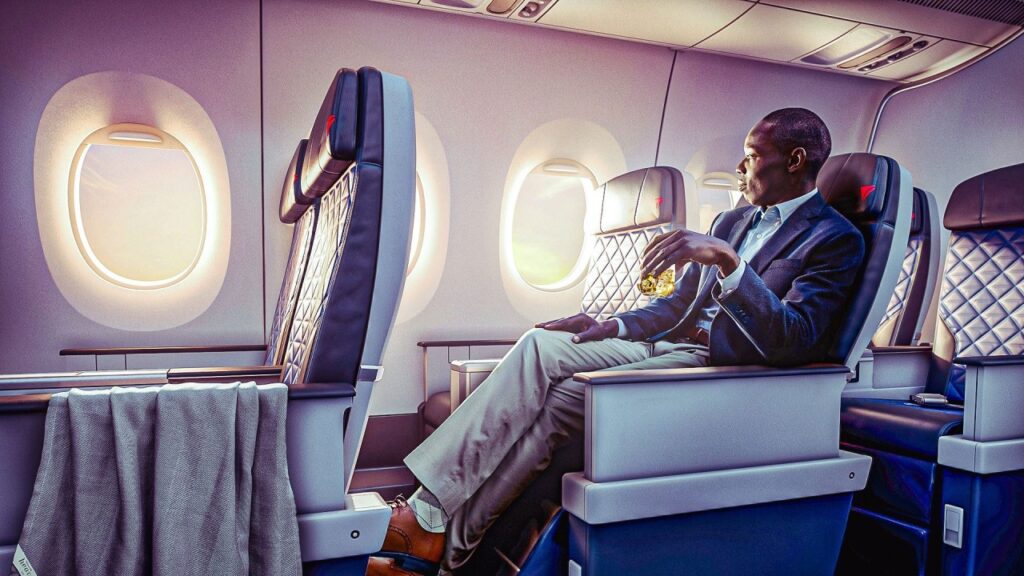
Premiumization and Data-Driven Personalization Take Off: The Global Airline Marketing Landscape of 2026 The Great Unbundling is Over. The Great Personalization has Begun. If you’ve spent any time on LinkedIn lately, you’ve seen the shift. The “race to the bottom” that defined the 2010s, where airlines competed solely on who could offer the cheapest, most plain experience, has hit a wall. In 2026, the industry is no longer recovering; it is maturing. We are witnessing a “K-shaped” recovery in real-time. On one side, airlines that failed to innovate are being swallowed by rising fuel costs and labor demands. On the other, the leaders, Delta, United, Emirates, and even a reinvented Spirit, are posting record-breaking margins. Why? Because they stopped selling “seats” and started selling “segments of one.” I. The Spirit Metamorphosis: From ULCC to “More Fly” The most fascinating case study of 2026 is undoubtedly Spirit Airlines. For years, Spirit was the punchline of late-night talk show jokes. They were the “yellow bus of the sky.” But the data showed a gap in the market: travelers wanted low prices, but they were tired of being treated like cargo. 1. The Four New Flavors of Travel Spirit’s “More Fly” platform is a masterclass in psychological pricing and premiumization for the masses. They didn’t just add a seat; they redefined their entire value proposition: Go Big: This is the “Big Front Seat” on steroids. It includes snacks, drinks, and a level of comfort that rivals legacy domestic first class, at a fraction of the cost. Go Comfy: This is the strategic winner. By guaranteeing a blocked middle seat, Spirit solved the #1 pain point of budget travel. It’s “European Business Class” logic applied to the US domestic market. Go Savvy & Go: These tiers keep the lights on for the ultra-budget traveler but remove the “gotcha” feeling by eliminating change and cancel fees across the board. 2. The Financial Logic Spirit isn’t doing this to be nice. They are doing it to capture high-yield leisure travelers. By realigning their network and streamlining these options, they’ve achieved $100 million in annual cost savings. They’ve moved the needle from “unbundled” to “curated,” proving that even a budget brand can command a premium if the value is clear. II. The Data Goldmine: United’s Kinective Media If Spirit is the king of physical premiumization, United Airlines is the king of digital monetization. In mid-2024, United launched Kinective Media, and by 2026, it has become a case study in how to turn a captive audience into a revenue stream. 1. The “Captive” Advantage The average flyer spends 3.5 hours staring at a seatback screen. United realized they weren’t just an airline; they were a media company. Using first-party loyalty data from 108 million MileagePlus members, they can now serve ads that are actually… useful. 2. Hyper-Personalization in Action Through Kinective Media, if United knows you are a high-net-worth traveler flying to London for a tech conference, you won’t see an ad for a generic soda. You’ll see a tailored offer from Chase for a premium credit card or a Macy’s ad featuring high-end luggage. This isn’t just advertising; it’s “Intelligent Commerce.” III. The Brand Halo: Delta’s “Restaurant in the Sky” Delta Air Lines has doubled down on the “Halo Effect.” They realized that premium travelers don’t just want a seat; they want to feel like they are in a high-end social club. Culinary Credibility: Partnerships with Chef José Andrés and Shake Shack create a “high-low” luxury mix that appeals to the modern traveler. Aesthetic Dominance: The introduction of Missoni-designed amenity kits and Taittinger Champagne in Delta One suites isn’t just about the product; it’s about the Instagrammable moments that drive organic reach. The Result: Delta consistently ranks in the top 15 of Fortune’s “Most Admired Companies.” They’ve turned a commodity service into a lifestyle brand. IV. The Infrastructure: Starlink and the “Always-On” Flyer Personalization is impossible without connectivity. The Lufthansa Group has set the 2026 standard by equipping its entire fleet of 850+ aircraft with Starlink. This isn’t just about Netflix. It’s about the Travel ID. By offering free high-speed Wi-Fi to anyone with a Travel ID, Lufthansa is funneling millions of passengers into their data ecosystem. Once you are logged in, the airline can track your preferences in real-time, offering you a lounge upgrade the moment your flight is delayed or a meal preference based on your previous three trips. V. The New Barriers: Trust, Safety, and the “Green” Tax As we pivot toward data-driven marketing, two massive hurdles have emerged in 2026: Cybersecurity and Sustainability. 1. Trust-Based Marketing With airlines collecting more personal data than ever, the threat landscape has exploded. Marketing teams are now “Security Storytellers.” They are winning by emphasizing Digital Safety as a brand pillar. If a traveler doesn’t trust your data handling, they won’t use your “personalized” app. 2. The End of “Vague Green” The UK’s DMCCA and EU regulations have officially ended the era of “vague” environmental claims. In 2026, if you say your flight is “green,” you better have the carbon receipts. Marketing has shifted to Transparent Reporting. Airlines like Air France-KLM are now using AI to show passengers exactly how much SAF (Sustainable Aviation Fuel) was used for their specific flight. VI. The LinkedIn Factor: The Human Face of Aviation In 2026, B2B airline marketing has moved away from corporate logos and toward Personal Brands. As a consultant, I’ve seen that the most successful campaigns of 2026 aren’t the ones with the biggest budgets, they are the ones where the leadership talks like a human. They share the struggles, the data “fails,” and the vision for a better sky. 6 Key Takeaways for the 2026 Strategy Conclusion: The Personal Touch in a Digital Sky The strategic pivot of 2026 is a paradox. We are using more data, more AI, and more high-speed tech than ever before, but the goal is to make travel feel more human. The airlines that are winning are the ones that use their
Premiumization and Data-Driven Personalization Take Off: The Global Airline Marketing Landscape of 2026 Read More »

Welcome to the era of the Heinz Dipper

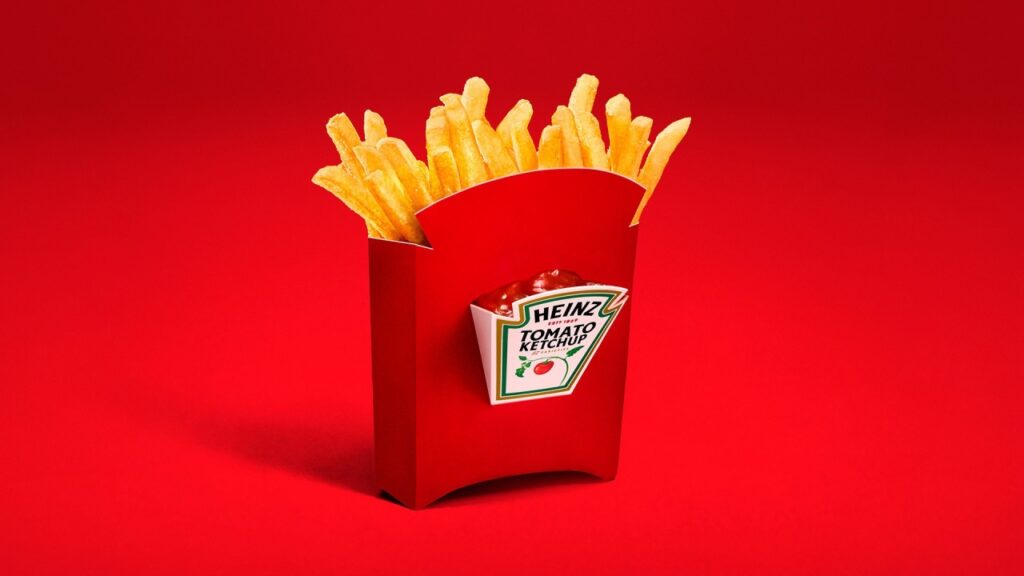
Welcome to the era of the Heinz Dipper When was the last time you tried to dip a French fry while driving? You’re one hand on the wheel, the other blindly reaching into a greasy brown bag. You find a fry. Great. Now, the boss level: the ketchup packet. You try to tear it with your teeth (don’t lie, we’ve all done it). It squirts on your jeans. You try to balance the open packet on the center console, but one sharp turn later, your car interior looks like a crime scene. It’s a mess. It’s frustrating. And according to Heinz, 80% of us have actually considered skipping the sauce entirely just to avoid the hassle. But Heinz, the brand that has spent 150 years making us wait for “slow” ketchup, isn’t about to let you eat a dry fry. Their latest move? They didn’t just change the sauce; they redesigned the entire French fry box. Welcome to the era of the Heinz Dipper. The Backstory: From “Looks Familiar” to Solving the Problem To understand why a cardboard box is making headlines in 2026, we have to look back at how Heinz has been “infiltrating” our brains lately. Last year, Heinz launched a campaign called “Looks Familiar.” They pointed out something so obvious we all missed it: the silhouette of a standard French fry box, the wide top tapering down to a narrow base, is almost identical to the Heinz Keystone logo. It was a brilliant piece of “passive” marketing. They essentially claimed every fry box in the world as a silent advertisement for Heinz. But while “Looks Familiar” was about brand recognition, the new Heinz Dipper campaign is about brand utility. Heinz realized that while we see their logo in the box, we can’t actually use the box to enjoy the product on the go. So, they decided to stop just talking about the shape and start making the shape work for us. The Innovation: A Patent-Pending Solution for the “70% Problem” The data behind this launch is surprisingly human. Heinz’s research found that 70% of people have spilled ketchup on themselves while eating in transit. The Heinz Dipper is a first-of-its-kind, patent-pending fry box. At first glance, it looks like your standard container, but it features a clever, fold-out “pouch” or compartment built directly into the side. In the U.S., they’ve strategically placed these in “high-intensity” eating zones: sports stadiums and late-night spots like Fat Sal’s in LA and Pat’s King of Steaks in Philly. They are meeting the consumer exactly where the mess is most likely to happen. Aligning with the “Irrational Love” Strategy For the past few years, under their global creative platform “It Has To Be Heinz,” the brand has stopped acting like a corporate giant and started acting like a fan. They’ve celebrated people who get Heinz tattoos. They’ve called out “Ketchup Fraud” (restaurants refilling Heinz bottles with cheap off-brands). They even partnered with Herschel to make ketchup-red luggage for people who pack their own sauce when they travel. The Heinz Dipper fits perfectly into this narrative. It says: “We know you love our ketchup so much that you’re willing to risk your car upholstery for it. We love you back, so we fixed the box.” By solving a functional problem (the mess), they are deepening an emotional connection. They aren’t selling you “thick, rich tomatoes” anymore; they are selling you a better Friday night drive-home. The Numbers: Why This Matters for the Bottom Line While the campaign feels fun and “humane,” the business logic is rock solid. The “Away From Home” Channel: Kraft Heinz reported roughly $26 billion in net sales in 2024. A huge growth lever for them is the “Away From Home” sector (restaurants and stadiums). By providing proprietary packaging, they make themselves indispensable to food service partners. 5 Key Takeaways for Marketers and Business Owners Before we wrap up, let’s look at what we can steal from the Heinz playbook for our own brands: Conclusion: The Power of the Pivot The Heinz Dipper is a masterclass in modern marketing. It shows that even a 150-year-old brand can stay relevant by being humble enough to realize their packaging was part of the problem. They didn’t just give us a new ad; they gave us a new way to eat. And in a world where we are all constantly on the move, that little cardboard pouch is more than just a design tweak, it’s a sign that Heinz is paying attention. So, next time you’re at a stadium or grabbing a late-night snack, look for the box with the extra pocket. Your jeans will thank you.

Welcome to the era of the Heinz Dipper Read More »

Stop Chasing Algorithms: Your 2026 Playbook to Win with AI Velocity, Data Control, and the Death of Page One

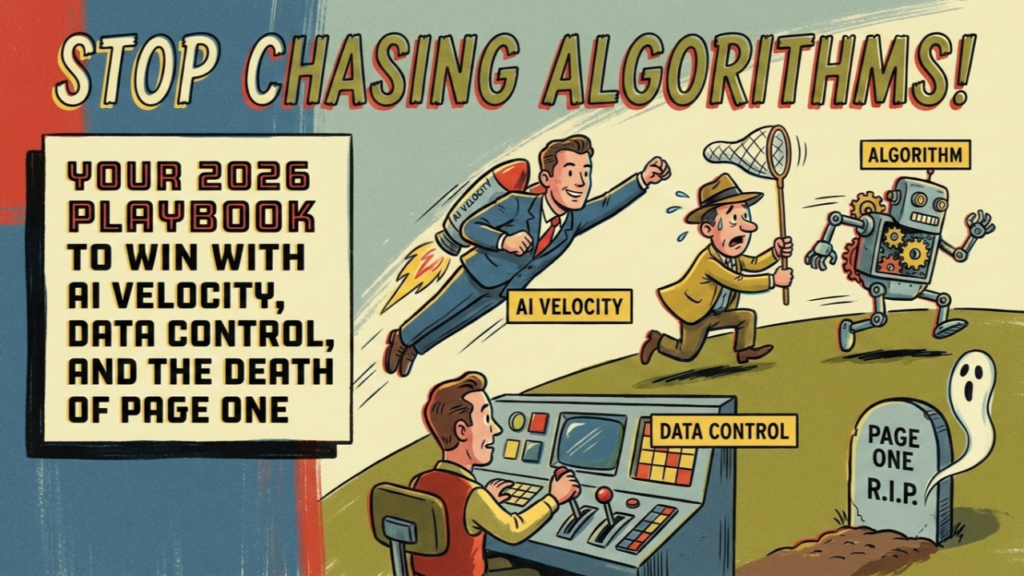
Stop Chasing Algorithms: Your 2026 Playbook to Win with AI Velocity, Data Control, and the Death of Page One Let’s be honest. If you’ve been in marketing for any length of time, you’ve heard the phrase, “This time, it’s different.” I’ve heard it, you’ve heard it. We heard it with the internet, then mobile, then cloud computing. They were all transformative, yes, but 2026 is bringing a change that is fundamentally, structurally, new. I’ve spent years guiding brands through digital transformations, and what I’m seeing now isn’t an upgrade. It’s a complete redesign. The old playbook, where you had time to get the technology right, optimize the process, and then scale, is dead. It has been replaced by a mandate for instant velocity, the existential challenge of Generative AI, and a core demand for data sovereignty. In short, if you’re still thinking about adding AI as a “tool,” you’ve already lost the game. Part I: The Compression of the S-Curve: Why Velocity Is Your New Strategy Do you remember how long it took for the internet to hit its stride, or for everyone to truly adopt mobile? Years. We had breathing room. Today, that breathing room is gone. This technological moment is defined by the compression of the S-curve. The distance between a technology’s emergence and its mainstream adoption is collapsing. If your organization is built for slow, sequential, incremental improvement, you simply cannot compete with competitors who are operating in continuous learning loops. This isn’t about having the best technology. That will soon be commoditized. The true competitive advantage has shifted entirely to what I call Organizational Metabolism. The gap between market leaders and organizational laggards is growing exponentially because innovation compounds. Every new AI capability makes the next one arrive faster. The primary mandate for marketing executives right now is an organizational design challenge, not a MarTech project. You need the managerial courage to redesign core processes, not just automate the existing, slow ones. Part II: The AI Imperative: From Tools to Agents The biggest headline for 2026 is the adoption of Agentic AI. Think beyond a chatbot writing an email. Agentic AI refers to systems capable of autonomously executing complex, multi-step tasks, they are the future of marketing workflow automation. The numbers are staggering, but they underscore the urgency: The global market for agentic AI is predicted to reach $45 billion by 2030. This isn’t theoretical; it’s an infrastructure investment. The Hidden Cost of Inference Here is a number most CMOs aren’t budgeting for yet: $200 billion. That’s the projected value of the dedicated AI chip market in data centers. Why does this matter to a marketer? The running of AI models, what we call inference, is forecast to account for two-thirds of all AI compute demands by 2026. The most specialized and powerful AI models require immense, centralized computational power. This means that while basic AI agents will be free or cheap, access to the high-performance, proprietary models you’ll need to beat the competition will be costly and centralized. Your Action Item: You must budget not just for software licensing, but for the high-capacity cloud compute resources required to fine-tune and run proprietary models at scale. Recognizing and budgeting for this hidden cost of inference is a non-negotiable part of high-performance AI deployment. Part III: The Visibility Crisis and the Rise of GEO I talk to marketers every day who are still obsessed with ‘ranking on page one.’ I have to break the news: Page One is dead. Consumer behavior is shifting from simple fact-finding to dynamic exploration. As users pivot from the traditional Search Engine Results Page (SERP) to the synthesized responses provided by AI Overviews, Copilot, and chatbots, the strategic objective has changed completely. Inside the Answer is the New Front Page The new mandate is to show up inside the answer synthesized by the generative engine. For brands, getting cited by the AI is the new measure of share-of-voice. If the AI fails to mention or quote your content, you are functionally invisible, you’re on the unvisited back page of the internet. This is why we must now focus on Generative Engine Optimization (GEO). GEO is the strategic practice of optimizing content specifically for consumption and utility by AI-powered search engines and chatbots. It shifts the focus away from tactical keyword-stuffing and toward creating content the AI can trust, understand, and use when synthesizing accurate answers. The GEO Playbook: Optimizing for Synthesis I have observed the citation patterns of major AI platforms. Here’s what I’ve learned, and what must guide your GEO strategy: Case in Point: Real Results with Targeted GEO We are already seeing the power of this shift. One Fintech company, through targeted optimization and data-driven insights, the essence of GEO, increased its signups by a whopping 227.9% in just six months. This isn’t magic; it’s engineering content to be cited by the AI. This is why your SEO team must stop reacting to algorithm updates and start anticipating user intent, moving toward predictive content ecosystems. AI can now analyze user journeys and recommend collections of related topics that establish true domain authority. You are no longer playing catch-up; you are positioning your brand as the thought leader who anticipates the future. Part IV: Data Sovereignty, First-Party Fuel and Clean Rooms The post-cookie world is here, and it’s the best thing that ever happened to performance marketers. Why? Because the reliance on shaky, temporary third-party data is over. Data ownership is now foundational to the marketing stack. High-quality, consented first-party data is the necessary signaling mechanism that feeds the sophisticated AI models required for sustained growth. The strategy must pivot entirely to developing behavioral cohorts founded on owned assets: loyalty sign-ups, interactive quizzes, strategically gated content. The Privacy Safe Haven: Data Clean Rooms As first-party data becomes your strategic asset, the challenge becomes: How do you collaborate and measure securely with partners without compromising customer privacy? The answer is the Data Clean Room (DCR). DCRs (like those provided by AWS

Stop Chasing Algorithms: Your 2026 Playbook to Win with AI Velocity, Data Control, and the Death of Page One Read More »

How to Use Premiumisation to Drive Explosive Growth and Build Indestructible Brands

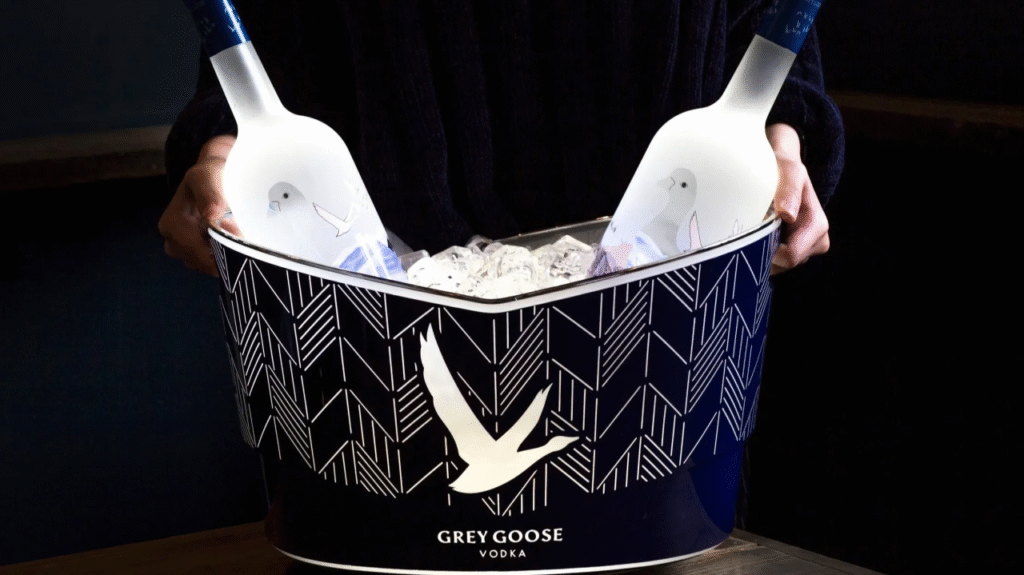
How to Use Premiumisation to Drive Explosive Growth and Build Indestructible Brands Welcome back to the cutting edge of modern business strategy. As a marketing consultant, I’ve spent years studying the pulse of consumer behavior. The biggest lesson? People don’t buy products; they buy better versions of themselves. That is the entire, profitable philosophy behind premiumisation. We are moving past the archaic notion that growth simply means squeezing more volume onto the market. That’s exhausting, margin-killing work. The sophisticated game today is about elevating every element of your offering: the packaging, the story, the experience, to justify a price that makes your competition weep. This isn’t just about survival in a tough economy; it’s about establishing dominance. Premiumisation is the strategy that turns everyday buys into must-have rituals, granting brands fierce loyalty and fatter margins. Let’s delve deep into the strategy that is rewriting the rules of brand success. The Whisper of Luxury: Defining the Premiumisation Playbook Think about your daily choices. Why do you choose that specific, slightly pricier artisanal sourdough over the mass-produced white loaf? Why that specific craft beer instead of the ubiquitous big-name lager? This decision isn’t purely rational; it’s emotional. It’s a vote for something “better”. Premiumisation is the deliberate, strategic process of raising the perceived value of a product or service enough to charge a significantly higher price, without alienating your core customer base. It works by masterfully deploying two critical levers: Marketers are using this precisely to defend and grow their profit margins. When ingredient costs surge, a premium product can absorb that inflation without having to shrink the package or dilute the quality, thereby protecting both the balance sheet and the brand promise. The Genesis: Economic Paradox and The Roots of the Trend Why did this strategy explode in the face of austerity? It’s the Economic Paradox of the modern consumer. The “Trade Down, Trade Up” Phenomenon In the wake of major economic shocks, from the 2008 financial crisis to the recent inflation surge, consumer spending fractured. People became incredibly selective: Brands that recognized this shift, that consumers were trading volume for value, became unstoppable. They realized that chasing market share volume was a low-margin trap. Chasing value and loyalty was the high-margin highway. The Hard Numbers Behind the Shift The evidence isn’t anecdotal; it’s financial bedrock: Real-World Wins: Case Studies in Value Elevation To truly understand this, we need to look at brands that perfectly engineered the emotional and physical upgrade. Diageo: The Johnnie Walker Ladder Diageo is the master architect of the tiered portfolio. They don’t just sell one Scotch; they sell an ascending journey. Their goal is not just the first sale, but the fifth, tenth, and twentieth sale at increasingly higher price points. The success here is quantified by the staggering 71% of their organic net sales growth coming from their ‘super-premium’ and ‘premium-plus’ segments. They prove you can maintain a high-volume base while extracting exponential value from your most loyal customers. Starbucks: Turning Coffee into a Customized Ritual Starbucks’ genius wasn’t just the quality of the bean, but the quality of the experience. They offer a comfortable environment, personalized service, and a digital loyalty loop (the app) that makes you feel recognized and rewarded. Their strategy leverages the customization premium, the willingness to pay more because you designed the product yourself. This experience-led model ensures customers remain dedicated, even as fierce, cheaper competition tries to chip away at their market. Grey Goose: The Packaging Premium Grey Goose vodka is a masterclass in symbolic value. Before it became popular, the vodka market was often utilitarian. Grey Goose arrived with its tall, frosted, sleek bottle. It was marketed not just as a spirit, but as a lifestyle symbol, the official vodka of the high-end nightclub and the discerning consumer. The packaging and the French heritage story alone justified a price point far exceeding its competitors, demonstrating that design and narrative can elevate value just as much as an ingredient upgrade. The Marketer’s Toolkit: Five Levers for Engineering Value How do we actually build this premium experience? It involves strategic investment in every touchpoint. 1. Quality & Craftsmanship: The Non-Negotiable Core The product must deliver. KIND Snacks succeeded by visually displaying ingredients, leaning into the health and transparency premium. Australian food brands, like Primo, introduced gourmet sausages in striking black packaging with high-end recipes, effectively bringing the butcher-shop experience into the supermarket aisle. This is a subtle but powerful quality boost. 2. Design and Packaging Pop: The Silent Promise Packaging is the first, and often most important, piece of advertising. It needs to convey luxury cues—weight, texture, and visual simplicity. The packaging market associated with high-end goods is surging because it creates shelf standout and primes the consumer’s mind for a superior experience. 3. Exclusivity Hooks: The Scarcity Sensation Exclusivity is a powerful psychological trigger. Limited editions, time-bound “drops,” and restricted access (like an exclusive loyalty tier or a boutique retail location) make the product feel like a status symbol. This strategy increases hype and allows brands to demand significant premiums, often seeing secondary markets emerge where products are resold for hundreds more. 4. Story Magic: Heritage, Purpose, and Mythos Consumers are hungry for meaning. Brands like Bulleit bourbon or Ghirardelli leverage authentic heritage. But purpose also builds mythos: The rise of eco-luxury and sustainable brands demonstrates that consumers will pay a premium to align their purchases with their values. Sustainability is now a premium feature. 5. Retail Context and Cross-Selling: Controlling the Narrative The context in which a product is presented defines its value. Selling premium goods through curated boutiques or specialized retail channels (like San Pellegrino dominating fine dining) reinforces the high-end positioning. Furthermore, cross-selling, pairing a premium spirit with an artisanal mixer, elevates the total basket size and the overall luxury impression. Strategic Watchouts: Avoiding the Pitfalls The line between successful premiumisation and consumer alienation is thin. Seven Key Takeaways I’ve Learned the Hard Way After years of running these playbooks, here are the seven most

How to Use Premiumisation to Drive Explosive Growth and Build Indestructible Brands Read More »

Columbia “Expedition Impossible”: How the CEO Challenged Flat Earthers to Put Your Map Where Your Mouth Is

Columbia “Expedition Impossible”: How the CEO Challenged Flat Earthers to Put Your Map Where Your Mouth Is The Problem: When Every Outdoor Brand Looks Exactly the Same Have you noticed how all outdoor gear ads used to look exactly alike? Think about it: a perfectly-fit model, a flawless mountain, and a sunset that looks like it was painted by a computer. For years, the outdoor industry was stuck in this rut. what we call the “sea of sameness”. Everyone was selling the same perfect dream. When every company uses the same beautiful but boring script, no one really stands out, and your brand message gets lost. Columbia Sportswear realized this was a major problem, a slow-moving crisis that was making them forgettable. They knew they couldn’t just keep showing pictures of happy hikers. They needed a massive, bold change to cut through all that noise. They needed something real, something unexpected, and something funny. This need for a bold pivot led to their huge brand relaunch, the “Engineered for Whatever” platform. It was a promise to forget the perfect mountains and show the messy, crazy reality of being outside: snakes, freezing storms, and unexpected trouble. By choosing to show chaos and dark humor, Columbia instantly became the brand that wasn’t afraid to be different. It was a smart way to turn a simple product ad into something everyone would talk about. The Toughest Mother’s Legacy: Tim Boyle Steps Up A campaign this wild doesn’t happen by accident. It takes guts, especially from the person at the very top. That person is Tim Boyle, the CEO and Chairman of Columbia Sportswear. Tim’s whole philosophy is shaped by his mother, Gert Boyle, the famous “One Tough Mother”. Back in the 80s and 90s, her marketing was famous for being cheeky and completely fearless. This new campaign, and the Flat Earth challenge specifically, was a way to bring back that legendary, irreverent spirit. Tim Boyle himself said the goal was to “get us back to the historical irreverent way… not taking ourselves too seriously”. The real key to the campaign’s success was that Tim Boyle didn’t just approve it; he starred in it. He became the face of the joke, appearing in the deadpan videos and, most importantly, signing the full-page open letter in The New York Times. When the CEO of a company making around $3.3 billion a year personally backs a risky, edgy campaign, it sends a clear message: This brand is confident, and the humor is totally genuine. It transforms a marketing stunt into a matter of corporate confidence. “Expedition Impossible”: The Ultimate Dare The absolute highlight of this new approach was “Expedition Impossible,” a genius, tongue-in-cheek challenge aimed directly at Flat Earth believers. It was the perfect target: controversial, constantly debated online, and deeply funny. Columbia used this topic brilliantly. They stood for reality and science, proving their gear works in a real, spherical, and challenging world. At the same time, they created massive buzz by poking fun at modern conspiracy theories. The challenge was made official in a large ad in The New York Times. The letter, signed by Mr. Boyle, was a direct, hilarious call-out: “This is a message to Flat Earthers,” it began, “it’s time to put your map where your mouth is”. The task? Simple: go out, find the physical end of the Earth, and take a picture of it. This polarizing subject guaranteed instant, high-volume conversation. Columbia’s digital team didn’t wait around, either. They actively jumped into the fight, choosing to “dip into Reddit communities and YouTube comments to poke fun at conspiracy theorists”. This aggressive, fun engagement made the campaign wildly shareable, especially with younger audiences like Gen Z, who love smart, self-aware humor. The Ridiculous Details and the Fine Print What made “Expedition Impossible” such a masterpiece was the level of absurd detail in the rules. They didn’t just say “find the edge.” They defined exactly what that edge must look like: “A sheer drop, abyssal void, clouds cascading into infinity”. This precise, over-the-top language was a huge part of the fun. They also made sure to disqualify all the predictable, silly answers. Winning evidence could not be: “a clifftop in Seattle, a Kansas cul-de-sac or ‘your buddy Dave legally changing his name to The Edge’”. The attention to silly details made the brand seem incredibly smart and self-aware. And the prize? It was nothing short of a corporate takeover! Boyle offered the winner “all of it. The mannequins, coffee machines, snowshoes, toboggans, office plants, even the taxidermy beaver”. Yes, the taxidermy beaver. Of course, the lawyers had to be involved. The fine print clarified that the prize was ownership of “The Company, LLC,” legally valued at $100,000. This was pure genius: maximum perceived promise (handing over the keys to a global giant) with minimal actual financial risk, all while maintaining the joke. The Results: The Proof is in the Numbers The creative risk that Columbia took paid off in a massive way. The campaign generated value that far exceeded what they spent on traditional advertising. It’s a powerful lesson that cultural relevance is more effective than just buying audience attention. The numbers were staggering and showed just how much noise the brand was making: Beyond the instant viral success, the campaign achieved Columbia’s main strategic goal: getting people “talking about Columbia again in the U.S.”. The increase in consumer engagement and organic brand searches proved that the funny idea translated directly into real business interest. 8 Key Takeaways I Learned from This Impossible Expedition As a consultant, I look at campaigns like this not just as entertainment, but as a blueprint for success in a crowded market. Here are the 8 most important, personal lessons I took away from Columbia’s brilliant move: Conclusion: Engineering for Whatever Comes Next “Expedition Impossible” wasn’t just a successful marketing campaign; it was a masterclass in brand revitalization. It showed that in today’s noisy world, you can’t afford to be beige. You have to stand

Columbia “Expedition Impossible”: How the CEO Challenged Flat Earthers to Put Your Map Where Your Mouth Is Read More »

How McDonalds Let the Grinch Steal its Christmas

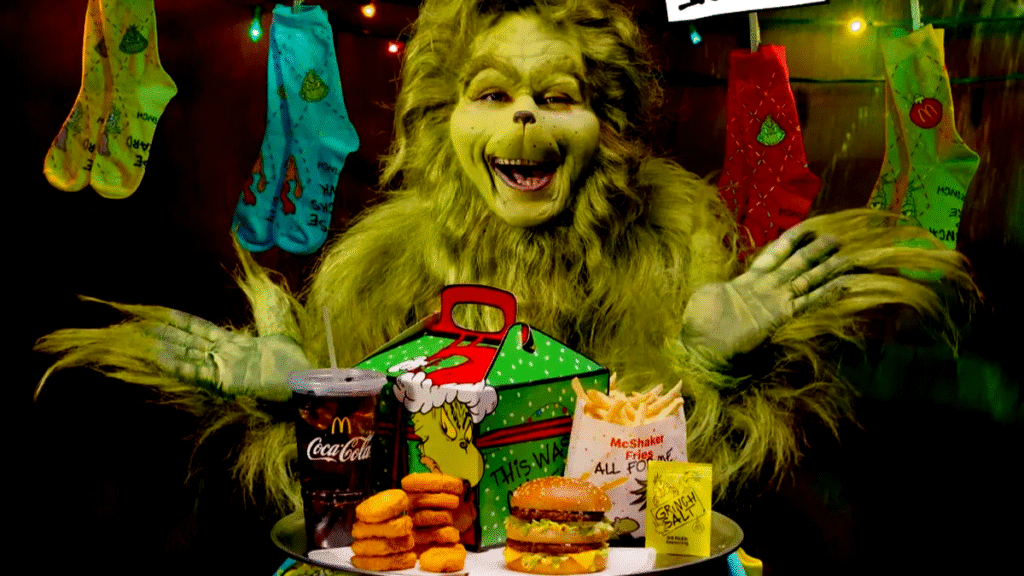
How McDonalds Let the Grinch Steal its Christmas Every holiday season, fast-food places try to win us over with sappy ads and big discounts. But in 2025, one brand decided to rip up the playbook. They didn’t just join the holidays; they let the Grinch, a 68-year-old green trouble-maker, take over the whole company. The result? It wasn’t just a hit; it was a masterclass in modern brand strategy. The McDonald’s x The Grinch campaign was a perfectly executed strategy that used nostalgia, humor, merchandise, and smart operations to achieve a significant cultural and sales win. This campaign proved that the Quick Service Restaurant (QSR) industry’s future isn’t about the lowest price, it’s about the richest emotional connection. This is the story of how McDonald’s handed the keys to the kingdom to the Grinch and secured the holiday crown. The Strategic Context: Why McDonald’s Needed the Grinch To understand the genius of The Grinch Meal, you first need to appreciate the strategic pressures McDonald’s faced in late 2025. This collaboration was born out of necessity to solve a critical problem plaguing the entire QSR sector. The Ghost of Grimace and the QSR Dilemma The Grinch Meal was a calculated follow-up to the viral success of the McDonaldland Adult Happy Meal, which launched in August 2025. The Grinch strategically capitalized on that proven momentum, cementing the Adult Happy Meal format as a reliable, recurring cultural event. The need for such disruptive, IP-driven campaigns became urgent due to a persistent industry paradox: The Uncomfortable Reality of the 2025 Consumer The campaign’s timing was perfectly calibrated to prevailing economic and emotional anxieties. Deconstructing The Grinch Meal: Operational Genius Meets Merch Mania The genius of the Grinch campaign is found in the elegance of its execution. It combined high cultural buzz with low operational risk. The Product Formula: High Buzz, Low Operational Risk The Grinch Meal was deliberately built on existing, high-volume products. The Dill Pickle Revelation: Multilayered Nostalgia The sole menu innovation was the Dill Pickle “Grinch Salt” McShaker Fries. The Sock Strategy: Merchandise as a Margin Driver Each Grinch Meal came with a pair of fuzzy, limited-edition Grinch socks. The Psychology of Chaos: Why Grinch Humor Was the Perfect IP Match The collaboration was a resounding success because McDonald’s borrowed the Grinch’s entire disruptive personality. Ceding Control: The Masterclass in Anti-Sentimentality The entire campaign was framed as the Grinch literally “taking over” McDonald’s. The brand, in collaboration with Leo UK, launched “McDonald’s Christmas Grinched,” positioning the Grinch as the mischievous saboteur of the festive season. The Humor and Humanization Factor The Grinch’s appeal lies in his relatability during times of high stress. Execution: The Full-Funnel, Integrated System The Grinch campaign was a full-funnel, integrated system that ensured the Grinch was inescapable across every relevant media channel. System, Not Spot: Pervasive Placement Strategy The campaign utilized a clear phased approach. The Gaming Program: Meeting the Audience Natively The most forward-thinking element was McDonald’s first holistic gaming program. This directly addressed the key young adult demographic that lives natively on platforms like Twitch. Results and Key Takeaways The McDonald’s x The Grinch 2025 collaboration provided strong validation for the IP-driven, nostalgia-focused strategy. Five Key Takeaways I Learned From the Grinch’s Chaos This campaign laid bare five undeniable lessons for achieving scalable marketing success in the modern era: Conclusion: The Future of Brand Partnerships The McDonald’s x The Grinch 2025 campaign will undoubtedly serve as the industry blueprint for winning the holiday season without defaulting to desperate, margin-killing price wars. By deploying potent nostalgia as a psychological comfort mechanism, leveraging self-aware and disruptive humor, and strategically building a robust, multi-channel media ecosystem, McDonald’s successfully transformed its most standard menu offerings into a highly coveted, scarce, limited-time cultural event. The campaign proved that disruption, emotional connection, and operational intelligence are the only true drivers of scalable QSR success. The Grinch didn’t just stage a takeover; he offered the entire quick-service industry a highly profitable lesson in cultural relevance.

How McDonalds Let the Grinch Steal its Christmas Read More »

The Art of Perpetual Progress: How Johnnie Walker’s ‘Keep Walking’ Defines the Foundation for Enduring Brand Relevance

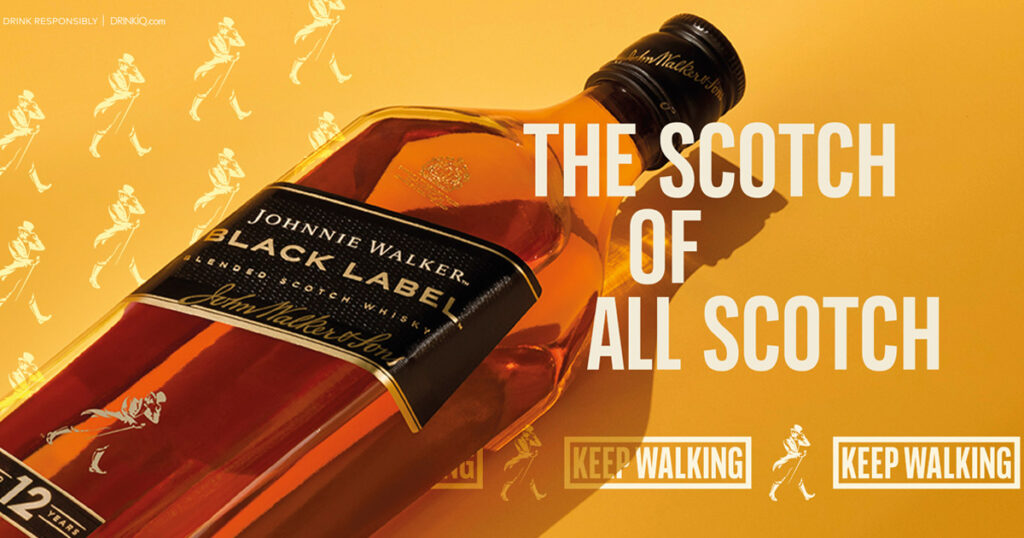
The Art of Perpetual Progress: How Johnnie Walker’s ‘Keep Walking’ Defines the Foundation for Enduring Brand Relevance You know the feeling, don’t you? That moment when you look at a successful idea and wonder how it manages to survive time’s cruel sweep. Most marketing campaigns have the shelf life of milk. They peak, they curdle, they disappear. Yet, here we stand, examining an idea that has acted as a brand’s central element for over twenty-five years. As a consultant immersed in strategy and brand development, I see the “Keep Walking” platform for what it truly is: a masterclass in strategic endurance. It is not just an advertising catchphrase. It is a fundamental “Walker mantra” that guides the brand’s entire global structure. It’s a philosophy that connects a product, Scotch whisky, to the most human of aspirations: the desire for forward motion, for constant improvement, for making today a little better than yesterday. This foundational idea is what allows Johnnie Walker, a brand with origins stretching back centuries, to maintain its commercial authority and deep cultural connection, even today. It represents a highly compelling case study for you and for any organization seeking to future-proof its relevance in a world that shifts faster than ever before. I. The Architecture of Endurance: A Strategic Pivot from Stagnation Imagine the situation in the late 1990s. Johnnie Walker was facing a very real business problem, a kind of existential slump. Whisky sales were declining, and the brand was viewed culturally as something your father might drink. It needed much more than a cosmetic update; it required a bold, strategic intervention to revitalize its market position and secure its future in the new millennium. If you’ve ever had to turn around a stagnant project or a declining revenue stream, you understand the pressure the brand’s leadership was under. The solution was not found in listing the product’s attributes, but in embracing a universal human drive: progress. The strategic shift moved the brand away from merely celebrating its history to embodying an inspirational ethos of forward momentum and personal ambition. This transformation allowed Johnnie Walker to become a global symbol of striving, rather than remaining simply a traditional beverage supplier. It was a profoundly smart move. The change wasn’t just spoken; it was visualized. The brand’s icon, the Striding Man, was literally given a new direction. He had been walking toward the left, which suggested looking back at the past. The agency flipped him. He was physically updated and repositioned to stride from left to right, explicitly symbolizing looking toward the future, ambition, and movement. The Keep Walking phrase became the verbal articulation of this graphic command. It established a theme of overcoming grand adversity and the challenges inherent in success. The very first commercial, ‘The Walk’ (1999), featured the actor Harvey Keitel, focusing not on his fame, but on the vulnerability and professional fear he had to move past. Global Brand Director Jennifer English noted that this approach was innovative precisely because it chose to show “challenges and imperfections rather than just a glossy fabulousness”. This honesty resonated immediately and massively with consumers. The core lesson here is clear: for any established brand, switching from a product-led approach to a purpose-led one provides the structural flexibility needed to weather economic shifts and appeal to different generations. The original investment was justified, not by short-term media attention, but by establishing this durable brand architecture capable of sustaining decades of commercial activity. II. The Commercial Power of Consistency: Numbers and Results You can have the most beautiful philosophy in the world, but if it doesn’t move the business forward, it’s just poetry. The “Keep Walking” campaign is famous because it delivered extraordinary commercial results, cementing its status as a gold standard in global marketing. The financial data confirms the success of that strategic shift back in 1999. Just consider these results: That’s what I mean by commercial endurance. It’s proof that a clear, aspirational message can translate directly into billions in commercial value. Diageo, the parent company, views marketing spend not as a cost to be cut, but as a core tool for brand-led growth, and the numbers validate this strategic perspective. The prior success of the platform created a high internal benchmark that every subsequent campaign must meet: the potential to achieve similar effectiveness and maximize the impact of the company’s multi-billion-pound annual marketing investment. III. The Strategic Elasticity: Changing the Context of Progress The true genius of “Keep Walking” is its strategic elasticity. It never stands still. The core idea is fixed “Movement forward”, but the definition of what that means changes with culture. This prevents the message from feeling stale. You have to be prepared to reinvent your external identity without altering your internal character, and that is a difficult balancing act. In the years before the most recent refresh, the platform shifted its focus to collective progress. This was a direct response to social changes, inspiring optimism and connection after global lockdowns, and celebrating groups breaking barriers. A fantastic local example of this was the award-winning ‘Errata at 88’ campaign in Brazil. Johnnie Walker sponsored Alaíde Costa, a founding mother of Bossa Nova who had been obscured by racism and sexism, to perform at Carnegie Hall. This action corrected a historic wrong, cementing her cultural importance for new generations. This highly impactful local initiative earned a prestigious Cannes Lions Grand Prix. The success of this initiative confirms that a unified global voice can still achieve profound, culturally relevant local impact. he fundamental discipline, as Global Brand Director Jennifer English noted, is adaptation; the skill is figuring out “how you keep that core truth relevant”. IV. The 2025 Reinvention: Progress Defined by You By 2025, the brand recognized that cultural behaviors had shifted again. They knew they needed a fresh perspective to speak directly to a new generation. They didn’t guess. They utilized deep, quantitative data, a concept I urge all my clients to embrace. The key strategic decision was driven by the

The Art of Perpetual Progress: How Johnnie Walker’s ‘Keep Walking’ Defines the Foundation for Enduring Brand Relevance Read More »

The $1.6 Billion Rabbit Hole: What Labubu’s ‘Ugly-Cute’ Marketing Genius Teaches Us About Virality and Value

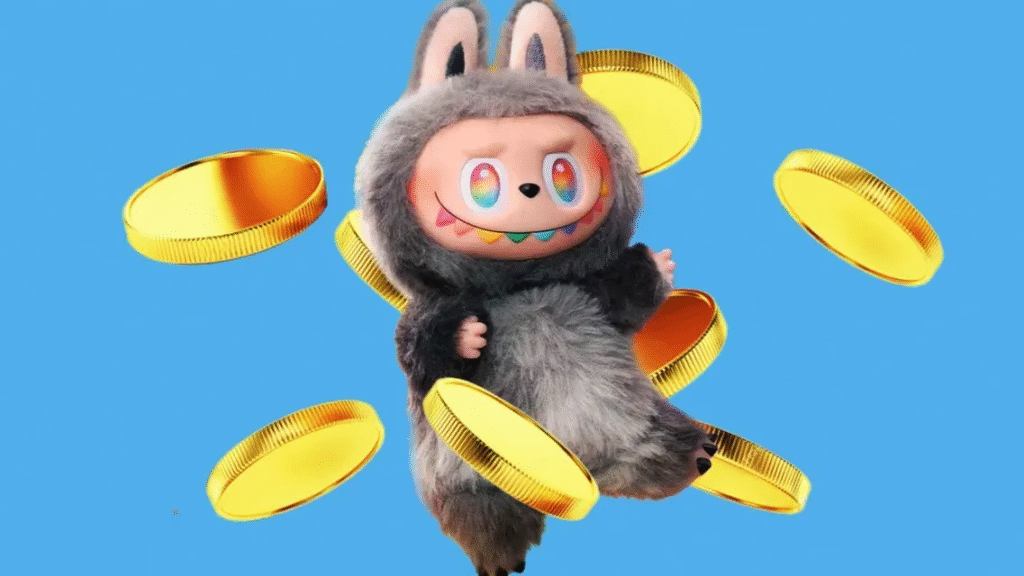
You look at your brand strategy every day, searching for that spark, the idea that moves your company from “doing well” to “changing the game.” You want that explosive growth, the kind that makes headlines and rewrites financial reports. I’ve been in marketing for 15 years. I’ve seen fleeting trends and I’ve seen sustained wealth creation. Right now, the best case study in the world for converting cultural momentum into cold, hard capital is a small, snaggle-toothed, monkey-like elf called Labubu. Labubu is a doll. It’s a collectible. It’s also the force that propelled its parent company, Pop Mart International, into the stratosphere, adding $1.6 billion to its CEO’s personal net worth in a single day. Forget the noise. This isn’t luck. This is a masterclass in modern psycho-economics, scarcity engineering, and viral amplification. This is how you manufacture obsession. If you want to understand how to turn a product into an asset, you need to dissect this phenomenon. Let’s look at the strategy that delivered that eye-watering number. Part I: The Strategy of Aesthetic Polarization Every successful cultural product starts with the identity. If your brand looks like everyone else’s, you’ve already lost the game. Labubu succeeded because it chose to be different, even a little strange. The Power of “Ugly-Cute” Labubu is the creation of artist Kasing Lung, who took inspiration from Nordic fairy tales and folklore when he started “The Monsters” series in 2015. Lung, a Hong Kong native who worked as a children’s book illustrator in Belgium , designed Labubu as a mischievous forest elf with a devilish grin and serrated teeth. It’s an aesthetic that critics call “ugly-cute.” This is important. You might assume your product needs to be universally pleasing, but that only guarantees mass indifference. Labubu’s quirkiness secured immediate market differentiation. It appealed directly to the Gen Z consumer who prioritizes authenticity over conventional beauty. The character is the result of what happens when a Cabbage Patch Kid meets a Tim Burton claymation figure. This aesthetic, whimsical, a little rough, and highly original, has global appeal. Labubu is the company’s bestselling IP globally. Contrast this with the company’s original, and still most popular, character in mainland China: Molly, a girl with emerald eyes and a distinct pout. This difference suggests that the quirky, internationally palatable design of Labubu offers a universality that accelerates global expansion faster than characters with a more localized feel. Targeting the “Kidult” Collector The true target audience here is not children. It’s the “kidult” market: young adults seeking nostalgia and self-expression through collecting. This segment is key. The consumption behavior associated with Labubu is highly social and self-expressive. Collecting these figures fulfills critical psychological needs for both group association and the construction of self-identity, including uniqueness, individuality, and autonomy. Part II: The Money Proof, Turning Hype into Capital The story of Labubu is backed by hard numbers. These metrics show how quickly a strategic marketing model can generate massive financial acceleration. The Scale of the Surge Pop Mart’s financial performance since the Labubu craze accelerated has been explosive. Look at these markers: The market saw this acceleration and responded instantly. Pop Mart’s stock exploded over 1200% , justifying the $1.6 billion increase in the CEO’s net worth. The Loyalty Metric That Matters You can’t build a billion-dollar brand on one-time sales. The true measure of Pop Mart’s strategic success is its customer retention. The company’s member repurchase rate stands at 49.4%. Furthermore, registered members contribute 92.7% of total sales. This level of loyalty confirms that the underlying psychological model works. The model is effective because it exists in an important macro-economic context: consumers facing economic downturns often switch from high-end traditional luxury items (like LV or Gucci) to “affordable luxury” products. Labubu figures are inexpensive in the primary market, but offer high psychological satisfaction and status display, positioning the art toy category as an economically resilient market offering. Part III: The Engine of Desire: Blind Boxes and Scarcity How do you get a customer to buy the same kind of product repeatedly? You don’t sell a toy. You sell a game. The Psycho-Economics of the Blind Box The blind box is the genius mechanism at the heart of this success. Customers buy a sealed package and don’t know which specific character figure they’re getting until they open it. This is uncertainty marketing. It taps directly into the psychology of anticipation and reward, turning every purchase into an exciting, lottery-like event. This uncertainty creates an extra layer of enjoyment and fuels repeat buying. Customers are driven to buy multiple boxes to complete a full set or, most compellingly, to find a rare “secret” hidden edition. Pop Mart strategically maximizes revenue per collector by offering single blind boxes (tapping the “just one more try” impulse) and six-packs (magnifying the fear of missing out on a complete set). This is why the company’s member repurchase rate is so high. Scarcity as a Marketing Weapon The blind box is just the trigger. Scarcity is the fuel. Pop Mart intentionally restricts product releases, utilizes geo-targeted product drops, and frequently retires specific characters or entire series. This strategic constraint is its greatest marketing weapon. The financial function of scarcity is two-fold: first, it increases the product’s perceived value because ownership implies exclusivity. Second, the impulse to compulsively purchase driven by the desire to hoard the rare items leads directly to an increase in short-term sales and profit. This engineered rarity creates what some call the “Anik-Anik” trend, a pattern of overconsumption driven by the desire to hoard and over-consume a product. While this can lead to negative outcomes like anxiety for some consumers, for the business, it results directly in an increase in sales. Pop Mart successfully redefined the role of inventory. By integrating restricted supply with digital platforms, the company transforms scarcity into the primary engine for viral demand generation and marketing. The secondary market is embraced, not shut down, because high resale prices increase the brand’s overall prestige and reinforce its scarcity-driven

The $1.6 Billion Rabbit Hole: What Labubu’s ‘Ugly-Cute’ Marketing Genius Teaches Us About Virality and Value Read More »

The $6.5 Billion Question: How A Brand Used Radical Honesty to Expose and Rewrite the Rules of Beauty

The $6.5 Billion Question: How A Brand Used Radical Honesty to Expose and Rewrite the Rules of Beauty You know the game. For decades, the beauty industry operated on a simple formula: sell aspiration by creating insecurity. It was a brilliant, cynical mechanism. But then, one brand decided to stop selling the fantasy and start solving the actual problem. That brand was Dove. What they executed was not just a successful advertising campaign. It was a strategic, cultural earthquake. It redefined brand purpose, audience collaboration, and the very definition of market value. If you are looking to build a brand that endures, that thrives through recessions and trend shifts, this is the master class you need to study. The Uncomfortable Truth: How a Soap Brand Confronted an Industry’s Lie Before Dove’s intervention in the early 2000s, the beauty standard was immutable. It was the airbrushed perfection seen on magazine covers. This image offered one thing to the average consumer: exclusion. This exclusion was highly profitable. It ensured consumers felt perpetually inadequate, forcing them to buy products relentlessly in pursuit of an ideal that was literally impossible to attain. This model wasn’t sustainable, at least not ethically. And Dove was the first major brand to recognize that exploiting this widespread unhappiness was a profound failure of the culture. The Global Revelation: Introducing the 2% Statistic that Changed Everything In the early 2000s, Dove decided to investigate this cultural unhappiness. They commissioned a global study titled The Real Truth About Beauty: A Global Report. The findings were devastating. The research uncovered a heartbreaking statistic: only 2% of women globally considered themselves to be beautiful. Think about that figure. Ninety-eight percent of the target audience for the global beauty sector felt disconnected from the very ideal being sold to them. This was more than a marketing gap. It was a societal indictment. Dove’s leadership recognized that the biggest barrier to maximizing sales was not competitor products. It was the consumer’s own crippling self-hatred. The brand identified a high-value, unmet emotional need in that 98% gap. If a company could position itself as the antidote, the healer, to the shame perpetuated by its competitors, it would build a fiercely loyal customer base. Loyalty built on emotional protection far supersedes loyalty based on price or superficial claims. This realization guaranteed that long-term profit would follow the brand’s moral commitment. Setting the Context: 20 Years of Purpose as a Strategic Foundation (The 2004 Pledge) The brand launched the ‘Real Beauty’ campaign in 2004, pioneering a movement to challenge unrealistic beauty standards. This was a pledge to create a safe space for women of all sizes, ages, ethnicities, and abilities to feel empowered. It was a fundamental strategic shift, repositioning the product not as a moisturizer, but as a vehicle for self-acceptance. For two decades, Dove has supported this mission: challenge narrow ideals and protect the next generation from harm. This sustained commitment is what transformed a marketing moment into a cultural movement. Purpose-Driven Marketing: The Bedrock of the Movement A genuine purpose requires institutional commitment. It is not enough to run one emotional advertisement and call it a day. Dove’s approach required redefining its core identity. Defining the Brand’s Mission: From Clean Skin to Clean Confidence Dove fundamentally altered its mission. They redefined their values to center around self-love, self-confidence, and cultivating “real beauty within”. They stopped selling moisturizing bars exclusively and began selling mental well-being as a core feature of the brand experience. The Meaningful, Different, and Salient Framework: Why Dove Endures How does a campaign started two decades ago remain powerfully relevant today? Kantar’s BrandSnapshot identifies the structural commitment that allows Dove to shine at the No. 9 spot among the UK’s Most Valuable Brands. The analysis points to three key attributes: This sustained framework demonstrates that enduring profitability comes from a continuous, coherent delivery of both functional quality and emotional value. The Self-Esteem Project: Making Purpose Actionable and Educational A purpose-driven approach demands investment outside of commercial advertising. Dove established the Self-Esteem Project to solidify its credibility as a brand committed to mental well-being. This project involves integrating educational resources, community workshops, and collaborations into its strategy. They provide specific guidelines and videos designed to educate young people on how social media impacts their self-esteem. These resources help boost confidence and mitigate anxiety caused by online pressures. By providing these educational services, Dove positioned itself not just as a vendor of goods, but as an institution dedicated to its cause. The depth of this commitment justifies the premium consumers often pay for the product. In strategic terms, the Self-Esteem Project serves as future brand loyalty insurance. By helping protect the positive self-image of young people today, Dove ensures that those individuals will enter the adult market with a deep, protected affinity for the brand that looked out for their mental health during their formative years. Adaptive Storytelling in Action: From Static Billboards to Viral Emotion Adaptive Storytelling is the mechanism that translates brand purpose into content. The story must evolve based on the audience’s emotional reaction, forcing self-reflection and participation. The Power of Authenticity: Featuring Women, Not Models The campaign launched with a simple but radical tactic: billboard advertisements featuring images of real women. These women varied in size, shape, and appearance, fundamentally challenging the industry standard. Early tactics immediately invited the audience to participate. Viewers were asked to vote on messages displayed on billboards, such as whether a woman was “Fat or Fab” or “Withered or Wonderful”. This introduced audience involvement from day one, making the consumer a co-creator of the debate. Case Study: The Sketch Artists Insight (Real Beauty Sketches) The Real Beauty Sketches campaign was a master class in leveraging psychology to create viral emotional content. The setup was engineered for high stakes. Forensic artist Gil Zamora created two distinct sketches of a woman he could not see. The first sketch was based solely on the woman’s own description of herself. The second was based on a description provided

The $6.5 Billion Question: How A Brand Used Radical Honesty to Expose and Rewrite the Rules of Beauty Read More »

How Dyson Weaponized Failure to Build a £7 Billion Empire

How Dyson Weaponized Failure to Build a £7 Billion Empire The path to major success is rarely smooth. Forget the stories of instant genius. Real breakthroughs are forged in continuous, exhausting struggle. And few companies tell the story of struggle better than Dyson. Dyson took the painful process of engineering failure, the endless cycles of frustration and expense, and turned it into its most powerful marketing asset. They don’t hide their setbacks; they celebrate them. This strategic focus on persistence created a premium brand. It’s a brand defined by expertise, high prices, and genuine, high-tech authenticity. I. The Myth of the Easy Win: Where the Struggle Began Every brand that changes the world starts with a problem everyone else just tolerates. For James Dyson, that frustration was personal. And it involved a household appliance. The Annoyance That Launched a Brand Be honest: How often have you lost patience with your vacuum cleaner? The bags get full, the suction drops, and the machine starts coughing dust.  This flaw plagued the industry for decades. Market leaders like Hoover didn’t fix it because selling those disposable bags was hugely profitable. Why kill the cash cow? This inaction created a massive opportunity. Dyson’s mission was simple: “Solve the problems that others ignore”. He sought a new technology, no bags, no filters, inspired by industrial cyclone machinery. The Legendary Failure Count The journey from a good idea (the cyclone separator) to a great product was brutal. It was a five-year ordeal of constant work. The key to Dyson’s marketing genius is the specific, unforgettable number he gave the world. He didn’t just say, “I tried a lot.” He quantified his commitment: He created an astonishing 5,127 prototypes.  Yes, five thousand, one hundred, and twenty-seven. That means he had 5,126 magnificent failures. The founder himself shared the quote that defines the company: “I made 5,127 prototypes of my vacuum before I got it right. That means there were 5,126 failures. But I learned from each one”. This single story instantly flipped failure on its head. It wasn’t incompetence. It was proof of disciplined, relentless innovation. Turning Pain into Profit For most companies, 5,127 failed prototypes would mean a chaotic R&D department. For Dyson, it shows an unassailable technical barrier. This is the strategic brilliance. Dyson spends a huge amount on R&D, around £9 million every week. High research and development costs are tough to explain, especially when your products are expensive. By sharing the staggering cost of the initial breakthrough, Dyson sets a precedent. The final, premium product must be expensive. The price tag isn’t about luxury materials; it’s about the immense R&D struggle. This calculation transforms high spending from a financial risk into an undeniable statement of quality. It proves they solve problems completely, no matter the cost. II. An Obsession with Engineering: The R&D-First Model The core belief in continuous failure and iteration is built into Dyson’s company structure. They see themselves as an engineering company first. Marketing only exists to explain the engineering achievements. The Cash Commitment Clare Mullin, a former Global Marketing Director, made this clear: Dyson is an engineering-led company, not a marketing-led company.  This means the company doesn’t just invest; it pours cash into invention. Think about this: Dyson commits an incredible £9 million every single week to R&D globally. They do this to ensure their technological advantage never slips. Even better, nearly half of their profits are immediately reinvested into innovation. They often sacrifice short-term financial return for technological dominance. The goal is always to invent what’s possible, not just make a slightly better version of last year’s model. Looking ahead, their investment is accelerating. The company is currently executing a massive £2.7 billion investment plan to double their product range by 2026. This includes major work in robotics, AI, and battery technology. The Builders vs. The Budget Police Sir James Dyson’s philosophy openly criticizes typical corporate thinking, which often focuses on saving money now instead of expensive, long-term invention. He passionately argues that innovation requires “builders, not bean-counters”. He views executives who prioritize cutting costs as potentially dangerous to the creative process. He suggests they often get jealous of the fluid, costly process of genuine invention. The Cost of Long-Term Dominance Dyson’s financial results prove this philosophy is real. In 2023, the company hit an annual revenue of £7.1 billion. However, recent figures show the strategic cost of this aggressive investment. Despite selling a record volume of products, over 20 million units, the profit before tax (PBT) fell significantly in the 2024 context. This dip in profit, even with high sales, is not a market failure. It is the necessary outcome of aggressively reinvesting huge sums back into R&D. They are strategically absorbing costs now to build long-term dominance. This proves they have the “capacity to take pain” that the founder believes is essential for monumental success. III. Visible Science: Justifying the Price Tag The biggest hurdle for any expensive product is proving its value. Dyson’s solution is to make the engineering process, the direct result of the 5,127 failures, visible, easy to touch, and engaging. The Transparent Revolution Dyson products are designed to be elevated “objects of desire”. But their beauty isn’t just skin deep. The design celebrates functionality, ensuring every element highlights engineering excellence.  The ultimate marketing move was the transparent revolution. The clear bins and visible cyclones on the vacuum cleaners are the ultimate proof of technical superiority. By showing you the complex mechanism, the high-tech heart that took thousands of tries to perfect, Dyson achieves two things: First, you feel reassured that the premium price is tied to serious science. Second, you understand why it works better. The visible mechanism is the justification for the price. Science as the Star Dyson uses technical, science-driven stories to stand out.  The bagless vacuum solved the infuriating, universal failure of loss of suction. This set the stage: Dyson solves fundamental problems with radical engineering. This technical storytelling applies to everything they make. When they entered the

How Dyson Weaponized Failure to Build a £7 Billion Empire Read More »