The Strategy Spotlight

Blog

Your blog category

The Audacity of Honesty: Burger King’s Brilliant Long Game, Where Mold and Babies Led to Magic

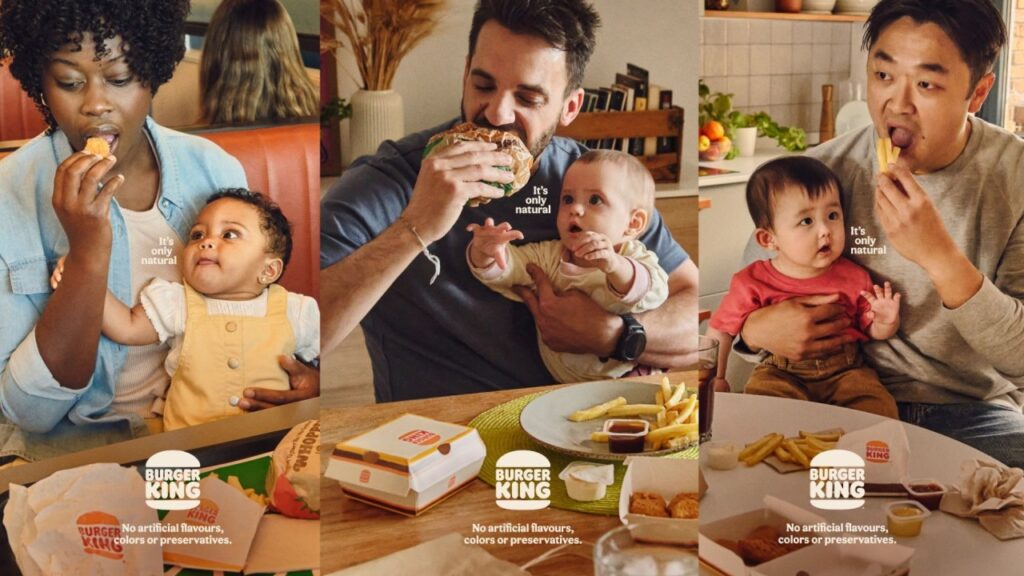
The Audacity of Honesty: Burger King’s Brilliant Long Game, Where Mold and Babies Led to Magic Think about all the ads you see every day. It’s a loud mess out there, right? Most companies just shout the same old stuff, and honestly, we just stop listening. Marketers call this cognitive immunity. Basically, our brains tune out anything that sounds boring or the same as everything else. To actually break through this wall of noise, a brand needs to stop trying to be perfect and start being real. It needs to choose total honesty over glossy pictures. That’s the core of Burger King’s strategy over the last few years, leading right up to their sweet and honest “It’s Only Natural” campaign. This long-game approach, running for years, not just months, proves that when you mix self-humor, genuine emotion, and super clear branding, you don’t just sell burgers; you build a brand people truly love. The Rule of Fun: Why Burger King Chose Vulnerability The first rule Burger King follows is this: Never, ever bore people to death. When every competitor promises “the best quality,” the word “quality” loses all its meaning. Burger King has always been that fun, slightly cheeky friend who isn’t afraid to poke fun at the big guys or even themselves. They use humor and smart, tactical moves because it’s efficient, not just for kicks. Take the famous “Whopper Detour” campaign, that’s genius in action. How they pulled off that clever trick: They used phone location technology to pull off a brilliant prank: You could get a Whopper for just one penny, if you were within 600 feet of a McDonald’s! This trick led to 1.5 million app downloads in only nine days and brought in an incredible 37 times the money they spent on the ad (37:1 ROAS). They basically turned their rival’s restaurant into their own welcome mat. It shows that winning marketing isn’t about waiting for luck; it’s about making your own opportunities. The Long Game: You Must Run for Years, Not Just Months Great campaigns aren’t just a flash in the pan. They need to stick around for years, not just months, for the message to truly sink in. For that to work, the advertising has to be based on something real that the company is doing. Burger King didn’t just wake up and decide to run the “It’s Only Natural” ad; they spent years building the real story first. The company went on a huge, worldwide mission to get rid of fake stuff in their food. This wasn’t easy, but it was essential. By 2020, they had kicked out 120 artificial ingredients, like fake colors, flavors, and preservatives, from the Whopper in the U.S. Think about that: they removed 8,500 tons of artificial preservatives globally. This huge effort teaches us a key lesson: What you do must always come before what you say in your ads. Burger King did the hard work first. The marketing campaigns that followed, from the shocking to the heartwarming, were simply undeniable proof that they kept their promise. This sequence: Action first, Proof second, Emotion third, makes the message feel like a solid fact, not just an empty commercial promise. Phase 1: The Ugly Truth, Making Friends with Mold To prove they were committed to real ingredients, Burger King needed a marketing strategy that was just as fearless. Most fast-food ads show a perfect, shiny burger with some forgettable slogan. But Burger King said, “Nope.” They went the complete opposite way, using extreme, hilarious self-deprecating humor. The Shock That Worked: The Moldy Whopper The famous 2020 “Moldy Whopper” ad showed a Whopper rotting right before your eyes over 34 days, turning into a fuzzy, greenish-blue mess. This broke every single rule in the Food Advertising 101 book, food advertising is supposed to be appetizing, after all. The tagline was the best kind of self-aware joke: “The beauty of real food is that it gets ugly”. Burger King basically roasted their own star product to make a point. They showed their burger at its absolute grossest, and in doing so, they showed radical honesty. It was like saying, “Hey, we have nothing to hide…ever.” This act of corporate vulnerability makes the brand feel instantly human and trustworthy. It also landed a clear, funny punch at the competition. The ad came out at a time when people had long wondered why a rival’s burgers seemed to last forever without decaying. By showing a burger that decays naturally, Burger King drew a clear line in the sand: Ours is the real one. Branding Through Shock: Make Sure They Remember You A shocking ad only works if everyone remembers who made it. If people are grossed out but forget the brand, you wasted your time. Burger King made sure the Whopper name and the logo were glued right next to that moldy picture, guaranteeing massive brand recall. The risk paid off huge. Check out the numbers: This controversial content got people talking, driving engagement rates up to three times higher than typical fast-food ads. While one study suggested the mold might have made people less likely to visit right away , the huge long-term results, billions of impressions and sustained sales growth, show that taking a big, calculated risk beats playing it safe every time. The controversy itself was the fuel. Navigating the Nuance: The Reality Check To be fair, we have to look at the whole picture. The “Moldy Whopper” was brilliant marketing, but it immediately got called out by some critics. The “Is It Healthy?” Question The main pushback was that removing preservatives amounted to “nutrition-washing,” meaning Burger King was trying to trick customers into thinking the Whopper was suddenly a “healthy” meal. Critics pointed out that while the food is “cleaner,” the Whopper is still far from a health food. Let’s be real about the nutritional facts: A standard Whopper still has 39 grams of total fat, including 2 grams of trans fat (which is the daily limit

The Audacity of Honesty: Burger King’s Brilliant Long Game, Where Mold and Babies Led to Magic Read More »

Your AI Butler Just Bought Your Neighbor’s Favorite Mug. Now What?

Your AI Butler Just Bought Your Neighbor’s Favorite Mug. Now What? If you’re reading this on LinkedIn, you probably remember the early days of e-commerce. It felt like science fiction. Suddenly, you could buy a book without putting on pants. But let’s be honest. That experience quickly got complicated. We learned to live with it. We accepted that finding things required work. Then came the new AIs. I’ve watched business models change overnight. I’ve seen the internet shift from a static brochure to a social media vortex. But what just happened? This is bigger. We aren’t talking about chatbots that answer simple questions anymore. We’re talking about AI that completes the entire transaction for you. You just watched commerce turn into an action verb executed by an intelligent agent. And you need to pay attention. The future of retail isn’t another website design. It’s a conversation. The Conversational Commerce Ground Zero You already use AI for discovery. You ask it for complex advice. You use it to synthesize huge amounts of data. But until recently, the final act “the purchase” always pulled you away. You found the thing, but you had to go to the merchant’s site to pay. That tiny click, that brief interruption, was the final gatekeeper of old retail. That gate just dissolved. On Monday, September 29, 2025, OpenAI flipped the switch on a feature called Instant Checkout within ChatGPT. This is not a tiny update. This is the moment AI stopped being a research assistant and became a personal buyer. The cream is on its way. You never opened a browser tab. You never saw an ad for a competing product. You never typed your address. This is the end of the traditional conversion funnel! The New Players and the Protocol Depth Who exactly is pushing this change? The big movers aren’t just one company. They are a coalition establishing the new rules of the retail game. OpenAI partnered with Stripe to create the core infrastructure. Stripe calls itself “the economic framework for AI.” That is a grand statement, but it’s true. They built the pipes that move the money. The first merchants on board? This is not a slow rollout to tiny beta groups. It is a mass adoption feature backed by major players who want to reposition themselves. The technology that makes this possible is the Agentic Commerce Protocol (ACP). It’s an open standard. Think of it as the agreed-upon language for AI to talk to a store’s inventory and payment system securely. This means you don’t have to worry about your AI agent being locked into one system. This is a framework designed for the entire e-commerce world to adopt, eventually. It’s the new standard for digital handshake protocols between a mind (the AI) and a market (the merchant). The Hard Numbers and the Velocity of Change As a business leader, you need context beyond the hype. You need to know what this AI shift does to your bottom line. We have data, and the data says you must move fast. The AI-enabled e-commerce market is already a serious business. It is valued at $8.65 billion in 2025. It is expected to reach $22.60 billion by 2032. This means a compound annual growth rate of 14.60%. That’s a serious growth curve for an area that barely existed five years ago. But where does the real money come from? It comes from efficiency and removal of friction. Conversion and Velocity This new conversational approach doesn’t just feel better for the customer. It makes people buy more, and it makes them buy faster. The most crucial statistics you must consider: When you offer a personalized expert who can also handle the paperwork, people spend more. They waste less time. They don’t get distracted by a flashing banner ad. This shift isn’t about marginal improvement. It is a fundamental change in customer behavior driven by utility. The Generative Growth Generative AI, the technology that powers these conversational agents, is growing at an incredible pace. It is projected to expand at a CAGR of 22.90% through 2034. That means the capacity of these systems to act on your behalf “to do things” will continue to compound exponentially. If AI is already this good at shopping, what will it be doing for you next year? Think about service contracts, insurance renewals, and corporate procurement. It’s all moving here. Beyond Search, The Era of A-Commerce For twenty years, selling a product online meant mastering SEO, Search Engine Optimization. You fought to rank on Google. You bought keywords. Your life depended on Google’s algorithm update. That world is ending. Gartner projects that traditional search volume will drop by 25% by 2026. Where is that volume going? It is moving from ten blue links to one good answer. The Agentic Commerce system, or A-commerce, changes the definition of marketing. You are no longer optimizing for a search engine that lists pages. You are optimizing for an agent that lists solutions. The Difference is Deep Intent, In the past, you searched for: best running shoes. Now, you ask your agent: “I need a waterproof trail runner for someone with a high arch who plans to run a half-marathon in a wet climate next month. My budget is $150. I prefer brands that use recycled materials.” That is not a query. That is a statement of intent backed by five complex attributes, including ethical criteria. The AI agent, acting on your behalf, matches those attributes to products instantly, across every participating merchant. It’s the ultimate qualified lead generator, delivered at the moment of purchase. The Agentic Experience The rise of A-commerce means your brand needs to learn a new language. You must speak clearly to the agents. The New Marketing Priority: AEO If SEO is fading, what replaces it? We call it Answer Engine Optimization (AEO). This is how you get your product recommended when someone asks for “one good answer.” What AI agents prioritize: This transition from creative copywriting to precise

Your AI Butler Just Bought Your Neighbor’s Favorite Mug. Now What? Read More »

How Uber Eats Won Hearts by Being Un-Romantic

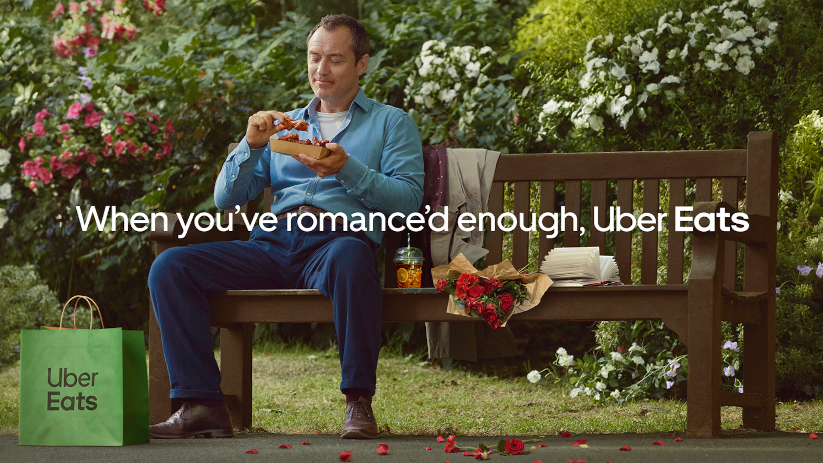
How Uber Eats Won Hearts by Being Un-Romantic You know the feeling. It’s 7 pm. The sun is gone. Your sofa looks like an offer you shouldn’t refuse. A rom-com plays in the background. Then the hero smiles at a camera like he owns your Saturday night. Cue predictable music. Cue predictable longing. Now imagine that hero saying, out loud, “No. I’m done with this.” Then he orders chicken wings and eats them with sauce all over his face. That’s the new Uber Eats ad starring Jude Law. It’s short, funny, and honest in a way big budget ads sometimes forget to be. And it matters, because the ad quietly does two things any marketer would love: it makes people laugh, and it makes them see Uber Eats as permission to switch off and enjoy a simple pleasure. Quick fact checks up front: the spot is part of Uber Eats’ UK brand platform called “When You’ve Done Enough,” and the new instalment is titled Romance’d Enough. The creative work was developed with agency Mother and directed by David Shane. The campaign runs across TV, out-of-home, digital and social channels. Setting the scene: why this felt necessary The food delivery category has been screaming convenience features for years. Free delivery. Wide choice. Fast times. All useful. But in an ad-saturated world, repeating those functional lines gets fuzzy. Uber Eats decided to stop shouting features and aim for a feeling instead: permission to put your feet up after you’ve done a lot for everyone else. That shift was already underway in Uber Eats’ recent creative work. The brand launched a broader platform that dramatizes moments when people have “done enough”, various public figures appear in roles that play on what they’re famous for, then choose downtime and food. The Javier Bardem spot (Evil’d Enough), framed the same idea for a different kind of typecast: the man who always plays the villain. The Jude Law film flips the rom-com typecast on its head. Why does this matter? Because casting a well-known actor in a role that echoes their screen persona is shorthand. It gives the ad context with a single frame. The audience brings the baggage, the previous films, the posters, the memes, and the ad borrows that history to land a quick comic beat. That saves time, and time is expensive in a 30 or 60 second film. The creative idea: self-humour plus shorthand Let’s be blunt: Jude Law’s brand is the rom-com heartthrob. That’s not a slight. It’s an asset. The creative idea here is twofold and elegant in its simplicity. First, use the actor’s public persona as a storytelling shortcut. You don’t need to explain why a random man is being chased by meet-cute moments; the audience understands instantly when it’s Jude Law. Second, have the star poke fun at himself. Self-humour takes the glossy sheen off a figure and makes them resemble the rest of us. That move invites the viewer in. It says: the star is human, pleasure is fine, and ordering food is an earned, private treat. When those two elements come together, shorthand plus self-parody, the ad earns three things: speed of comprehension, relatability, and earned media. You get recognition from the cast, laughter from the script, and headlines from the press cycle. The trade-off is small: you must get the casting right and trust the audience will accept the joke. Production notes reinforce the idea. The piece is cinematic, a romcom palette, but camera choices and editing land on small, revealing beats: an awkward glance, a botched meet-cute, a resigned sigh. The punchline is simple and human: Jude orders Uber Eats and digs into messy wings. That contrast, high-gloss romcom setup and low-gloss, unbuttoned payoff, is where the humour breathes. Execution: what the ad does and where it runs The ad opens in a world full of rom-com cues, cozy bookshops, dog-walkers who smile at the lead, the classic chance-run-in with a charming stranger. Jude Law navigates these moments like a tourist in his own career. Each potential meet-cute expands into a gag, and each gag underlines the ad’s premise: the hero has had enough. At the end, Jude chooses simplicity: comfort, and a messy box of wings just delivered. The final frame is intentionally domestic, him alone, enjoying something he doesn’t have to prepare. That’s the brand moment. It’s a simple substitution of emotional beats: swap longing for comfort. The tagline anchors the idea: when you’ve done enough, Uber Eats. Media placement is straightforward and integrated. The ad rolls across TV, DOOH (out-of-home), digital video placements, and social channels. The OOH presence helps push repeat exposure during peak commute and shopping windows. Social content does the heavy lifting for shareability, short cuts, behind-the-scenes stills, and the celebrity moment all go social-first, which lets earned coverage pick it up fast. Credits are notable because they show the level of craft: Mother as creative agency, David Shane directing, and O Positive as production partner. Those names signal an approach that treats a 60-second ad like a short film. That matters when working with an A-list actor; you need production that matches the talent. The strategic logic: why celebrity + self-parody is a low-friction way to land meaning Here’s the strategy in plain terms. Put together, those moves make the ad memorable and shareable. The casting creates immediate pressability. The script supplies the social clips and GIFable moments. The product moment is short and unmistakable: food arrives and the viewer understands how the service fits their life. You want to avoid two mistakes when using this tactic. First, don’t let the star dominate the brand. If viewers walk away remembering only the actor and not the product, you’ve failed. Second, don’t over-explain. The compactness of the idea is the strength; excess narration kills it. What the press and the industry said (and what that implies) Immediate coverage came from the industry press and trade outlets. Adweek, Creative Review, Campaign Live and others ran pieces describing the

How Uber Eats Won Hearts by Being Un-Romantic Read More »

How Coca-Cola Turned Awkward Silence into Lasting Connection

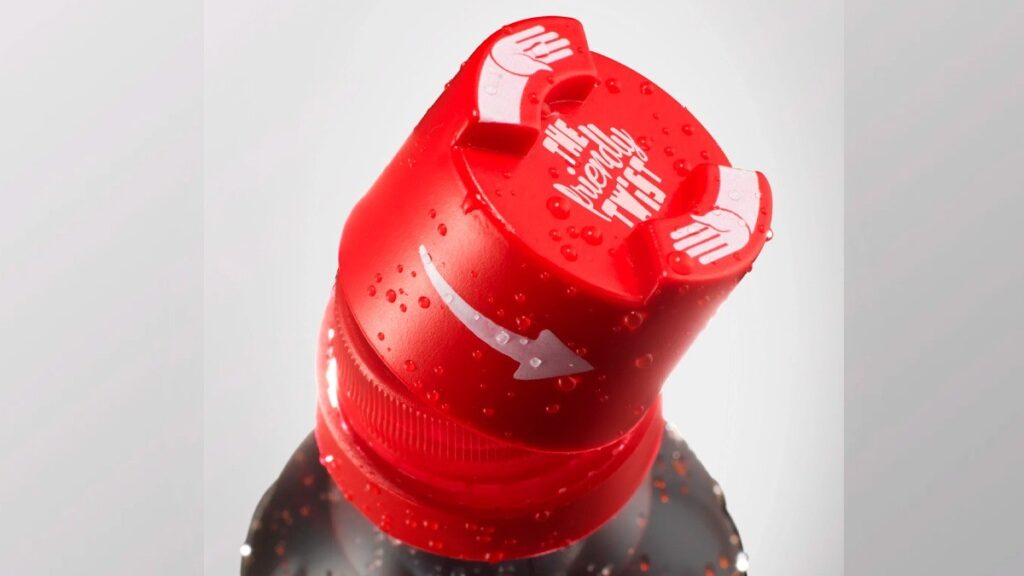
How Coca-Cola Turned Awkward Silence into Lasting Connection I’ve been in the business of building brands for quite some time. I’ve seen it all: the flashy Super Bowl ads, the perfectly curated influencer campaigns, the data-driven precision targeting that feels almost… well, a little too precise. But every once in a while, a campaign comes along that reminds me why I fell in love with this work in the first place. It’s a campaign that isn’t just about selling a product. It’s about engineering a moment, a shared human experience that creates a memory so powerful, it becomes inseparable from the brand itself. That campaign, for me, is the Coca-Cola “Friendly Twist.” You might have heard about it. It was a simple, brilliant idea that went viral. But what most people remember is the clever bottle. What they don’t always see is the strategic genius and the profound understanding of social dynamics that made it work. The Problem We All Know (But Never Talk About) Think back to your first day of college. Or maybe your first day at a new job. That moment you walk into a crowded room filled with new faces. It’s a mix of excitement and… utter, crippling awkwardness. The silence feels deafening. The air is thick with the unspoken question: “Who do I talk to?” It’s a universal human challenge. A moment of vulnerability. Now, imagine you’re a brand like Coca-Cola. For decades, your message has been about “happiness” and “sharing.” But how do you make that more than just a tagline? How do you make it real? How do you get people to live your brand promise, not just hear it? This was the challenge presented to Coca-Cola and their agency partner, Leo Burnett Colombia. The target audience was a specific group of people at a specific, vulnerable moment in their lives: college freshmen on their first day. Their solution wasn’t an ad. It was an invitation. The Unboxing of Connection: A Physical Icebreaker Instead of a traditional campaign, Coca-Cola created a limited-edition bottle. At first glance, it looked normal, but the cap was different. It wasn’t a screw-top. It was a twist-lock cap that could only be opened by engaging with another person’s matching bottle. You had to twist it together. Think about the simple power of this. It was a literal, physical icebreaker. Imagine the scene. A few new students, sitting alone, pick up a free Coke from a special vending machine on campus. They try to open it. It doesn’t work. The frustration. The confusion. Then, they look around and see someone else doing the same thing. A small smile. An unspoken understanding. A gesture: “Hey, do you need help?” And just like that, a conversation begins. A new connection is forged. All because two people, with two bottles, had to solve a simple puzzle together. This wasn’t just a gimmick. It was a masterclass in behavioral psychology. From Product to Experience: The Brand as a Catalyst The brilliant part of “Friendly Twist” is that the product itself became the marketing. It was no longer a beverage; it was a tool for social engagement. The campaign’s goals were beautifully aligned: And the best part? The campaign was a low-cost, high-impact effort. They didn’t need to buy a TV spot. They needed a few vending machines, a special bottle design, and a video camera to capture the magic. The Ripple Effect: Numbers That Tell a Human Story While specific sales figures for the limited-edition bottles weren’t widely released, and honestly, that wasn’t the main point, the campaign’s success can be measured in a different, more powerful currency: human engagement. The viral video capturing the live interactions was the campaign’s true media powerhouse. It showed the campaign in action, filled with authentic smiles, laughter, and genuine connection. The video itself was a compelling story, which is why it exploded. This campaign proved that if you can earn a spot in people’s emotional lives, you will earn their business. It demonstrated that a compelling brand experience can drive more value than any traditional ad campaign ever could. The product was the catalyst, but the human connection was the product. 5 Key Takeaways I Learned from the Friendly Twist Looking at this campaign with 15 years of experience, I see a few universal truths that apply to any business, big or small. In the end, this campaign wasn’t about a bottle of soda. It was about connection, kindness, and the little moments that change everything. It was about proving that a global brand can still be profoundly human. And that’s the kind of marketing that will always have a twist of genius.

How Coca-Cola Turned Awkward Silence into Lasting Connection Read More »

From ‘Just Do It’ to ‘Why Do It?’: The Masterclass in Reviving an Iconic Brand

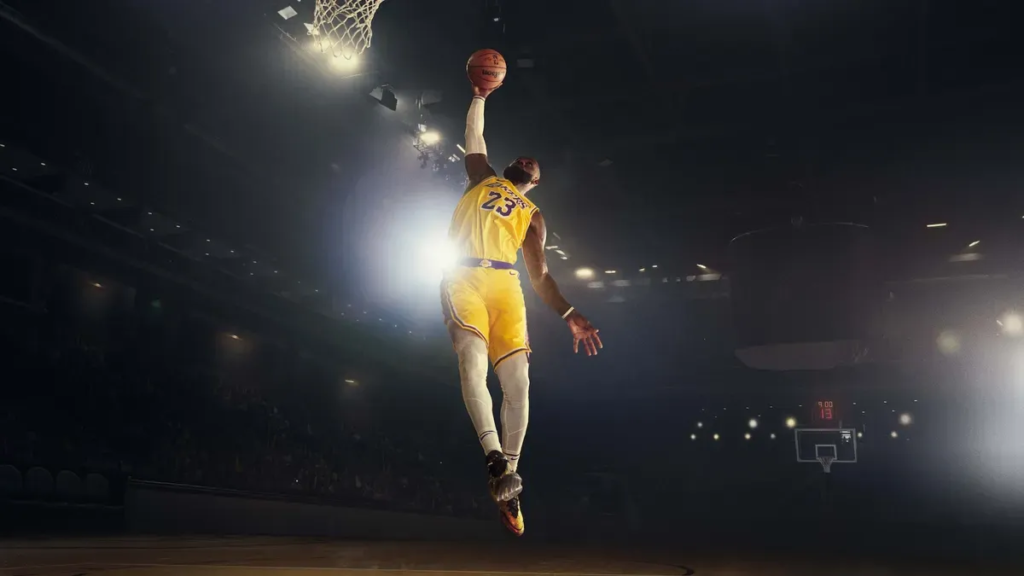
From ‘Just Do It’ to ‘Why Do It?’: The Masterclass in Reviving an Iconic Brand As a marketing strategist who has seen brands rise and fall, I can tell you there is nothing more challenging (or more rewarding) than reviving an icon. It’s like being tasked with restoring a classic car. You don’t just put a fresh coat of paint on it. You get under the hood, honor the original engineering, but upgrade it with modern technology so it roars back to life on today’s roads. Nike’s recent “Why Do It?” campaign is a masterclass in this very process. It’s a case study on how to build over a strong brand foundation, reframe an old campaign for a new audience, and, most importantly, target the emotions that drive human behavior. This isn’t about nostalgia. It’s about a company with a legendary past confronting a challenging present and making a brilliant, calculated move to secure its future. Let’s get under the hood. The Foundation: What “Just Do It” Was Built On When Nike launched “Just Do It” in 1988, they were far from the undisputed giant they are today. They faced a fierce rival in Reebok, which was dominating the casual footwear market, especially in the aerobics craze of the time. Nike needed a new message, something that could unite its brand and expand its appeal beyond the world of elite athletes and runners. The solution, conceived by ad agency legend Dan Wieden, was a three-word phrase born from a shockingly dark place, the final words of a death row inmate: “Let’s do it”. Wieden simply changed one word, and in doing so, transformed a grim phrase into a universal rallying cry for determination and action. The strategy was simple but genius. It wasn’t about selling shoes; it was about selling a mindset. The campaign’s brilliance was its universality. It spoke to professional athletes and everyday people alike, encouraging them to overcome obstacles and pursue their goals, no matter how daunting. It made wearing Nike a symbolic statement of self-fulfillment and a way to belong to a “cool” group. This was emotional marketing at its most powerful, and the results speak for themselves. In the decade that followed, Nike’s share of the North American sport-shoe market skyrocketed from 18% to 43%. Worldwide sales grew from $877 million to an astonishing $9.2 billion. The campaign didn’t just reflect Nike’s success; it created it. It proved that a compelling story and an emotional connection could be a business metric in their own right. The Modern Challenge: A Giant in Transition Even a legendary brand faces headwinds. In recent years, Nike’s once-unshakable dominance has been challenged. The company saw a 10% decline in full-year 2024 revenues, and its stock price dropped a painful 30%. The brand was perceived to have “missed out on” the amateur running boom, ceding market share to competitors like Hoka, New Balance, and ASICS. This business context is the “why” behind the “Why Do It?” campaign. This isn’t just a creative pivot; it’s a strategic response to a very real business problem. The company needed to re-engage with a broader, more hesitant audience, the very community it had unintentionally alienated by focusing on the elite. Reframing an Icon: From Command to Question The single most powerful element of the new campaign is its fundamental shift in tone. “Just Do It” was a command. “Why Do It?” is a question. It’s a direct reintroduction of the classic rallying cry to a new generation. But instead of simply pushing people to persevere, the new message acknowledges the reality of today’s consumer: a “hesitant generation” that finds trying and failing “daunting”. The original campaign was a call to action. The new one is a call to introspection. It hands the legacy of “Just Do It” to a generation that wants to write its own next chapter. Greatness, the campaign argues, is a choice, not an outcome. It reminds athletes, and all of us, that trying still counts, and that failure is part of the process. By asking “Why?”, Nike isn’t weakening its message; it’s strengthening it by validating the struggles of its audience. This builds a deeper, more relatable emotional connection than any command ever could. The campaign’s centerpiece is a bold, cinematic anthem film. It features a global cast of Nike athletes like Carlos Alcaraz, Caitlin Clark, Saquon Barkley, and LeBron James. But it’s not the visuals that are the most telling. It’s the voice behind them. The narrator is artist Tyler, The Creator, whose raw, unfiltered voice gives the campaign a sense of authenticity and humanizes the struggle. The film asks questions like, “Why would you make it harder on yourself? Why chance it? What if you don’t?”. This isn’t corporate speak. It’s the voice of doubt that lives in all of our heads. The ad concludes with a sharp cut to the iconic “Just Do It” logo and a sharp, knowing cackle from the narrator. This isn’t just a stylish creative choice; it’s a moment of psychological release, acknowledging the shared human experience of fear and doubt. It’s the modern-day equivalent of the original campaign featuring an 80-year-old runner alongside a legend like Michael Jordan, a creative act that redefined the brand for a new generation. The Business of Emotional Leadership: Metrics and Results Since this campaign is so recent, comprehensive quantitative results like sales growth aren’t yet available. But this campaign shouldn’t be judged by short-term metrics alone. Nike has a history of high-stakes, high-reward campaigns. The 2018 “Dream Crazy” campaign with Colin Kaepernick, for example, sparked a major backlash but ultimately resulted in a 31% spike in sales and strengthened the brand’s identity. The “Why Do It?” campaign is a similar, if different, kind of risk. It’s a long-term play aimed at regaining the brand’s emotional leadership in a competitive market with declining revenues. It’s a strategic investment in long-term brand equity, proving that Nike’s success isn’t just about selling products but about inspiring a global community.

From ‘Just Do It’ to ‘Why Do It?’: The Masterclass in Reviving an Iconic Brand Read More »

The high cost of nostalgia: A strategic analysis of the Cracker Barrel rebrand fiasco

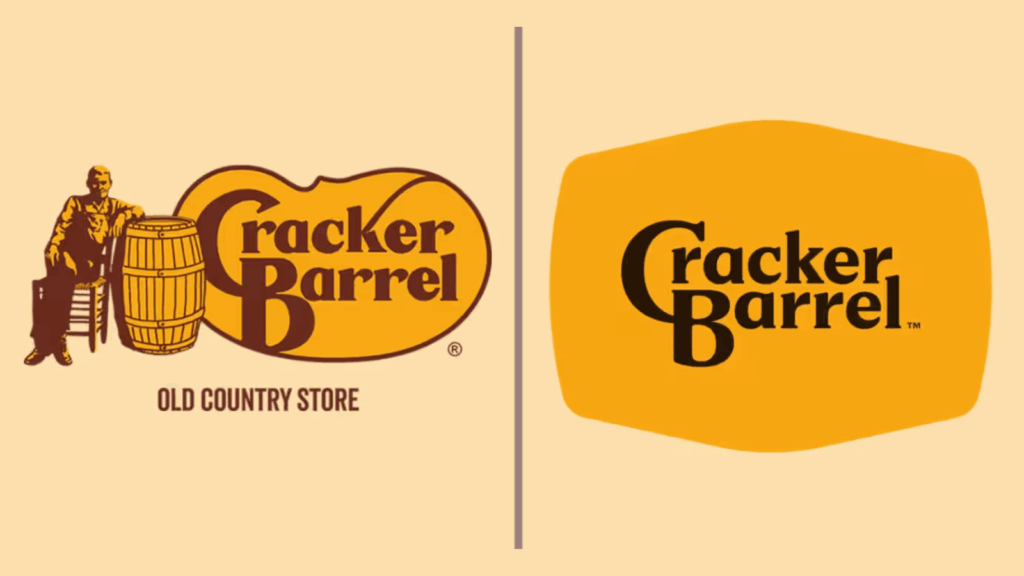
The high cost of nostalgia: A strategic analysis of the Cracker Barrel rebrand fiasco I’ve had a front-row seat to many rebrands over the past years. Some were masterful symphonies of strategy and execution. Others were… well, let’s just say they hit a few sour notes. But what happened at Cracker Barrel a few weeks ago? That wasn’t just a sour note. It was a brand-shaking earthquake that rattled a company to its core, wiped out nearly $200 million in market value, and proved, in the most painful way imaginable, that nostalgia isn’t just a feeling. It’s a quantifiable, financial asset. Everyone on LinkedIn has an opinion. “They went woke.” “They forgot their base.” “It was a brand-building masterclass in what not to do.” All of those takes contain a kernel of truth, but they miss the real story. The real story isn’t about politics or graphic design. It’s about a leadership team that made the right diagnosis but chose a path of execution that was too fast, too blunt, and fundamentally, too hostile to the very people who had made the brand so beloved in the first place. This wasn’t an act of corporate malice. It was an attempt at corporate salvation. And it teaches us all a powerful, uncomfortable lesson about the delicate art of brand evolution. A business in peril: The urgency for change To understand the rebranding, we have to look past the rocking chairs and the hashbrown casserole and get into the numbers. And the numbers… were not good. Imagine a brand, built on a promise of timelessness, that’s slowly losing its relevance in a fast-paced world. That was Cracker Barrel. Their customer traffic was down by a staggering 16% compared to 2019. The once-thriving retail side of the business, those charming “Old Country Stores” filled with candy and puzzles, saw same-store sales drop by a substantial 5.5%. The core restaurant business was treading water at best; same-store sales had dropped 0.1% even with a 4.9% price increase on the menu. These weren’t small problems. They were existential threats. The company’s own research showed that consumers thought Cracker Barrel fell short of its competitors in key areas like food quality, value, and convenience. The brand was stuck. It was a road trip staple, a beloved institution, but it wasn’t a growth engine. It was a business in a slow, steady decline. Julie Felss Masino, a veteran executive from global giants like Taco Bell and Starbucks was brought in as CEO in July 2023 with a clear, and frankly, correct mandate: innovate and attract a new, younger demographic. Her assessment was crystal clear: “We are not leading in any area. We will change that.”. And so, she started making changes. Big changes. This wasn’t just about a logo. It was a comprehensive, multi-faceted transformation. She introduced new menu items like the Hashbrown Casserole Shepherd’s Pie to boost dinnertime traffic. She began a massive, $700 million project to modernize the physical stores, swapping out the dark, antique-filled interiors for lighter paint and more contemporary furniture. The plan was to retain key nostalgic elements, like the stone fireplaces, but to update the entire experience for a new generation. The diagnosis was spot-on. Cracker Barrel needed to evolve to survive. The plan was bold, decisive, and based on solid business data. But in the world of branding, the what you do is only half the battle. The other half is the how. And this is where it all fell apart. The strategic miscalculation: A rebrand by bulldozer The fatal error wasn’t the new logo itself. A former brand consultancy executive even acknowledged that the old logo was “too detailed and fussy for the digital age”. In a world where your brand identity has to look good on a smartphone app, simplification is a strategic necessity. The fatal error was the execution. Instead of a thoughtful, phased rollout, the new logo was introduced almost as a footnote, “mentioned in the fourth paragraph” of a press release about new menu items. It was a clumsy, almost apologetic introduction. This isn’t how you launch a new era for a legacy brand. It’s how you launch a new flavor of soda. Contrast this with the rebrand of a company like Walmart in 2008. Richard Wilke, a consultant who worked on that project, said their rebrand was a multi-year effort that started with store redesigns and a new slogan. The logo change was the “natural conclusion” to this transformation. It was a gradual, deliberate process that brought customers along on the journey. They were prepared for the change. Cracker Barrel’s approach was the opposite. It was a bulldozer. It was a sudden, jarring change that tore away the most beloved, most visible symbol of the brand’s identity: the “Old Timer” affectionately known as Uncle Herschel, leaning against a barrel, with the words “Old Country Store”. To the company, this was a logical step towards a more modern, streamlined aesthetic. To the customer, it felt like an act of erasure. The new logo itself was a prime example of this bullheaded approach. It was a text-only, simplified design. It was meant to be clean, modern, and inoffensive. But as the critics pointed out, it was also “soulless,” “generic,” and “lacked character”. In the rush to be modern, they stripped away the very soul of the brand, that “storybook spectacle of Southern life” that had made Cracker Barrel unique. The company’s leadership was right: the brand needed to change. But they profoundly misjudged the nature of their brand’s appeal. They believed they could simply update a logo and a few pieces of furniture without shattering the “psychological contract” they had with their customers. They didn’t understand that to their loyal patrons, the logo wasn’t just a picture; it was a powerful symbol of a lifestyle, of memories, of a simpler time. And when you try to replace a powerful symbol with a faceless corporate stamp, you’re not just rebranding. You’re committing “brand suicide”. The perfect

The high cost of nostalgia: A strategic analysis of the Cracker Barrel rebrand fiasco Read More »

Great Jeans, or Great Blunder? American Eagle’s risky Business with Sydney Sweeney

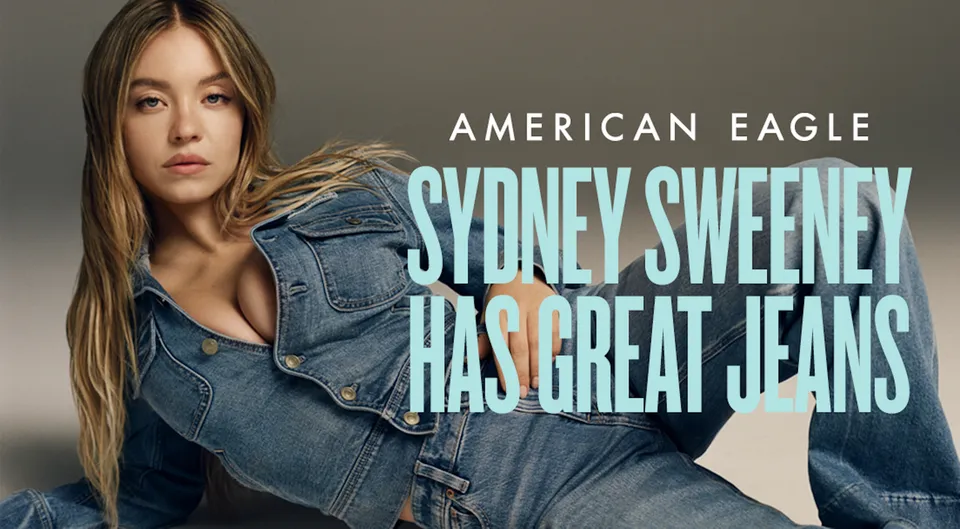
Great Jeans, or Great Blunder? American Eagle’s risky Business with Sydney Sweeney After watching many brands and their efforts to try to capture our attention, I’ve learned one thing: marketing is rarely boring. But every now and then, a campaign comes along that makes you spill your morning coffee. The American Eagle “Sydney Sweeney Has Great Jeans” campaign, was precisely that kind of moment. It was a whirlwind of celebrity power, clever wordplay, and, well, a whole lot of controversy. So, let’s pull back the curtain, shall we? We’ll look at what American Eagle was trying to achieve, what actually happened, and whether this was a calculated gamble that paid off, or a genuine misstep that left everyone scratching their heads. The Stage Was Set: A Brand in Need of a Buzz American Eagle, a brand synonymous with denim for generations, found itself in a bit of a bind. Heading into 2025, they reported a 5% year-over-year revenue dip in Q1, even pulling their 2025 guidance due to broader economic jitters. Not exactly a party. They needed a spark, a jolt, something to make people “reconsider and reengage” with the brand. Craig Brommers, American Eagle’s Chief Marketing Officer, saw the back-to-school season as their “Super Bowl”. This wasn’t just about selling jeans; it was about re-establishing American Eagle as the denim destination for Gen Z, a generation that, let’s be honest, doesn’t just buy clothes, they buy into values and experiences. The goal? To “cut through in culture”. And boy, did they cut through. Their big idea? Go all-in on one celebrity. A bold move, considering their past campaigns featured a roster of stars. But for Brommers, Sydney Sweeney was “the biggest get in the history of our brand”. Why Sweeney? She’s a rare talent, able to be “the face of a dual-gender brand” , sitting right “at the intersection of fashion, fame and digital culture”. She was, in his words, “that sweet spot”, not too young, not too mature. She even designed her own “Sydney Jean” with a butterfly motif, with proceeds going to Crisis Text Line, a mental health support service. A nice touch, right? A little bit of good karma mixed in with the marketing. The Campaign: A Masterclass in Modern Reach American Eagle didn’t just dip a toe in the water; they cannonballed. They unleashed a multi-channel blitz that was, frankly, impressive: The whole idea was to make it feel “personal”. Sweeney’s long-time stylist, Molly Dickson, curated the denim looks. Sweeney herself had even organically mentioned American Eagle in other campaigns, adding a layer of authenticity. It was all about her “girl next door charm and main character energy, paired with her ability to not take herself too seriously”. So far, so good, right? A big star, a massive media spend, and a cause marketing tie-in. What could possibly go wrong? The Firestorm: When “Cheeky” Becomes “Controversial” Ah, the best-laid plans. The campaign’s tagline, “Sydney Sweeney Has Great Jeans,” was meant to be a playful pun on “great genes”. A video even showed Sweeney crossing out “genes” and writing “jeans” on a billboard. In another clip, Sweeney’s voiceover explicitly stated, “Genes are passed down from parents to offspring, often determining traits like hair color, personality and even eye color. My genes are blue”. And that’s when the internet collectively gasped, then roared. Critics quickly pointed out that “great genes” carries some serious historical baggage. It’s a phrase “long associated with white supremacist ideals, used to promote whiteness, thinness, and eurocentric beauty standards”. When paired with Sydney Sweeney, a “blue-eyed, blonde-haired woman often labelled the embodiment of ‘classic American beauty’”, the message, for many, started to “resemble eugenic messaging”. Eugenics, for those who might need a refresher, is a discredited theory that aimed to “improve the genetic quality of the human population,” historically popular among white supremacists who believed in the “genetic superiority of Nordic, Germanic, and Anglo-Saxon peoples”. Suddenly, a seemingly innocent pun felt… loaded. Social media, particularly TikTok and X (formerly Twitter), erupted. People posted detailed “explainers,” drawing parallels to language used in Nazi Germany. Comments flew: “NAZI propaganda,” “fascist,” and questions like, “They could’ve gotten a beautiful Black woman to do this ad, but they picked a yt [white] woman instead…”. The backlash “slammed the ad for a lack of diversity and poor messaging”. Now, some folks, like TV host Megyn Kelly, jumped to the campaign’s defense, calling the accusations “absurd” and blaming the “lunatic left”. They argued it was clearly a reference to Sweeney’s body and the product, not her racial makeup. Others simply dismissed it as an “overexaggeration”. But here’s the kicker: through all this, neither Sydney Sweeney nor American Eagle issued a public statement addressing the uproar. Their Instagram post for the campaign remained live, though comments seemed to be heavily moderated. Silence, in this case, spoke volumes. The Numbers Game: Did It Work? Despite the firestorm, or perhaps because of it, the campaign delivered some eye-popping financial results. Beyond the stock market, the campaign certainly generated buzz. The main campaign video on American Eagle’s Instagram page racked up over 1.1 million views. Analysts noted the strategy “helped reconnect with Gen Z and revived the brand’s market buzz”. So, financially, it was a win. But at what cost? While the campaign “did boost business,” it came with the explicit acknowledgment that “social goodwill may have taken a hit”. Experts warned of “longer-term reputational risks,” especially with Gen Z and millennial consumers, who increasingly prefer socially conscious brands. Calculated Controversy or Tone-Deaf Blunder? My Take. This is where it gets interesting, isn’t it? Was American Eagle genuinely oblivious to the historical weight of “great genes,” or was this a calculated risk, a deliberate attempt to “push buttons” and “break through the noise” in a crowded market? From my vantage point, having seen countless campaigns rise and fall, I lean towards a calculated risk that perhaps misjudged the depth of the cultural nerve it would strike. Allen Adamson, a seasoned advertising expert,

Great Jeans, or Great Blunder? American Eagle’s risky Business with Sydney Sweeney Read More »

Snickers, Hunger, and the power of saying what everyone feels.

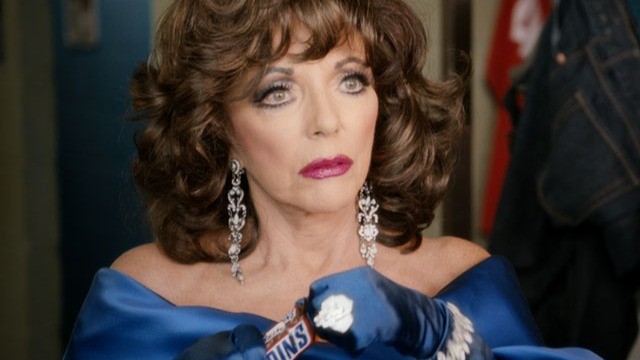
Snickers, Hunger, and the power of saying what everyone feels. What one candy bar taught us about human behavior, global marketing, and why a bit of wit can go a long way You’ve probably been there, snapping at someone for no good reason, only to later realize you were “Hangry”. Maybe it was that moment in a meeting, or snapping at a friend over something trivial, and then realizing your empty stomach was the real culprit. It’s a universal experience. That sudden switch from calm to cranky, the foggy thinking, the irritability. We’ve all felt it, but few brands ever acknowledged it so openly, so cleverly, and so memorably as Snickers did. When they launched “You’re Not You When You’re Hungry” back in 2010, it was more than just a slogan. It was a mirror reflecting something everyone knows but rarely talks about in ads, the way hunger messes with your personality. This campaign didn’t just sell candy bars. It turned a simple truth into a global phenomenon that redefined how we think about hunger, humor, and brand storytelling. A Chocolate bar in crisis Snickers has been around since 1930. For decades, it carved out a strong niche as a hearty, filling snack. It had mass-market appeal, yes, but by the late 2000s, that edge was fading. Sales were dipping. In the U.S., household penetration had slowed. Globally, the messaging was disjointed. Different markets were running different types of ads with inconsistent tones. Creatively, the brand felt like it had hit a wall. The longstanding image of Snickers as “the bar for manly men” wasn’t cutting through the noise anymore. Mars, the parent company, realized they didn’t need to change the product. They needed to reset the story. So they looked for something new, something everyone could get behind. They found it in a question so obvious it had been hiding in plain sight: What happens when people get hungry? They turn into monsters. Or babies. Or Betty White. The simple insight that sparked a global shift The beauty of the “You’re Not You When You’re Hungry” campaign is how obvious it is. But sometimes, the most powerful ideas are the ones that feel like common sense after someone else says them. Hunger changes people. We all know that. But Snickers was the first brand to really say it out loud, and then dramatize it in the most ridiculous, entertaining way possible. The premise? When you’re hungry, you’re not yourself. Have a Snickers and snap out of it. The campaign launched during the 2010 Super Bowl with a now-legendary commercial. Betty White, playing football, gets tackled hard. “Mike, you’re playing like Betty White out there.” One bite of Snickers later, Mike returns to form. The ad struck gold. It was absurd. It was funny. But more importantly, it was true. Because the core idea was so intuitive, it spread like wildfire. What Happened Next Was Kind of Insane If this had been a one-off gag, it would’ve been a great Super Bowl moment. But this thing snowballed. Let’s pause on that: 18,000%. That’s not buzz. That’s chaos. And they didn’t touch the recipe. No new ingredients. No limited edition gimmicks. Just smart marketing that people actually wanted to watch and talk about. How they pulled it off and why it worked so well 1. The Truth Everyone Recognizes Instantly This was never a campaign built on data points or obscure insights. It was built on real human behavior. We all get irritable when we’re hungry. But framing that change in personality as literally becoming someone else was the magic move. Snickers took that truth and turned it into a joke everyone’s in on. 2. Humor Without Humiliation So many ads try to be funny by punching down or forcing it. Snickers made fun of people’s worst moods but always with a wink. Joe Pesci throwing a tantrum at a party. Mr. Bean messing up a ninja mission. Robin Williams as a spaced-out football coach. It was ridiculous but not cruel. That’s the line, and Snickers walked it perfectly. 3. The Genius of the Fluent Device They didn’t just make funny commercials. They created a format, one they could use over and over without it getting stale. The setup was always the same. Someone’s acting weird. Someone else offers them a Snickers. Suddenly, they’re back to normal. It’s comforting. You see the format, and you know what’s coming, but you still want to see how they’ll pull it off this time. This gave Snickers something that’s hard to build: consistency and flexibility. 4. Global Strategy, Local Flavor One of the smartest things they did was localize the idea without breaking the core. In the UK, it was Mr. Bean. In India, MS Dhoni. In Australia, they created the “Hungerithm,” adjusting prices based on online mood. They respected cultural context but stayed true to the format. That’s how you scale an idea without losing its soul. 5. No Feature Dumping, No Wasted Words Snickers didn’t waste a second describing the ingredients. No talk of nougat. No caramel close-ups. No lines about satisfying cravings. Instead, they owned a moment—the feeling of being off your game. That moment now belongs to Snickers. And that’s a kind of positioning money usually can’t buy. They Even Made It Social Organically You didn’t need a hashtag to remember this campaign. But they still played smart. Every move added depth, not noise. Eight lessons I took with me 1. Build Around a Human Truth If your campaign can’t be explained in one sentence, you’re probably doing too much. This one? “You’re not you when you’re hungry.” That’s it. 2. Make People Laugh, Not Cringe Humor isn’t about being edgy. It’s about being relatable. The Snickers jokes landed because we’ve all been that person. 3. Create a Format, Not Just an Ad A great format outlives a single execution. It becomes a reusable asset. The Snickers formula didn’t get old; it got anticipated. 4. Avoid the Obvious Stuff

Snickers, Hunger, and the power of saying what everyone feels. Read More »

When flying mustaches make more sense than playing it safe: Breaking the rules to build a Brand

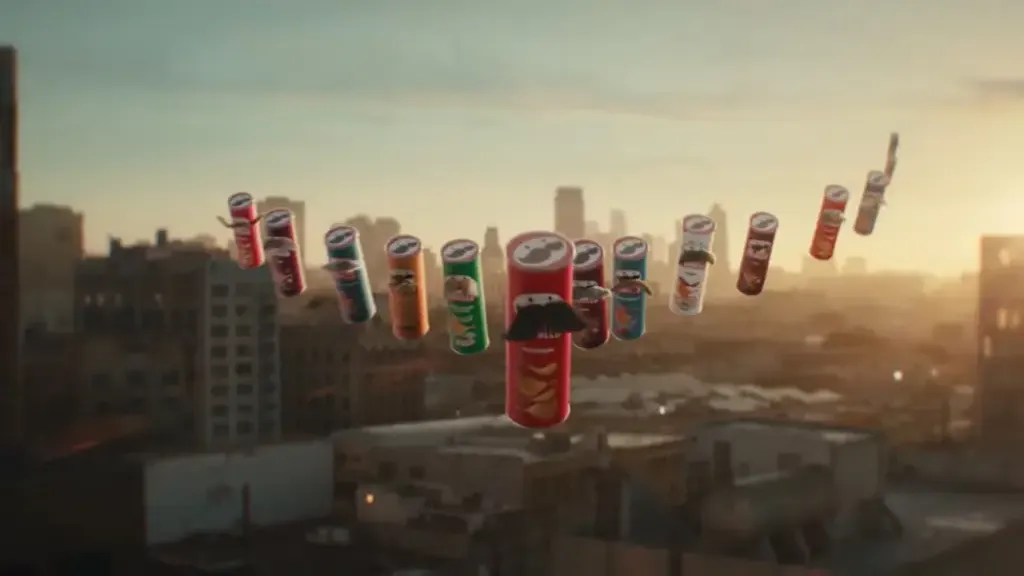
When flying mustaches make more sense than playing it safe: Breaking the rules to build a Brand Let’s get one thing straight: this campaign should not have worked. On paper, it sounds completely unhinged. A man at a Super Bowl party runs out of Pringles. He blows into an empty can like it’s a medieval war horn. In response, facial hair detaches from the faces of celebrities and flies (yes, flies!) across the country to deliver snacks. I’ve worked in marketing for nearly two decades, and I’ve seen everything. But this? This was a whole new flavor of weird… And it was brilliant! Because against every rule we’re taught, The Call of the Mustaches didn’t just stand out, it sold. The ad landed among the top 1% of Super Bowl campaigns in 2025. It drove an 8.4% spike in unit sales. It sparked conversations online and off. And most importantly, it did what few ads manage to do: it made people care. Not about the flavor. Not about the price. But about the brand. So, let’s talk about why… Because if you’re in marketing, or building a brand, launching a startup, or just trying to get attention in a crowded room, there’s something here for you. Something about risk. About weirdness. About knowing when to throw out the playbook and just fly the mustache. Playing It Safe Doesn’t Sell Let me start with a confession: I’ve written my share of safe campaigns. Neatly structured taglines. Clean visuals. Feature-led messaging that ticks all the boxes. The kind that gets polite nods in client meetings and lands in-market with a gentle thud. We do this because it’s comfortable. Because weird feels risky. Because we’re taught marketing is about clarity and consistency, and those things matter. Pringles didn’t play it safe. They went surreal. They picked absurdity over logic, storytelling over specs, and joy over convention. And it worked. The ad wasn’t just about chips. It was about that moment when a party grinds to a halt because the snacks run out. The minor panic. The awkward silence. The fantasy of a flying mustache saving the day. It turned a relatable moment into brand theatre. And the weirdest part? It didn’t just entertain. It moved product. Why Now? Context Matters At the time, Pringles wasn’t exactly winning the snack aisle. Their dollar share was hovering at 3.4%, well behind Lay’s (13%) and Cheetos (6.7%). Mr. P, their iconic mascot, had faded into near-background noise. Competitors were launching new flavors every quarter, building hype with Gen Z influencers, and making snack food cultural. Pringles needed to shake things up. But they didn’t try to outshout the competition. They sang a stranger tune. They went inward, found their quirkiest asset, the mustache, and built the entire campaign around that. FCB New York pitched something wild, and Pringles said yes. That choice, to bet on a wild creative idea rather than tweak another version of “now crispier than ever,” made all the difference. And it paid off with interest. The Campaign: Anatomy of a Mustache Takeover Airing in the second quarter of Super Bowl LIX (prime placement, at $7–8M per 30 seconds), the ad featured Adam Brody discovering an empty can of Pringles. He blows into it like a horn. Cue chaos: mustaches detach from famous faces and fly across the country. The mustaches zoom to stores, attach themselves to fresh Pringles cans, and fly back to the party. It’s absurd. And delightful. Online, a longer 1:13 version pushed the weirdness further. Campy music. Extra celebrity moments. The jingle? A parody of the 1960s Batman theme: “Na na na na… mustache!” Weeks before the Super Bowl, redesigned cans featuring mustache silhouettes hinted at the campaign. Fans were encouraged to guess which celebrities would feature. It created curiosity and engagement before the main event. Food creators like Meredith Hayden and Vic Blends were brought into the mix. The campaign wasn’t confined to TV. It lived across social, in-store, YouTube, TikTok, and influencer content. The team even integrated “mustache transformations” and branded makeovers to generate real-world moments that made their way online. To land the joke (and the sale) Pringles dropped two new flavors as part of the campaign: Loaded Potato Skins and Miller Lite Beer Can Chicken. The flavors were visible in the ads and immediately available in stores. Returning fan-favorite 7-Layer Dip was also reintroduced. This wasn’t just storytelling. It was storytelling with a SKU. Why It Worked: A Deeper Look Most brands would keep the mascot static. Pringles made Mr. P’s mustache the star. It moved. It took action. It carried meaning. Too often, brand assets sit idle. Pringles showed how to make a symbol do something. There’s a difference between weird for weird’s sake and weird that comes from a real insight. Running out of snacks mid-party is a real tension. The mustache? That’s how Pringles solved it, in their universe. Weirdness with logic is memorable. Weirdness without it is noise. This wasn’t just gag humor. It had references (Batman theme). It had sentiment (Andy Reid’s farewell glance). It had moments that stuck. It was written with layers, not punchlines. Celebrities weren’t just tacked on. They made sense. Offerman, Harden, Reid, all iconic mustaches. No square pegs. Just the right faces for the story. People knew something was coming. The payoff was worth it. Teasers didn’t spoil the surprise; they built the appetite. And more importantly, they made people part of the game. Too many campaigns treat the Super Bowl like the finish line. Pringles treated it like the beginning. That gave the whole effort longer legs. And legs matter when your mascot flies. The Numbers Don’t Lie Let’s ground all this in data: For a snack brand that was fourth in line for shelf space? That’s serious movement. What It Means for the Rest of Us You don’t need a Super Bowl budget to apply the thinking behind this campaign. The tactics may be high-end, but the strategy is universal: 8 Lessons

When flying mustaches make more sense than playing it safe: Breaking the rules to build a Brand Read More »

When the chicken crossed the road (and then didn’t): A masterclass in owning your mistakes

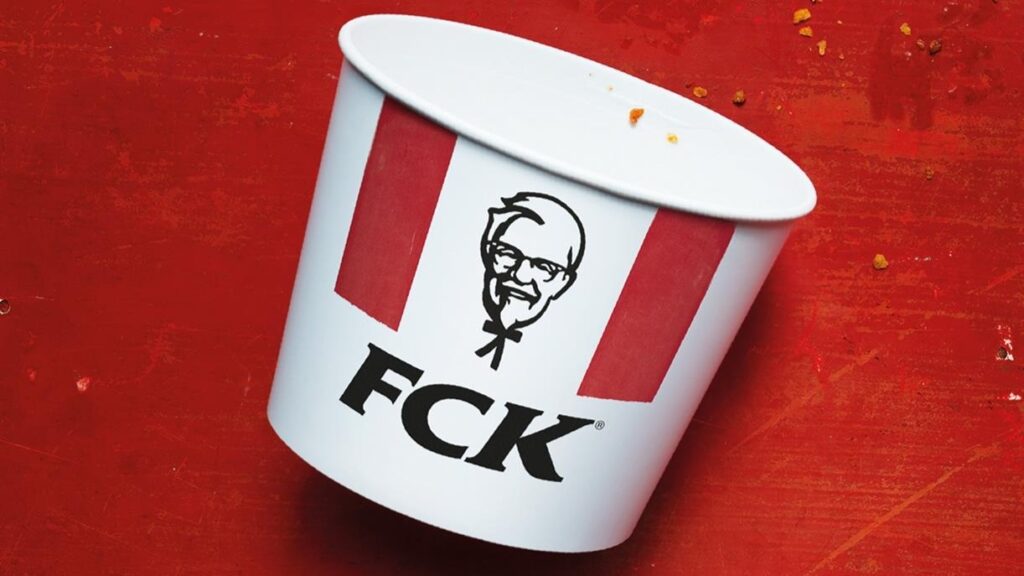
When the chicken crossed the road (and then didn’t): A masterclass in owning your mistakes Let’s rewind to February 2018. The air in the UK was usually buzzing with the aroma of fried chicken. But something was… off. For millions of Brits, their beloved KFC, that comfort food staple, was suddenly, shockingly, out of chicken. Imagine the horror! Hundreds of restaurants shut down, customers were bewildered, and social media, as it always does, erupted. You might be thinking, “A chicken shortage? Really? How bad could that be?” Well, try telling that to someone craving their Zinger meal after a long day, only to find their local KFC dark and deserted. It was, frankly, a bit of a cluck-up. The Unthinkable Happens This wasn’t some minor hiccup. It was a crisis of epic proportions for a brand built on serving fried chicken. The problem? A switch in delivery partners. KFC had moved from Bidvest Logistics to DHL, aiming for efficiency. What they got instead was a logistical nightmare. Mismanagement, miscommunication, and simply not enough drivers led to fresh chicken being stranded in depots, unable to reach the restaurants. The consequences were immediate and dramatic. Over 700 of KFC’s 900 UK and Ireland stores were forced to close their doors. For a brand that relies on consistent product availability, this was a body blow. The internet, predictably, had a field day. Memes proliferated, outrage simmered, and the brand’s reputation hung in the balance. People weren’t just missing their chicken; they felt let down. The Apology That Broke the Internet (and Rebuilt a Brand) So, what do you do when you’re a chicken company with no chicken, and the entire nation is talking about your supply chain woes? Most companies would issue a carefully worded, corporate-speak press release, full of buzzwords and evasive language. They’d probably blame external factors or promise to “do better.” KFC did something different. Something bold, brilliantly simple, and utterly disarming. They ran a full-page print advertisement in two of the UK’s most widely read newspapers, The Sun and Metro. It featured an empty KFC chicken bucket. Below it, in big, bold letters, were the letters “FCK.” Yes, you read that right. “FCK.” Rearranging the letters of their own brand name into a widely understood expletive. It was audacious. It was risky. And it was pure genius. Beneath the rearranged letters was the copy. And this is where the magic truly happened. It wasn’t a sterile apology. It was humble, humorous, and genuinely sorry. It admitted their mistake, without equivocation. “A chicken restaurant without any chicken. It’s not ideal,” the copy began. “Huge apologies to our customers, especially those of you who traveled out of your way to find we were closed. And to our team members, who’ve had to bear the brunt of it.” They explained the problem (briefly and clearly), promised to fix it, and ended with a plea for patience. It was transparent, accountable, and completely human. The Ripple Effect: From Crisis to Conversation Starter The ad went viral faster than you can say “11 herbs and spices.” It was shared across every social media platform imaginable. News outlets picked it up, not as a condemnation of KFC’s failure, but as a celebration of their incredible response. The numbers tell a compelling story. This single print ad, designed to acknowledge a massive operational failure, generated an astonishing 700+ articles globally, reaching an audience of nearly 800 million people. On Twitter alone, the campaign generated 8.6 million impressions in just three days. More importantly, it shifted the narrative. Public sentiment, initially boiling with frustration, began to turn. YouGov BrandIndex, a measure of public perception, saw KFC’s positive attention score climb from a mere 7% before the ad to 29% afterward. Their net positive sentiment (how many people had a favorable view minus those with an unfavorable one) surged from a negative 17% to a positive 31%. This wasn’t just about PR; it was about trust. When a brand admits its vulnerability and does so with wit and candor, people respond. They see authenticity. They see humanity. It changed the conversation from “KFC messed up” to “KFC messed up, but wow, look how they owned it!” The Financial Fallout and the Ultimate Comeback Now, let’s be realistic. A brilliant apology doesn’t instantly make chicken appear in empty restaurants. The chicken shortage had a real, tangible financial impact. In the short term, sales declined. Same-store sales growth fell by 6.8%. Turnover sales for the UK operations dropped significantly, from £445.7 million in 2017 to £207.3 million in 2018. Profit after tax decreased by 27.8%. This shows you that even the best marketing can’t solve a fundamental operational failure immediately. But what it can do is protect and rebuild your brand’s reputation, creating the space for recovery. And recover they did. By 2019, KFC’s UK market share actually increased from 7.3% in 2017 to 8.1%. This suggests that while there was a hit, the loyal customers returned, and perhaps new ones were even drawn in by the brand’s newfound honesty and courage. Industry Accolades: When Apologies Win Awards The “FCK” campaign wasn’t just a hit with the public; it was celebrated by the marketing and advertising industry. It picked up prestigious awards, including: These accolades weren’t just for a clever ad; they were for a strategy that demonstrated exceptional leadership, quick thinking, and a deep understanding of public sentiment during a crisis. 5 Crispy Key Takeaways Having spent years observing businesses, the KFC “FCK” campaign offers some profound lessons. Here are my top five, for you: 1. Own Your Mistakes, Completely and Quickly: When you mess up, you have two choices: obfuscate or admit. KFC chose the latter, and it paid off. Don’t hide behind corporate jargon or blame others. A genuine, unreserved apology, delivered swiftly, disarms critics and builds respect. It’s like clearing the air after a small disagreement, the sooner you do it, the less awkward things become. Remember, silence often speaks louder than words, and in

When the chicken crossed the road (and then didn’t): A masterclass in owning your mistakes Read More »