The Strategy Spotlight

Blog

Your blog category

The hidden trap in A/B testing: How survivorship bias skews your marketing results.

The hidden trap in A/B testing: How survivorship bias skews your marketing results. In marketing, we love a good winner. The subject line with the highest open rate, the Facebook ad with the lowest cost per click, the CRM email that tripled conversions. We celebrate these wins, hold them up in pitch decks, and tell ourselves they’re proof of what works. Success becomes the story we tell. But here’s the thing: if you only focus on the winners, you’re falling into a classic cognitive trap: survivorship bias. This bias sneaks in when we base our decisions only on the campaigns that performed well, ignoring the ones that didn’t. It’s like judging a cooking contest by only tasting the dishes that made it to the finals. You’re missing out on everything that went wrong in the kitchen. And that’s where the real lessons are. Understanding survivorship bias Survivorship bias is the mistake of looking only at outcomes that “survived” a process. It creates a false picture of reality by excluding failures. Abraham Wald famously corrected this during WWII by showing the military that the real vulnerabilities of planes were in the parts where returning aircraft had no bullet holes. Because those hit in critical spots didn’t make it back. In business and marketing, this kind of thinking is just as dangerous. It leads to copying what appears to work while ignoring the full context and complexity underneath. You end up optimizing for outcomes that may not be reproducible. Or worse, misleading. Where It Shows Up in Marketing Five Ways to Keep Yourself Honest Final Thoughts A/B testing isn’t magic. It’s messy, iterative, and if you’re not careful, deceptively biased. Survivorship bias tricks you into thinking you’ve found the answer when really, you’ve found an answer. One slice of a bigger pie. Marketing is full of ghosts. The tests we forgot. The campaigns we buried. The emails we never sent. Ignoring them doesn’t make you smarter. It just blinds you. You can’t optimize what you pretend didn’t happen. Don’t build your strategy on half the story. Pay attention to what flopped, flailed, and fell flat. That’s where the truth lives. That’s where your edge is. Because when you see everything, you make decisions that actually work. Durable decisions. Smart, repeatable decisions. And in a world full of noise, that’s how you really get ahead. With your eyes wide open, your ego turned down, and your learning turned way up.

The hidden trap in A/B testing: How survivorship bias skews your marketing results. Read More »

Proudly second best: How IKEA won hearts by stepping aside

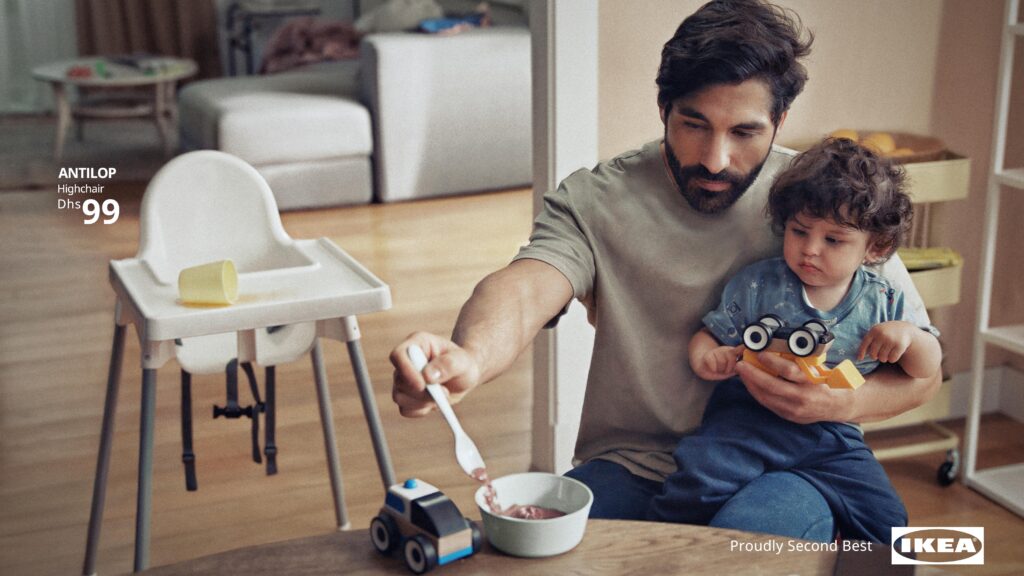
Proudly second best: How IKEA won hearts by stepping aside Let’s face it, most brands are obsessed with being number one. Top shelf. Industry leader. Best-in-class. That kind of thing. So, when a global furniture giant publicly declares that it’s proudly second best? You stop and take notice. That’s exactly what IKEA did. And not as a gimmick, but as a masterstroke of emotional storytelling, humility, and brand confidence. The “Proudly Second Best” campaign launched in 2023 across the UAE, Qatar, Egypt, and Oman. Within weeks, it became one of the most talked-about and awarded marketing campaigns in recent years. It’s rare that a brand message hits the head, heart, and gut all at once. IKEA’s campaign did just that. It wasn’t loud. It wasn’t flashy. It was quietly brilliant. This is the story of how IKEA made itself smaller to make something bigger: love. The Big Idea behind being second At first glance, the premise seems counterintuitive. IKEA, a company that sells baby cots, high chairs, and feeding gear, chose to highlight something that wasn’t their product: the bond between parent and child. Each ad in the campaign featured IKEA’s baby products quietly sitting in the background, while a child slept on a parent’s chest or was fed directly from a spoon, cradled in arms. The message? No product, no matter how smartly designed, can replace the comfort of a parent’s touch. “We’re proud to be second best,” the ads proclaimed. Because first place belongs to Mom and Dad. This campaign was developed by INGO Hamburg and DAVID Madrid and executed by Al-Futtaim IKEA in the Middle East. The creative team leaned into one powerful insight: love doesn’t need a product to exist, but a good product can make the moment a little easier. They didn’t try to be clever. They chose to be sincere. And it worked. Context matters: Why now? Modern parenting is noisy. Social feeds are flooded with “perfect” nurseries and parenting hacks. Brands often barge in with claims that their product is the answer to every sleep regression or tantrum. IKEA went the opposite way. Instead of centering the product, they centered real moments, and gently showed how their products fit around them. It felt honest. It felt human. And in a market full of hype, that kind of authenticity cuts through. More importantly, it tapped into a truth every parent knows: a cot might be ergonomic, but sometimes the only place your baby wants to sleep is on you. In this cultural moment where everyone’s shouting louder to get attention, IKEA dared to whisper. And guess what? That whisper carried. Crafting the message (And why it worked) A great campaign starts with a great insight. But how you bring it to life is where the magic happens. The production, led by director Michelle Cassis, was deliberately crafted to feel raw and real. Lighting was natural. The actors weren’t stiff. There were no overproduced nursery shots. Just little moments that looked like they were pulled straight from a new parent’s camera roll. It was emotional storytelling without sentimentality. Real without being gritty. Intimate without being intrusive. One standout spot features a baby sleeping peacefully on a father’s chest while the IKEA crib sits untouched nearby. The shot lingers long enough for the viewer to smile. Then the line appears: “Proudly Second Best.” There’s no sales pitch. No discount. No urgency. No aggressive CTA. Just truth. And that truth spoke volumes. The visual restraint mirrored the emotional restraint. The confidence of a brand that doesn’t need to be the hero to sell a crib. The impact was immediate The campaign wasn’t just a creative darling, it delivered real impact. Within months, the campaign: But numbers only tell part of the story. The deeper impact? Emotional resonance. Social media lit up with comments from parents who felt seen. There was pride. There was nostalgia. There was respect for a brand that knew when to speak and when to step aside. Many shared their own “second best” moments: late-night feeds, naps on dad’s chest, mashed banana everywhere but the spoon. IKEA gave them a mirror, not a megaphone. What I Learned From IKEA’s Bold Move After 15 years of helping businesses shape their messaging, here’s what stood out to me: 1. Humility in branding is rare and powerful. Admitting that you’re not the most important part of your customer’s life takes guts. But when you do, people trust you more. It doesn’t diminish your value, it enhances your relevance. 2. You don’t always need to shout. This campaign whispered. And that whisper echoed far louder than most screams. It didn’t beg for attention. It earned it. 3. Emotion is the shortcut to memory. We remember how things make us feel. IKEA didn’t try to sell us something, we felt something instead. That’s what sticks. That’s what gets shared. 4. Let the product take the back seat, sometimes literally. By placing their products in the background, IKEA made them feel quietly essential. There when you need them, invisible when you don’t. Not every product needs to be the star of the show to be memorable. 5. When the message is true, people listen. The authenticity here was undeniable. You can’t fake that. People know. And once they trust your voice, they’ll follow you anywhere. Why this campaign matters to marketers If you’re in marketing or brand strategy, here’s the real takeaway: And honestly? That’s the kind of thinking I wish more brands had. It’s also a refreshing change of pace in a culture that rewards being the loudest voice in the room. The bigger picture: Second best is a strategy What’s fascinating about this campaign is that it reframes the idea of “best.” In most boardrooms, “second” sounds like failure. But IKEA leaned into it and turned it into a connection. They said, “We know where we stand. And we’re proud of that.” That self-awareness gave them authenticity. And that authenticity gave them cut-through. Suddenly, second place wasn’t

Proudly second best: How IKEA won hearts by stepping aside Read More »

Let’s talk marketing messaging strategy: Understanding UVP, USP, and RTB

Let’s talk marketing messaging strategy: Understanding UVP, USP, and RTB Marketing messaging can feel like corporate Scrabble. UVP. USP. RTB. Everyone’s nodding like they know exactly what each one means, while secretly wondering if they’re using them correctly, or if they’re just marketing buzzwords to sprinkle into PowerPoint decks. But here’s the truth: these acronyms, while small, carry a serious punch. They’re not just fluffy filler. They shape how your brand speaks, how your prospects perceive you, and ultimately, how many people convert. In my 15 years working across dozens of industries, from startups to seasoned enterprises, I’ve seen what happens when a brand nails these. It’s like tuning a guitar. Suddenly, everything just sounds right. On the flip side, when your messaging is off, your audience might smile politely…and click away. So let’s unpack this in plain English. Quick Definitions (No MBA Required) UVP – Unique Value Proposition: This is the overarching promise you make to your customer. It answers, “What value do we deliver?” It’s your bold, clear, top-level statement of relevance. USP – Unique Selling Proposition: Zoom in a bit, and you get the USP. This one answers, “Why should they choose you over someone else?” It’s that sharp edge, the differentiator. RTB – Reason to Believe: Now we’re getting into credibility. RTBs are the reasons someone should trust your UVP and USP. They’re the receipts, the data, the proof points. Because claiming to be “the best” isn’t enough. You’ve got to show them why. Think of it like this: Each piece builds on the other. A Real-Life Metaphor: Coffee Shops Imagine three coffee shops on the same street. A strong brand does all three. Why This Isn’t Just Wordsmithing When these three are crafted well, the rest of your marketing strategy becomes ten times easier. Your website copy, ad campaigns, email funnels, they all click. I worked with a SaaS client last year who had all the right features, but flat messaging. After refining their UVP and pairing it with clean RTBs, we saw a 36% lift in homepage conversions. No design changes. Just clearer language. Messaging isn’t about sounding fancy. It’s about making sense. Quickly. And when B2B buyers now report spending just 17% of their decision-making time with sales reps (Gartner), your message has to work hard before you ever get to talk. How to Build a UVP That’s Not Wallpaper Most UVPs sound like they were born in a boardroom and raised by committee. That’s why they flop. Here’s how to write one that resonates: Some great UVP examples: They’re all rooted in a clear outcome. You know instantly who they’re for and why they matter. Crafting a USP That Cuts Through the Noise If UVP is the hook, USP is the spotlight. It’s your standout point, the reason people say “yes” to you and not someone else. Standout USPs in action: You don’t need to be loud. You need to be different and credible. RTBs: The Proof Behind the Pitch Here’s the part where trust is earned. RTBs don’t have to be flashy, but they must be present. 1. Quantify where you can. Numbers reduce doubt. Think: 2. Use borrowed trust. Cite known brands or third-party validations: 3. Leverage real voices. Testimonials, case studies, screenshots, they all humanize your pitch. Bonus tip: Use visuals. Logos, numbers, and video clips grab faster than paragraphs ever will. A Quick Case Study: Calm Let’s look at how a wellness app does this: See the layering? Clear value. Sharp positioning. Solid proof. No fluff. 5 Things I’ve Learned From 15 Years in Marketing Messaging Your customer will never ask for “better messaging.” But they’ll act when you write it. The moment you get clever, you lose 80% of your audience. One good message is worth ten mediocre ones. Your team should be able to recite it in their sleep. Good messaging won’t fix a bad product. But it’ll expose a good one faster. A Parting Thought The best marketing doesn’t shout. It connects. When you get your UVP, USP, and RTB working together, they become your sharpest tools. They cut through noise. They attract the right people. They build trust. This isn’t just strategy. It’s common sense, made specific. And when done right, it works. So go ahead, pull up that messaging doc, grab a strong coffee, and get clear. Because clarity? That’s what sells.

Let’s talk marketing messaging strategy: Understanding UVP, USP, and RTB Read More »

“Pass the Heinz”: When the Ketchup Dreams of a Mad Man Became Delicious Reality

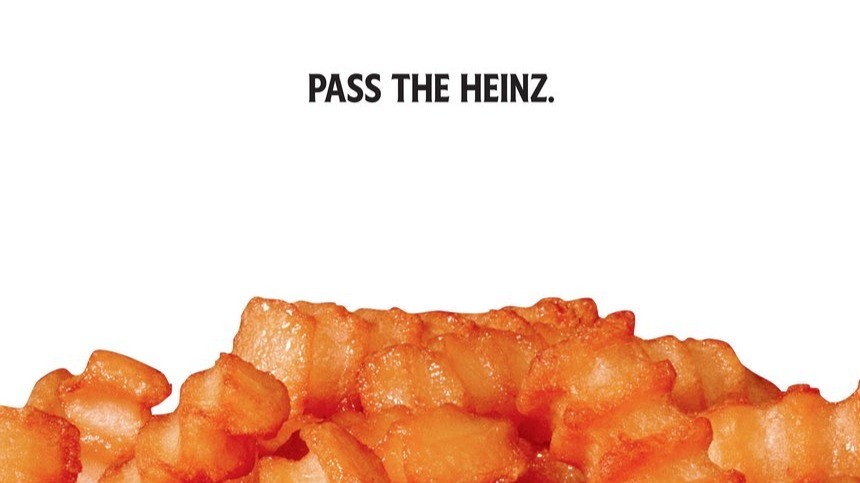
“Pass the Heinz”: When the Ketchup Dreams of a Mad Man Became Delicious Reality Think about those moments when you’re watching a TV show, and something just sticks with you. Well, that’s kind of what happened with this whole “Pass the Heinz” thing. In the cool, stylish world of the TV show Mad Men, where they drink a lot of cocktails and come up with big ad ideas, there was this one idea that was so simple, it was almost funny. The main character, Don Draper, who’s supposed to be a super-smart ad guy, pitched this campaign to Heinz. His idea was to show really close-up pictures of delicious food, think crispy, golden French fries or a juicy, perfectly cooked steak. But here’s the funny part: there was no ketchup in the pictures! Just the food, looking like it was waiting for something. And the only words were “Pass the Heinz.” It was like showing a superhero without their special suit , you knew something important was missing, and that missing thing was Heinz ketchup. It was a way of saying, without actually saying it, that these foods just aren’t right without their Heinz. Now, in the story of the TV show, the people at Heinz didn’t get it. They thought it was too weird and wouldn’t work. They probably thought, “Where’s the bottle? Where’s the happy family?” But guess what? This rejected, made-up ad idea was actually brewing in the minds of people who watched the show, waiting for its chance to become real. How a TV Show’s “No Thanks” Turned into a Real “Yes!” for Heinz Fast forward a few years to 2017. Someone at Heinz (maybe a big fan of Mad Men who also really loved ketchup) had a brilliant thought. They teamed up with a smart advertising company called David Miami and decided to take Don Draper’s fictional idea and make it a real thing. They created actual ads with those same close-up shots of food, looking longingly at the empty space where the ketchup should be. And they used that simple, powerful line: “Pass the Heinz.” These ads started popping up in New York City on big billboards you see on the street and in printed magazines. What made it even cooler was that the ads gave credit not just to the real ad company, David Miami, but also to the fake one from the TV show, Sterling Cooper Draper Pryce, and even to the fictional Don Draper himself! This was a really clever and funny way to do it. It got loads of attention from the news and made everyone who saw it think, “Wait, is this for real?” It was like the TV show had jumped out and touched real life. The Clever Trick: Making You Want What You Don’t See So, why did these ads, which didn’t even show the product, work so well? It’s all about a little thing called suggestion. By not showing the famous red bottle of Heinz, they actually made you think about it even more. It’s like when you see a burger without cheese , your brain automatically fills in the cheesy goodness. These ads did the same thing with ketchup. You saw the fries, and your mind went, “Ah, they need Heinz!” This also plays on the idea that sometimes, less is more in advertising. Instead of showing you the same old pictures of people happily squeezing ketchup onto their food, they did something unexpected. They trusted that people were smart enough to understand the message without being shown everything. It’s like they were saying, “We know you know our ketchup is the best thing for these foods.” More Than Just Selling Ketchup: How It Made People Think This “Pass the Heinz” campaign was more than just a way to sell more ketchup (though I’m sure Heinz was happy about that!). It started a real conversation. People began talking about how advertising works, how much TV shows and movies can influence what we think, and how sometimes what’s fake can become a part of real life. It also showed that a big company like Heinz was willing to be a bit playful and try something really different to get people’s attention. It made them seem more interesting and human. Some Cool Things We Can Learn from This Ketchup Story Wrapping It Up: A Clever Idea That Became Real The “Pass the Heinz” campaign is a great example of how a creative idea, even one that started as a joke in a TV show, can have a real impact. Heinz was brave enough to try something unusual, and it paid off. They not only honored a beloved TV show but also made their brand feel fresh and interesting again. It reminds us that sometimes the best ideas are the ones that make us look at things we know in a new and surprising way. And personally? It always makes me want a big plate of fries with a generous dollop of Heinz. Mission accomplished, Don Draper, even if you’re not real!

“Pass the Heinz”: When the Ketchup Dreams of a Mad Man Became Delicious Reality Read More »

How Marketing Automation Can Help Startups Scale

How Marketing Automation Can Help Startups Scale Let’s be honest: startups don’t lack ambition. They lack time, hands, and sometimes, sleep. If you’re juggling product, funding, customers, emails, socials, and about 147 other tasks before lunch… I see you. Now, imagine cloning yourself. But the clone doesn’t complain, works 24/7, and remembers to follow up with every lead. That’s automation. Marketing automation, specifically. And if you’re thinking, “Yeah, that sounds nice, but I’m not running Salesforce over here,” don’t worry. You don’t need a fancy tech stack or a team of engineers. What you do need is a clear strategy and the right tools, and I’ve seen this firsthand. Over the last few years consulting startups, I’ve watched automation take tiny, scrappy teams and give them the firepower of a mid-sized marketing department. Not overnight. Not with magic. But consistently, and with results that can’t be ignored. So, let’s break it down. So… What Exactly Is Marketing Automation? It’s what happens when your emails write themselves, your ads get smarter on their own, and your leads are nurtured while you’re sipping coffee (or scrambling to fix a product bug). Technically speaking, marketing automation refers to software that manages marketing processes and campaigns across multiple channels automatically. We’re talking email, social media, ads, lead scoring, CRM updates…you name it. In plain English? It helps you do more, faster, with fewer mistakes and without needing to be everywhere at once. Why Startups Should Care (Like, Really Care) Startups are notorious for doing things manually in the early days. And that’s fine… until it’s not. Manual tasks = burnout. Missed opportunities. Leads that go cold. Customers who never hear from you again after signing up. Here’s what automation can fix: Want some numbers? (Read that again: Four. Hundred. Fifty. One. Percent.) The Human Side of Automation Let’s squash a myth real quick: automation isn’t about removing the human touch. It’s about amplifying it. You’re not replacing conversations with robots. You’re making sure your potential customer gets a relevant message before they forget who you are. Used right, these moments feel personal. Like someone’s paying attention. And in a sea of noise, that matters. But First, a Quick Warning… Automation is not a fix for a broken strategy. If your messaging is off, or your audience targeting is vague, or your content is meh… automation will just spread that faster. So, start with clarity: Then—and only then—bring in automation to scale it. Tools I Recommend Let’s talk gear. You don’t need a monster stack. You just need the right fit for your stage. Here are five I’ve seen work wonders for early-stage startups: 1. HubSpot Marketing Hub Think of it as your marketing Swiss army knife. CRM, emails, workflows, landing pages, it’s all there. Great for startups because you can start free and grow from there. 2. ActiveCampaign Killer for email sequences and customer journeys. The UX can feel a bit dense, but once it’s set up, it works like a charm. 3. Mailchimp Yeah, the monkey mascot is cute, but Mailchimp’s automations are solid for small teams. Plus, it’s beginner-friendly without sacrificing power. 4. Zapier This one’s the duct tape of the internet. It lets you connect different tools (e.g., when someone signs up on Typeform, send them an email via Gmail, update your CRM, and Slack your sales guy). Magical stuff. 5. Pipedrive with Marketing Add-ons If you’re sales-driven, this combo can give you visibility on the full funnel. Plus, automations here tend to be simpler to set up. There are dozens more. But honestly? These five cover 90% of use cases for most early teams. 5 Things I’ve Learned (Sometimes the Hard Way) 1. Don’t Automate Chaos If your backend is messy, automation won’t save you…. it’ll just create more mess, faster. Get your basics in place before layering on complexity. 2. Start Small, Scale Fast You don’t need 47 email sequences on Day One. Start with one or two high-impact workflows: welcome emails, lead capture follow-ups. Then build from there. 3. Use Your Voice Templated messages won’t cut it. Write like a human. Speak like you would in real life. It makes a difference, and no one likes feeling like they’re talking to a chatbot. 4. Measure What Matters Clicks are nice. Opens are flattering. But conversions? Revenue? Retention? That’s what you should watch. Automation should move the needle, not just make you feel busy. 5. You’ll Break Stuff. That’s Okay. Everyone’s sent an email to the wrong list or triggered a campaign twice. It happens. Don’t let a small error scare you off. Fix it, learn, move on. What Success Actually Looks Like Let me paint you a picture. One of the startups I advised had a three-person team. Their entire marketing process was manual: Google Sheets, Gmail, and panic. They were spending hours each week just following up with demo requests. We implemented one automated lead capture flow, a five-email welcome sequence, and a Slack alert when a lead hit a certain score. Within 60 days? No extra hires. No added stress. Just smart systems doing the heavy lifting. But Don’t Automate Everything Here’s the nuance: not everything should be automated. Some moments need a human reply. A thoughtful answer. A personal touch. Customer complaints. Custom quotes. Delicate feedback. These are not use-cases for robots. So be strategic. Automate what’s repeatable. Personalize what matters. A Few Final Nuggets Test your automations before you set them loose. Yes, actually send them to yourself. Keep an eye on tone: automated messages should sound like you, not like someone in a suit at a software conference. Update your sequences every few months. Markets shift. Your messaging should too. Don’t automate for the sake of it. Always ask: will this save me time or improve the experience? You’re Still the Driver. Automation’s Just the Engine. You don’t need to be a tech wizard. You don’t need a big team. But you do need a clear plan, decent tools, and the willingness


How Marketing Automation Can Help Startups Scale Read More »

Liquid Death: The Water Brand That Killed Boring Marketing

Liquid Death: The Water Brand That Killed Boring Marketing Imagine you’re at a concert, the music’s electrifying, and you’re thirsty. You reach for a drink, but instead of the usual plastic bottle, you grab a tall, edgy can that looks more like a craft beer than water. That’s Liquid Death for you, a brand that’s transformed the simple act of drinking water into a rebellious statement. From Humble Beginnings to a $1.4 Billion Valuation Founded in 2017 by former skateboarder and advertising pro Mike Cessario, Liquid Death set out to make water cool. By 2023, the brand had surpassed $250 million in sales, and a $67 million funding round in March 2024 catapulted its valuation to a staggering $1.4 billion. Not bad for a company selling mountain water in a can, right? But Liquid Death wasn’t born from a boardroom brainstorming session. It started as an idea rooted in counterculture. Cessario saw how energy drinks, craft beers, and even sodas had strong, personality-driven branding, while water was stuck in a cycle of bland wellness messaging. He wanted to disrupt that, to make drinking water feel as badass as chugging a beer at a punk rock show. Breaking the Mold with Unconventional Marketing Liquid Death didn’t just enter the market; it stormed in with a sledgehammer. Traditional water brands often play it safe with serene images of nature and purity. Liquid Death? They went full punk rock. Their motto, “Murder Your Thirst,” and their skull-laden cans scream rebellion. Their marketing stunts are the stuff of legend. Remember the “Greatest Hates” album? They took actual hate comments from critics and turned them into a death metal album. Talk about turning lemons into lemonade….or in this case, water into… well, you get it. Then there’s their infamous stunt where they sold cases of water with “contracts” requiring customers to sell their souls to Liquid Death. Over 100,000 people signed up. It was ridiculous, hilarious, and perfectly aligned with their brand. They even released an adult coloring book called “Murder Your Thirst: A Coloring Book for Psychos,” leaning further into their dark humor. The result? Millions of engagements, shares, and, ultimately, purchases. Social Media Savvy In today’s digital age, a brand’s online presence can make or break it. Liquid Death mastered this game by creating content that’s not just promotional but genuinely entertaining. Their darkly comedic sketches and collaborations, like the one with Amazon Prime’s “The Boys,” have made them the most-followed water company on TikTok and Instagram. But beyond just going viral, Liquid Death understands that social media is about fostering a community. Their fans feel like they are part of a movement, not just consumers of a product. Memes, hilarious comment replies, and interactive campaigns ensure their audience stays engaged. For example, they launched a campaign called “Cutie Polluties,” where they designed adorable plush toys based on plastic pollution, complete with sad little eyes. It was a punchy way to address environmental waste while staying true to their offbeat humor. Environmental Commitment with a Twist Beyond the edgy branding, Liquid Death has a serious side. They’re committed to reducing plastic waste, opting for recyclable aluminum cans over plastic bottles. Campaigns like “Sell Your Soul” cleverly combined their irreverent humor with environmental activism, resulting in significant donations to beach clean-ups. To hammer home their anti-plastic stance, they even created a fake “plastic hydration company” called Plastic Death, complete with a website and a faux marketing video highlighting the absurdity of the plastic water bottle industry. It was another example of how they use satire to push a message. Expanding the Brand Beyond Water Liquid Death isn’t stopping at water. They’ve expanded into flavored sparkling water and, most recently, an iced tea line. But the branding remains consistent: bold, rebellious, and always a little outrageous. Their iced teas, for example, have names like “Armless Palmer” and “Rest in Peach,” keeping their signature dark humor intact. They’ve also leaned into merchandising, selling everything from t-shirts and hoodies to skateboards and even voodoo dolls. At this point, Liquid Death isn’t just a water company; it’s a lifestyle brand. Key Takeaways Final Thoughts Liquid Death’s meteoric rise is a testament to the power of bold branding and genuine connection with consumers. They’ve proven that even a product as basic as water can be reimagined and revitalized with the right mix of creativity, humor, and purpose. So, next time you’re sipping on a Liquid Death, remember: it’s not just water; it’s a revolution in a can.

Liquid Death: The Water Brand That Killed Boring Marketing Read More »

No Budget? No Problem!: 3 Amazing Examples of Rockstar Campaigns That Rocked

No Budget? No Problem!: 3 Amazing Examples of Rockstar Campaigns That Rocked What do you do when you’ve got a great idea but zero budget? Pack up and go home? Not a chance. Some of the best marketing campaigns in history didn’t rely on deep pockets, they relied on creativity, psychology, and a touch of boldness. Let’s break down three legendary campaigns that didn’t need millions to make millions: IKEA’s Sleepover, Dove’s Real Beauty Sketches, and The ALS Ice Bucket Challenge. These campaigns didn’t just grab attention; they created movements, conversations, and brand loyalty that lasted far beyond the initial buzz. 1. IKEA’s Sleepover: Because Who Doesn’t Want to Crash in a Furniture Store? Imagine this: You’re binge-watching a reality show, and suddenly, IKEA slides into the conversation, not because they placed an ad, but because they literally let people have a sleepover in their store. That’s exactly what happened in 2011 when IKEA UK turned a random Facebook request into marketing gold. The Concept: A Facebook group called “I Wanna Have a Sleepover in IKEA” had about 100,000 members. IKEA saw an opportunity, invited 100 lucky fans for a night of pillow fights and bedtime stories, and threw in a sleep expert for good measure. The Experience: Attendees got to choose their own mattress, explore the store after hours, and participate in various fun activities designed to make them feel at home. Some even walked away with freebies, adding to the excitement. The Impact: Why It Worked: 2. Dove’s Real Beauty Sketches: The Gut Punch That Made Millions Cry (and Buy) Dove has long positioned itself as a champion of real beauty, but in 2013, they raised the bar. They brought in a forensic artist to sketch women based on their own descriptions, and then again based on how strangers described them. The result? The second sketch was almost always more flattering. The Concept: Women’s self-perception is often much harsher than how others see them. Dove turned that insecurity into a powerful emotional hook, proving their point in under three minutes. The Emotional Impact: The video showed women visibly moved by the contrast between how they viewed themselves and how others saw them. This raw emotional reaction struck a chord with millions, leading to widespread conversation about beauty standards and self-esteem. The Impact: Why It Worked: 3. The ALS Ice Bucket Challenge: When a Viral Trend Turns into a $115 Million Fundraiser The ALS Ice Bucket Challenge started as a small idea and became a global movement. The concept was simple: dump a bucket of ice water over your head, donate to ALS research, and challenge your friends to do the same. The Concept: One person’s challenge turned into another, and soon, celebrities, CEOs, and everyday people were drenching themselves for a cause. It became a game, a badge of honor, and a social media storm. The Celebrity Factor: From Bill Gates to Oprah, big names joined in, bringing even more attention to the cause. The viral nature of the challenge meant that each new participant brought fresh eyes to the campaign, amplifying its reach exponentially. The Impact: Why It Worked: 5 Key Takeaways from These Campaigns 1. Listen to Your Audience IKEA didn’t force a concept onto people: they paid attention to what customers already wanted. If people are already talking about you, engage instead of interrupting. Your next great campaign idea might already be out there, waiting to be noticed. 2. Make It Emotional Dove’s campaign didn’t focus on product features. It focused on a feeling. When people feel something, they remember you. Emotional marketing is powerful because it taps into human nature. People buy based on emotion and justify with logic. 3. Encourage Participation The Ice Bucket Challenge worked because it wasn’t passive. People wanted to take part. If you can make your audience the star, they’ll market your campaign for you. User-generated content is often more powerful than the slickest ad. 4. Think Beyond Traditional Ads None of these campaigns relied on big-budget commercials. Instead, they leaned on organic reach, social sharing, and earned media. Sometimes, traditional ads aren’t the answer. Think about how your brand can create moments that are worth talking about. 5. Timing and Simplicity Matter The best ideas aren’t always the most complex. The Ice Bucket Challenge was ridiculously simple. Dove’s concept was a three-minute video. IKEA’s sleepover was just an event. But the execution? Flawless. Timing matters, and a simple idea executed well can outperform a complex one. Final Thoughts Marketing isn’t about how much you spend: it’s about how well you connect. These campaigns prove that with a little creativity, smart storytelling, and the right timing, you can create something unforgettable. No million-dollar budget required. So, next time someone tells you you need a massive budget to make an impact, show them this list. Then go out there and prove them wrong. And who knows? Maybe your next big idea is already hiding in plain sight, just waiting for you to act on it.

No Budget? No Problem!: 3 Amazing Examples of Rockstar Campaigns That Rocked Read More »

The Death of Duolingo (and Why It Was Brilliant)

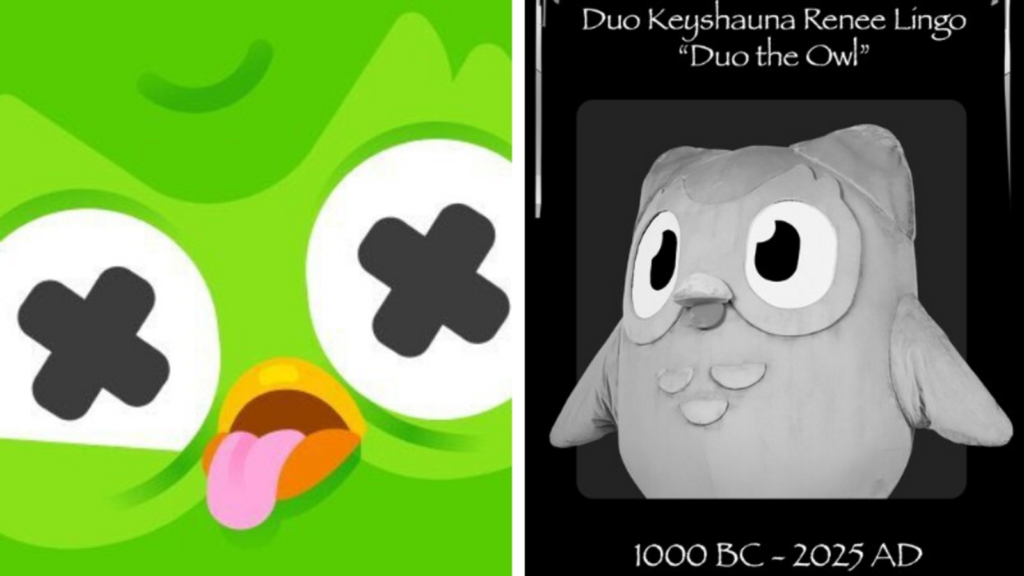
The Death of Duolingo (and Why It Was Brilliant) Marketing is supposed to follow rules. Build brand consistency. Protect your mascots. Stay within the lines. Duolingo? They threw that rulebook straight out the window. In February 2025, the language-learning app did something wild: they killed off their beloved (and slightly terrifying) green owl, Duo. At least, that’s what they led the internet to believe. The internet lost it. A Viral Funeral for an Owl Duolingo’s social media accounts went silent. Then, a cryptic message: Duo is gone. Suddenly, fans were left in mourning. TikTok flooded with tributes, Twitter (sorry, X) users debated the cause of death, and memes spread like wildfire. Some were devastated. Others… relieved? (Let’s be honest, that owl’s push notifications were borderline threatening.) Duolingo played along, releasing funeral-style videos, blacked-out profile pictures, and even eulogies. Influencers and media outlets jumped in, fueling speculation and amplifying the reach. Hashtags like #RIPDuo trended globally, and Reddit threads dissected every clue, treating it like a true crime mystery. The campaign spiraled into global trending status, racking up millions of interactions across platforms. Then came the plot twist: Duo wasn’t dead. He had faked his own death to go viral in Japan, where Duolingo was struggling to gain traction. The campaign tied into a Japanese cultural trend of fictional characters “disappearing” as part of marketing stunts. To cap it off, Duolingo released a dramatic “resurrection” video where Duo emerged triumphantly, complete with over-the-top anime-style visuals. The internet (predictably) lost it all over again. Genius? Absolutely. The Numbers Speak for Themselves The “death” of Duo wasn’t just attention-grabbing. It was a masterclass in creative marketing, turning a simple mascot stunt into a full-fledged global event. So, What Can You Learn From This? Here are five key takeaways from the campaign: 1. Branding Rules Exist (But the Best Brands Know When to Break Them) Duolingo didn’t just step outside the box. They set it on fire. Most brands play it safe, but safe doesn’t trend. By taking a calculated risk, Duolingo strengthened its irreverent, internet-savvy identity. They understood that their audience thrives on chaos, memes, and viral-worthy moments. This wasn’t a reckless stunt. It was a strategic move that reinforced their brand voice. They stayed true to the humor and absurdity their audience loves, something every brand should consider before taking risks. 2. Social Media Isn’t Just a Platform, It’s a Playground Duolingo doesn’t treat social media like a corporate bulletin board. They use it as an entertainment space, where engagement is driven by humor, absurdity, and pop culture. The key? They let their brand have a personality. A weird, slightly unhinged, deeply relatable personality. Brands that treat social media as an extension of customer service miss out on its real power: storytelling, entertainment, and emotional connection. It’s also a reminder that social platforms aren’t just places to distribute content; they’re spaces to create experiences. When brands interact in a way that feels human, the audience responds accordingly. 3. Virality Isn’t Just Luck, It’s Strategy The campaign looked spontaneous, but it was methodically planned. From the blackout phase to the “mourning” period to the big reveal, every step was designed to build suspense, fuel speculation, and maximize reach. They knew their audience would spread the content for them. Want viral marketing? Think past the post itself. Engineer moments that people want to talk about. The more interactive and shareable your campaign is, the higher its chances of success. 4. Global Expansion Requires Cultural Intelligence Killing off a mascot might have flopped in certain markets, but in Japan it made perfect sense. The campaign tapped into a local marketing trend, making it feel relevant rather than random. This wasn’t just a PR stunt, it was a calculated move to strengthen brand awareness in a new market. By understanding and leveraging regional trends, Duolingo ensured their campaign resonated with the right audience. Global brands can’t just copy-paste the same strategy everywhere. They need to adapt, research, and respect cultural nuances to connect effectively. A great campaign in one country can fall flat in another if the messaging doesn’t align with local sensibilities. 5. People Love a Good Plot Twist Predictability is boring. The internet thrives on surprises, reversals, and unexpected turns. Duolingo didn’t just announce a new feature or product. They built a story, turned it into an interactive experience, and made their audience part of it. If you want people to engage with your brand, don’t just give them information, give them a reason to care. And if you can throw in an unexpected twist? Even better. The best marketing campaigns feel like entertainment, not advertisements. Duolingo blurred the line between reality and fiction, ensuring their audience stayed engaged until the very end. Final Thoughts Marketing isn’t about playing it safe. It’s about knowing when to take risks that pay off. Duolingo could have launched another standard ad campaign. Instead, they “killed” their most recognizable brand asset, and ended up strengthening it in the process. The lesson? Creativity wins. Always. If a green owl can fake his own death and come back stronger than ever, imagine what a bold, well-executed campaign could do for your brand.

The Death of Duolingo (and Why It Was Brilliant) Read More »

Using ABM to Drive B2B Growth: The Smart Play for Smarter Sales

Using ABM to Drive B2B Growth: The Smart Play for Smarter Sales B2B marketing has a problem. Too many leads, not enough conversions. Sound familiar? Traditional demand generation casts a wide net, hoping for the best. Account-Based Marketing (ABM) flips that script. Instead of trying to attract everyone, you focus on the accounts that actually move the needle. The result? Higher deal sizes, shorter sales cycles, and better alignment between sales and marketing. It’s not just theory…companies using ABM see, on average, a 171% increase in annual contract value and 208% growth in revenue from their marketing efforts. That’s not pocket change. So, how do you get results like that? Let’s break it down. The Basics of ABM (And Why It Works) ABM isn’t some complicated magic trick. It’s about precision. Instead of throwing your budget at a vague audience, you invest in engaging the right decision-makers at the right companies. Think of it like fishing with a spear instead of a net. You identify your high-value accounts, personalize the outreach, and align sales and marketing to work as a single unit. The goal? Build stronger relationships, close bigger deals, and make your marketing efforts actually count. The Three Flavors of ABM ABM isn’t one-size-fits-all. Depending on your resources and goals, you can take different approaches: Companies like Snowflake and Adobe have mastered these strategies, crafting hyper-personalized experiences for their ideal accounts and seeing double-digit growth in conversion rates as a result. Real-World Results: What Happens When ABM is Done Right Let’s get into the good stuff: actual numbers. These aren’t small wins. They’re game-changers! The Five Key Takeaways From ABM Success Over the years, I’ve seen what works (and what doesn’t) when it comes to ABM. Here are the five biggest lessons: 1. Sales and Marketing Need to Be Best Friends (Yes… It possible!) No more finger-pointing. If marketing generates leads that sales don’t want, you’re wasting time. ABM forces both teams to align on target accounts, messaging, and outreach. When this happens, marketing-sourced deals increase by 208%. 2. Data is Everything Guesswork doesn’t cut it. The best ABM campaigns use firmographic, intent, and behavioral data to identify high-value accounts. Tools like Salesforce, Demandbase, and 6sense make this process scalable and precise. 3. Personalization Wins Deals Sending generic emails? Stop. ABM requires content tailored to your audience’s needs, challenges, and goals. LinkedIn reports that personalized outreach leads to a 202% increase in engagement. 4. It’s Not Just About Acquisition ABM isn’t just for new customers. Expanding existing accounts through upselling and cross-selling is where the real money is. According to Gartner, 80% of future revenue comes from 20% of your existing customers. 5. Quality Over Quantity ABM isn’t about generating thousands of leads. It’s about engaging the right 50, 100, or 500 accounts that will actually buy. Less volume, more revenue. Getting Started With ABM If you’re sold on ABM (and you should be), here’s how to get started: Final Thoughts ABM works because it makes B2B marketing intentional. Instead of chasing leads that go nowhere, you focus on building real relationships with the companies that matter. It’s not easy, but when done right, the results speak for themselves. Bigger deals. Shorter sales cycles. Happier customers. If you’re still relying on broad, generic marketing tactics, maybe it’s time to rethink your strategy. ABM isn’t the future of B2B marketing, it’s the present.

Using ABM to Drive B2B Growth: The Smart Play for Smarter Sales Read More »

The Palessi Effect: How Payless Used Perception to Sell $40 Shoes for $640

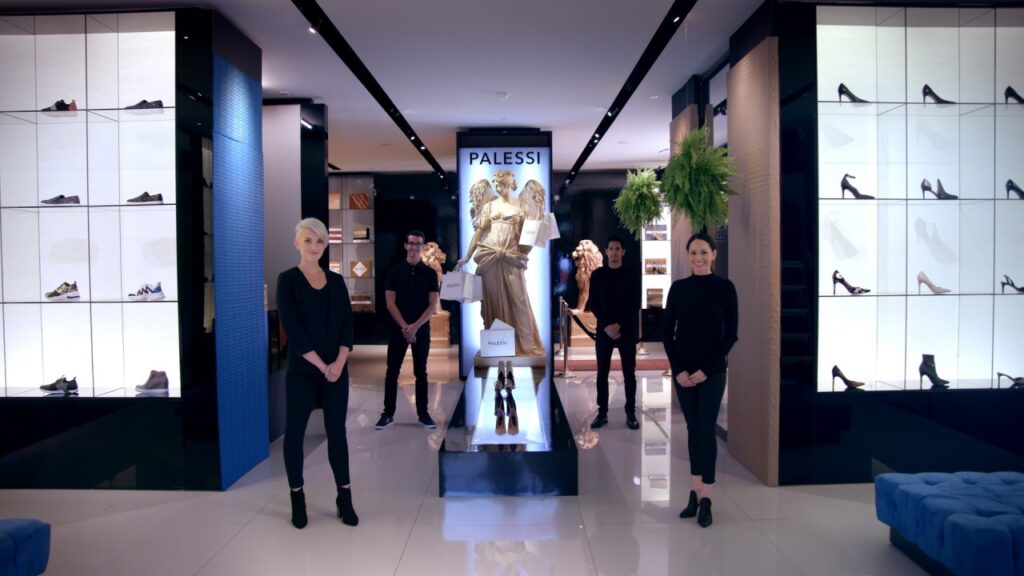
The Palessi Effect: How Payless Used Perception to Sell $40 Shoes for $640 Payless pulled off an absolutely brilliant marketing prank with its “Palessi” stunt, and honestly, it was the kind of mischief that marketers dream about. They set up a fake high-end boutique, stocked it with their usual budget-friendly shoes, and invited unsuspecting fashion influencers to check out the “designer” collection. The twist? The same $40 shoes that sit in a Payless store were suddenly going for $640 a pair. And people were eating it up. Hidden cameras captured the moment shoppers learned the truth, and their reactions were priceless. Some laughed, some looked downright betrayed, but all of them had fallen for the biggest trick in branding: perception is everything. The campaign exploded online, racking up over 300 million media impressions and landing features in Adweek, The New York Times, and Business Insider. What can marketers learn from this genius stunt? Here are five key takeaways: 1. Perception Shapes Value The Palessi experiment proved that price can completely change how people see a product. Put a high number on a price tag, and suddenly, the product seems more luxurious. It’s called prestige pricing, and it happens everywhere. Why do people shell out thousands for a Louis Vuitton handbag when a $100 bag functions the same way? Because branding makes it feel exclusive. Studies show that 67% of consumers believe price directly reflects quality, even when there’s no difference. It’s the same reason why a $200 bottle of wine tastes better than a $10 bottle in a blind test, except scientifically it doesn’t. In one experiment, researchers at Stanford and Caltech gave participants two glasses of the same wine but told them one was more expensive. Brain scans showed their pleasure centers lit up more for the “expensive” wine, even though both were identical. Payless flipped this logic on its head, showing that even bargain shoes can feel like luxury with the right setup. 2. Environment Influences Buying Decisions Let’s be real, nobody’s looking at a Payless store and thinking “luxury.” But put the same shoes in a sleek, high-end boutique with gold mannequins, moody lighting, and a staff trained to treat you like royalty? Suddenly, people are willing to splurge. This is a textbook example of atmospherics at play. A 2019 retail study found that 76% of shoppers say store ambiance affects how they perceive product quality. It’s why Apple stores feel futuristic and minimalist, while luxury brands go for marble floors and chandeliers. It’s also why restaurants put effort into plating, because if your $50 steak looks like a work of art, you’re going to convince yourself it tastes better. Payless simply borrowed the same trick, and it worked like a charm. 3. Branding Can Override Product Reality The name “Palessi” sounds like an up-and-coming Italian designer, right? That’s exactly why it worked. Consumers associate Italian fashion, French wines, and Swiss watches with premium quality, even if they don’t know much about the brands themselves. Payless tapped into this psychological shortcut by crafting a fake upscale identity. A study by Harvard Business Review found that 64% of consumers are more likely to buy a product if they believe in its brand story. And the crazier part? A 2020 survey found that 45% of consumers are even willing to pay more for a brand name, even when they know the product is identical to a generic version. That’s the power of branding: it doesn’t just sell a product, it sells an identity. 4. Social Proof is a Powerful Persuader Payless didn’t just rely on a fancy store, they let influencers do the heavy lifting. Before the reveal, fashion influencers raved about the “designer” shoes, praising their craftsmanship and elegance. This was social proof in action. When people see others (especially trendsetters) loving a product, they’re far more likely to buy in. A 2023 report from Influencer Marketing Hub found that 92% of consumers trust influencer recommendations over traditional ads. And it’s not just influencers, this is why customer reviews can make or break a product. Ever noticed how an Amazon product with 4.8 stars sells way better than one with 4.2, even though both are rated “good”? That fraction of a point matters because people want reassurance before they buy. Payless didn’t just trick customers, they tricked the tastemakers, making the campaign even more powerful. 5. Marketing Stunts Can Drive Brand Reappraisal Let’s be honest, Payless isn’t exactly a brand that screams “cutting-edge fashion.” But for a moment, they were the hottest topic in retail. This prank didn’t just sell shoes, it got people talking. News outlets covered it, social media exploded, and suddenly, Payless was positioned as a brand worth reconsidering. Whether it leads to long-term sales is another story, but in the months following the stunt, Payless saw a significant increase in social media engagement, with over 2.5 million interactions across platforms. And while they eventually had to close their US stores due to financial struggles, this campaign was a reminder that even an aging brand can shake things up with the right marketing strategy. The Bottom Line The Palessi experiment was marketing magic at its finest. It showed that branding isn’t just about the product, but about the story, setting, and social cues that shape perception. Payless gave customers their money back, but the impact of this campaign will live on as one of the best examples of how marketing can warp reality. It’s proof that price tags, store design, and a splash of influencer hype can make or break a brand’s image. Whether this changes how people see Payless in the long run is uncertain, but one thing’s for sure, it was a marketing stunt for the ages. And honestly? It was hilarious. Because if a budget shoe store can momentarily convince people they’re shopping at an exclusive European boutique, anything is possible in marketing.

The Palessi Effect: How Payless Used Perception to Sell $40 Shoes for $640 Read More »