
The Strategy Spotlight

Blog

Your blog category

The Day Duolingo’s Dancing Owl Stole the Show: Guerrilla Marketing Lessons for Brands

The Day Duolingo’s Dancing Owl Stole the Show: Guerrilla Marketing Lessons for Brands Picture this: you’re at a Charli XCX concert, the lights are flashing, the crowd is buzzing, and just as the beat drops, you see green owls dancing in the middle of the crowd. Phones are instantly up, capturing the moment, and within moments, TikTok is swarmed with videos of the funny spectacle. It wasn’t just a random scene; this was Duolingo, the language-learning app, pulling off a guerrilla marketing stunt that instantly captivated audiences. Bold, quirky, and perfectly on-brand, it was a move that turned a simple concert into a viral moment. But beyond the viral clips and laughs, this stunt holds a goldmine of lessons for brands trying to break through the clutter of the modern marketplace. Let’s break down why Duolingo’s daring concert cameo was such a triumph and how you can apply these insights to your own marketing efforts. Duolingo’s Playful Marketing Genius Duolingo has carved out a unique space for itself by embracing humor, relatability, and a quirky charm that thrives online. Whether it’s Duo the Owl sending cheeky reminders to keep users engaged (who hasn’t seen those memes?) or creating viral TikTok videos, Duolingo knows exactly how to grab attention. The Charli XCX stunt embodied that same playful spirit. Without any formal partnership, Duolingo sent its mascots into the crowd, letting Duo the Owl mingle with fans, dance, and, most importantly, let the audience amplify the fun. Videos of Duos dancing spread like wildfire across TikTok, racking up millions of views and sparking conversations on social media. This stunt wasn’t just clever; it was strategic. Duolingo knew their audience inside and out: Gen Z and millennials who live for humor, love TikTok, and enjoy creating shareable moments. By crafting an unforgettable scene, they essentially turned concertgoers into brand ambassadors. What makes this move even more impressive is the way it harnessed organic engagement. In a world where people are becoming numb to traditional advertising, they’re craving authenticity. And there’s nothing more authentic than an unplanned but delightful interaction with a brand mascot. Why Did It Work So Well? At first glance, it might seem like a giant owl dancing at a concert is just random chaos. But in reality, it was anything but. Duolingo understood three key elements that made this stunt so effective: The results speak for themselves: This wasn’t just a fleeting viral moment; it became a movement, keeping Duolingo at the forefront of people’s minds. It didn’t stop at social media. The stunt was picked up by marketing blogs and even mainstream media, further expanding its reach. What Makes Guerrilla Marketing So Effective? Guerrilla marketing works because it breaks the norms. It’s not about spending a fortune on flashy ads; it’s about creativity, timing, and understanding your audience deeply. Duolingo’s stunt wasn’t random; it was a natural extension of their brand personality: quirky, fun, and a little cheeky. They didn’t just interrupt the concert; they amplified their own essence in a way that resonated with fans. When you create an experience that surprises people, they don’t just take notice, they share it. In 2025, word-of-mouth marketing, especially via social media, remains one of the most powerful tools. Guerrilla marketing works because it shifts away from polished, scripted moments and back to the raw, spontaneous, and authentic. It feels real, and that’s exactly what makes it so impactful. Five Lessons from Duo’s Dancing Debut Duolingo’s success wasn’t mere happenstance. They understood exactly who they were targeting: Charli XCX fans, TikTok users, and anyone who loves a good laugh. For your brand, it’s essential to focus your efforts on a specific audience. It’s not about reaching everyone, it’s about understanding your core demographic and creating something they can’t ignore. That understanding comes from research, engagement, and listening. The better you know your audience, the more effective your marketing will be. Duo’s dancing antics worked because humor is at the heart of Duolingo’s brand. From funny reminders to iconic memes, Duolingo has built its identity on being lighthearted and approachable. Humor can break down walls and make your brand feel more human. It’s a tool that brings people together. But, of course, the humor must match your brand’s tone. One misstep, and it could backfire. When done right, humor doesn’t just entertain, it creates lasting memories and cultivates brand loyalty. Sending a giant owl to a concert was undeniably bold, but it wasn’t reckless. Duolingo took a calculated risk, knowing this would resonate with their audience and spark conversations. Boldness is powerful when it’s grounded in strategy. Taking risks is part of marketing, but it’s essential to make sure they align with your brand’s values and voice. Take the time to assess potential risks, plan for contingencies, and then go all in. Authentic boldness will always strike the right chord. One of the smartest things Duolingo did was hand over control to the audience. Fans recorded and shared their own clips, turning the stunt into a viral phenomenon without any extra effort from the brand. To replicate this success, create experiences that are worth sharing. Give your audience something unique, funny, or deeply relatable. In the digital age, word-of-mouth marketing is about giving people a reason to share, and when they do, your brand reaches new heights. This stunt wasn’t an isolated effort. It was an extension of Duolingo’s established brand image. People expect humor and boldness from Duo, so the campaign felt authentic. Consistency is key. Whether your brand is serious, playful, or adventurous, staying true to your voice helps build trust. Consistency doesn’t mean being boring, it’s the foundation for recognition and loyalty. In a world bombarded with ads, guerrilla marketing rises above the noise because it’s real, surprising, and memorable. It cuts through the clutter by being authentic. But guerrilla marketing isn’t random. It’s about knowing your audience, understanding what resonates, and delivering it in a fresh, unexpected way. Duolingo’s stunt worked because it wasn’t just a spectacle;

The Day Duolingo’s Dancing Owl Stole the Show: Guerrilla Marketing Lessons for Brands Read More »

Marketing Strategy 101: A Beginner’s Guide for your Startup in 2025

Marketing Strategy 101: A Beginner’s Guide for your Startup in 2025 Starting a business is exciting. But when it comes to marketing, many founders feel like they’ve been handed a jigsaw puzzle with half the pieces missing. That’s understandable, marketing isn’t a one-size-fits-all solution, especially when you’re a startup with limited resources. Yet, the reality is clear: startups that get their marketing strategy right don’t just survive…they thrive!. So, how do you craft a plan that works? Let’s take this step by step. Why Marketing in 2025 Is a Whole New Ball Game The marketing world has changed dramatically over the past few years. What worked in 2015 won’t necessarily work now. Consumers are savvier, the competition is fiercer, and the sheer number of channels available can feel overwhelming. In 2025, attention spans are shorter than ever. A Microsoft study revealed that the average attention span is now just 8 seconds. Couple that with the fact that over 6.8 million new businesses are launched annually worldwide, and you start to see the stakes. However, startups that invest in marketing don’t just beat the odds…they set trends. According to a 2024 CB Insights report, 42% of startups fail due to a lack of market demand. That statistic underscores the importance of marketing, not just to attract customers but to validate that your business is solving a real problem. Step 1: Define Your Goals (The Right Way) Before diving headfirst into tactics, pause and think: What do I actually want to achieve? Clear, measurable goals act like a compass, keeping you focused and accountable. Instead of vague ambitions like “We want to grow,” aim for something more tangible: These goals aren’t just aspirations—they’re benchmarks that guide your strategy. And remember, the best goals are SMART: Specific, Measurable, Achievable, Relevant, and Time-bound. Why It’s Important: Startups often operate with limited resources. A clear goal ensures every dollar, hour, and ounce of energy is spent on activities that drive results. Step 2: Understand Your Audience…Really Understand Them! Here’s a hard truth: your product isn’t for everyone. And trying to appeal to everyone is a surefire way to appeal to no one. Let’s say you’re launching a meal prep service. Are your target customers busy professionals who value convenience, health-conscious parents, or fitness enthusiasts looking for macro-friendly meals? Each of these groups has different needs and priorities. How to Get to Know Your Audience: Example: Airbnb’s founders famously visited their early users, taking time to understand what they loved (and hated) about the platform. That hands-on research laid the foundation for their marketing success. Step 3: Craft a Unique Brand Voice Your brand voice is how your company sounds and feels to customers. And in 2025, it’s not just a nice-to-have; it’s a must. Think of brands like Wendy’s. Their snarky, playful tone on Twitter has made them a standout in fast food marketing. Or consider Nike, whose motivational “Just Do It” mantra resonates with athletes worldwide. So, what’s your voice? Are you witty, professional, approachable, or inspiring? Your tone should reflect your values and connect with your target audience. How to Stay Consistent: Why This Matters: Research shows that consistent branding increases revenue by 23%. People trust brands that feel familiar and cohesive. Step 4: Pick the Right Marketing Channels Every startup faces the same temptation: trying to be everywhere at once. But unless you have a Fortune 500 budget, it’s better to focus on a few key channels. Here’s a breakdown of popular marketing channels and when to use them: Pro Tip: Start small. Test one or two channels before scaling. Spread yourself too thin, and you risk mediocrity across the board. Step 5: Measure, Analyze, and Adapt One of the most common mistakes startups make is running marketing campaigns without tracking the results. Marketing isn’t a guessing game, it’s about testing, learning, and iterating. Key Metrics to Track: Example: Dropbox famously grew its user base by 3900% in 15 months, thanks to its referral program. How? They tracked metrics obsessively and doubled down on what worked. 5 Lessons I’ve Learned in Marketing After years of working with startups, here are the five lessons I wish I’d known earlier: Why Marketing Is the Lifeline of Your Startup At its core, marketing isn’t about flashy ads or clever slogans. It’s about building connections, between your product and the people who need it. Done right, marketing drives growth, builds loyalty, and turns your customers into your biggest advocates. It’s not easy, but it’s worth it. So, whether you’re building a fitness app, a SaaS platform, or a sustainable fashion brand, remember this: your marketing strategy isn’t just a task on your to-do list, it’s the heartbeat of your startup’s success. Now, go create something amazing! What’s the first step you’ll take to build your marketing strategy? Let me know, I’d love to hear your thoughts!

Marketing Strategy 101: A Beginner’s Guide for your Startup in 2025 Read More »

Understanding Brand Equity and Rebrand of Jaguar

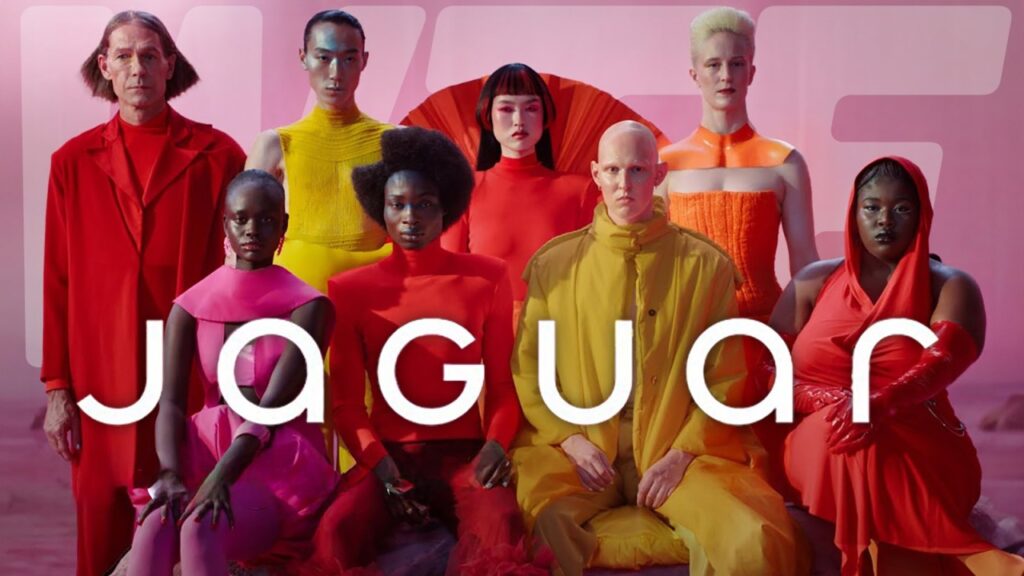
Understanding Brand Equity and Rebrand of Jaguar As a lifelong car enthusiast, this one hurts to write. Few brands hold the kind of iconic status that Jaguar does in the UK—or anywhere else, for that matter. The brand is woven into the fabric of British history, a symbol of elegance, speed, and engineering excellence. Its roots in motorsport are legendary. From dominating Le Mans in the 1950s with the D-Type to crafting some of the world’s most celebrated road cars, Jaguar wasn’t just a car company; it was an identity. In the UK, Jaguar became a cultural touchstone, celebrated in everything from royal motorcades to James Bond films. Owning a Jaguar signified a certain stature—success paired with sophistication. Globally, the brand stood for effortless elegance and British craftsmanship, an antidote to the brashness of American muscle or the precision of German engineering. But Jaguar’s latest rebrand, unveiled in November 2024, seems to have discarded much of that storied legacy in favor of chasing the ultra-luxury electric vehicle (EV) market. Bold? Yes. But as many critics and loyalists have noted, it also feels like an identity crisis. This isn’t just a story about cars. It’s a cautionary tale for brands navigating reinvention and the delicate balance of honoring heritage while staying relevant. A Racing Pedigree: The Foundation of Jaguar’s Legacy To truly grasp the weight of Jaguar’s recent branding decisions, you need to understand its foundation. Jaguar’s racing heritage is legendary, its name synonymous with innovation and dominance on the track. The C-Type and D-Type were engineering marvels that clinched multiple Le Mans victories in the 1950s. These wins weren’t just about trophies; they cemented Jaguar’s image as a leader in performance and design. The E-Type, launched in 1961, took that racing DNA to the road. Often called “the most beautiful car in the world,” By Enzo Ferrari, it wasn’t just fast—it was art on wheels. Its unveiling at the Geneva Motor Show caused such a stir that Jaguar famously had to send a second car to meet the overwhelming demand for test drives. Jaguar’s motorsport success translated to its brand identity: daring, innovative, and quintessentially British. The leaping cat emblem wasn’t just a logo—it was a symbol of speed, power, and grace. Which makes the recent rebrand feel all the more baffling. The 2024 Rebrand: Ambition or Misstep? Jaguar’s November 2024 rebrand aims to reposition it as an ultra-luxury electric vehicle brand, targeting a younger, affluent demographic. The overhaul includes: A New Visual Identity Philosophy: Exuberant Modernism Pivot to EVs Target Market Shift While ambitious, the rebrand has sparked fierce criticism. Longtime fans accuse Jaguar of abandoning its roots, with some even comparing the rebrand to “rewriting history with a permanent marker.” Brand Equity: The Risk of Reinvention Brand equity is more than just familiarity. It’s the trust, emotional connection, and loyalty that consumers associate with your brand. Jaguar’s equity is deeply tied to its heritage—luxury, motorsport dominance, and British craftsmanship. By pivoting so drastically, Jaguar risks eroding the very elements that made it iconic. The new branding feels disjointed, as though the company is trying to cater to an entirely new audience while leaving its core fans in the dust. Take Aston Martin as a comparison. While it has evolved, Aston Martin has never strayed far from its identity as a maker of elegant, high-performance cars. Even as it enters the EV space, it does so with a clear nod to its legacy. Jaguar, on the other hand, seems to be trying to reinvent itself entirely—without a clear strategy for integrating its storied past. Why the Rebrand Feels Hollow Jaguar’s racing history and craftsmanship are not just a part of its story—they are its story. Discarding them for a flashy new philosophy alienates the very customers who kept the brand alive through decades of ups and downs. Instead of overhauling its identity, Jaguar could have created a sub-brand for its EV line. Imagine “XXXXXX by Jaguar”—a sleek, modern take on luxury EVs that still ties back to the parent brand’s DNA. This approach would have allowed Jaguar to innovate without alienating its loyalists. The new branding feels like a patchwork of ideas rather than a cohesive vision. Exuberant Modernism? Circular logos? A complete departure from classic designs? It’s unclear what Jaguar stands for anymore. Lessons Learned from Jaguar’s Rebrand While it’s important to attract new customers, alienating your existing base can backfire. Jaguar’s long-time fans feel abandoned, and that’s a risky move for any brand. Legacy brands like Porsche and Ferrari have embraced the EV market without discarding their identity. Jaguar could have done the same, keeping its heritage alive while introducing modern innovations. A rebrand should simplify and enhance your story, not complicate it. Jaguar’s new identity feels fragmented, lacking the clarity needed to resonate with audiences. Sub-brands allow companies to experiment without risking their primary identity. Jaguar could have launched a dedicated EV line, preserving its legacy while targeting a new market. People buy into brands because of how they make them feel. By abandoning its roots, Jaguar risks losing the emotional connection that made it beloved in the first place. What Startups Can Learn For startups, the Jaguar rebrand serves as a reminder of the importance of staying true to your roots. Your early adopters are your lifeline. Alienating them in pursuit of growth can leave your brand unmoored. A Personal Reflection As a car enthusiast, Jaguar’s rebrand feels like watching a masterpiece being repainted by someone who doesn’t understand its value. It didn’t need a radical overhaul—it needed a thoughtful evolution. The E-Type wasn’t just a car; it was a declaration of what Jaguar stood for. Imagine if Jaguar had created a sub-brand for its EVs, letting its legacy models coexist with its modern aspirations. Instead of alienating fans, it could have invited them along for the ride, balancing tradition with innovation. Final Thoughts Jaguar’s rebrand is a bold gamble, but one that comes at a significant cost to its brand equity. By discarding

Understanding Brand Equity and Rebrand of Jaguar Read More »

Fractional CMOs: The Catalyst for Scaleup Growth

Fractional CMOs: The Catalyst for Scaleup Growth If you’re leading a scaleup, you already know the feeling. Your business is growing, the momentum is building, and you’re on the verge of something big. But with that growth comes new challenges, especially when it comes to marketing. Suddenly, you need more than just campaigns—you need a strategy. The kind that drives revenue, builds your brand, and ensures your marketing efforts scale along with your company. That’s where a Fractional Chief Marketing Officer (CMO) comes into play. If you’ve never heard of this concept before, picture this: You get access to senior-level marketing expertise, but without the full-time commitment or the hefty salary that usually comes with it. It’s marketing expertise on-demand, and for many scaleups, it’s exactly what the doctor ordered. But how exactly does this work, and why is it such a smart move for scaleups? Let’s dig in. What is a Fractional CMO? A fractional CMO is a senior marketing leader who works with your company on a part-time or contract basis, offering the expertise of a full-time CMO but at a fraction (hence the name) of the cost. They’ll come in, assess your needs, create and implement a marketing strategy, and then move on—leaving your business in better shape than when they arrived. The beauty of this model is that you can bring in top-tier marketing talent without the usual financial commitment of a permanent hire. And if you’re a scaleup managing growth and resources, this flexibility is priceless. Why Scaleups Benefit from Fractional CMOs For scaleups, every decision has to be both strategic and resourceful. You’re no longer a startup scrapping for survival, but you’re not yet a large corporation with the budget to hire a full executive team either. You need the kind of marketing leadership that can take you from this in-between phase to your next big stage of growth. Enter the fractional CMO. Here are some ways a fractional CMO can make a real difference for a scaleup: 1. You Get Access to Top Talent (Without Breaking the Bank) Hiring a full-time CMO is a major investment. In many cases, this can range anywhere from $200,000 to $400,000 annually. For a scaleup, that’s a serious chunk of change. And let’s face it, there’s no guarantee that even a high-priced hire will be the right fit for your company. With a fractional CMO, you get the same caliber of leadership and expertise, but on a flexible basis. This means you’re only paying for what you need, when you need it, while still getting access to someone who’s been there and done that in bigger companies. 2. You Stay Focused on Growth Without Distractions At this stage, your focus should be on scaling. But without the right marketing direction, it’s easy to get distracted by daily operational fires and quick wins. A fractional CMO cuts through the noise and provides clear direction, allowing you and your team to focus on what matters most: growth. Rather than getting lost in day-to-day tasks, they keep the bigger picture in mind. Whether that’s optimizing customer acquisition channels, defining your brand positioning, or aligning your marketing and sales teams, a fractional CMO will work to ensure your marketing strategy is propelling your growth, not holding it back. 3. You Get Fresh Eyes and a Proven Approach When you’re running a business, it’s easy to get stuck in a bubble. You know your product or service inside and out, and while that’s essential, it can also be limiting. Sometimes, you need an outside perspective—someone who isn’t bogged down in the day-to-day but who can still take a bird’s eye view of your business. A fractional CMO brings that fresh perspective. They’ll look at your brand, your customers, and your competitors with a level of objectivity that’s hard to find internally. And because they’ve helped scale other businesses before yours, they know what works and what doesn’t. It’s the kind of expertise that not only saves you time but also helps you avoid costly mistakes. 4. Flexibility That Aligns With Your Growth Growth doesn’t happen in a straight line. Sometimes it comes in waves, other times in slow and steady increments. Your marketing needs to adjust to these changes, and so should your marketing leadership. With a fractional CMO, you have the flexibility to ramp up or scale down your marketing leadership based on your current needs. If you’re preparing for a major product launch, a fractional CMO can take the reins, ensure your strategy is solid, and guide your team through the process. After the launch, you can dial back their involvement until the next major initiative rolls around. It’s a perfect solution for scaleups that need marketing leadership but aren’t ready for a permanent executive. 5. Fast Results Without the Learning Curve The last thing you want is to hire a senior leader only to find out they need months to “ramp up” and understand your business. With a fractional CMO, there’s no steep learning curve. Because they’ve worked with multiple businesses, industries, and growth phases, they can jump right in and start making an impact quickly. For example, let’s say your company is struggling with customer retention. A fractional CMO will have seen this before and can immediately begin implementing tried-and-tested strategies to address the problem. They bring real-world experience, and you get to benefit from it immediately—no hand-holding required. Case in Point: Real Results From Fractional CMOs Now, let’s talk numbers. According to a 2023 survey by Chief Outsiders, 75% of companies that hired fractional CMOs saw an increase in overall revenue within the first year. That’s because a fractional CMO can help you refine your customer acquisition process, optimize your marketing spend, and target the right audience more effectively. Another study from Forbes found that fractional executives, in general, can save companies up to 60% compared to hiring full-time counterparts, without compromising on quality or output. That’s the kind of smart decision-making scaleups need to stay

Fractional CMOs: The Catalyst for Scaleup Growth Read More »

Who wore it best “Creativity edition”: Lidl’s Perfume Campaign v/s Surreal Cereal’s Celebrity Twist.

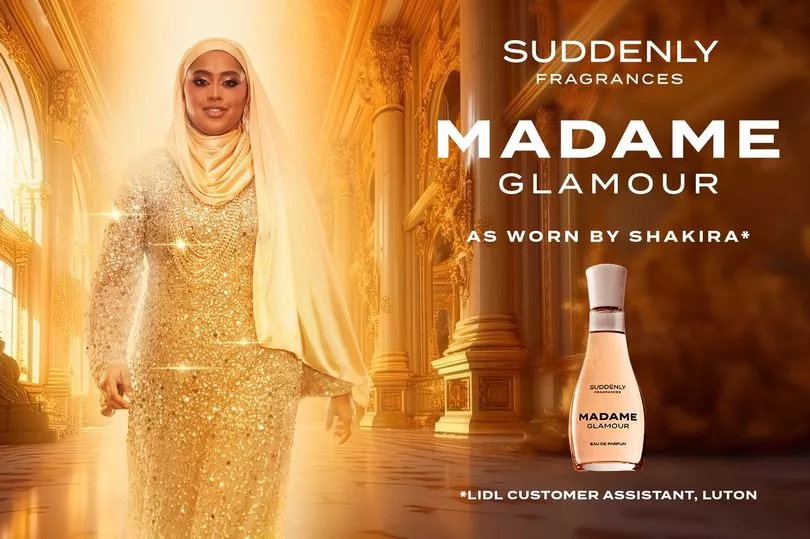
Who wore it best “Creativity edition”: Lidl’s Perfume Campaign v/s Surreal Cereal’s Celebrity Twist. In the ever evolving world of marketing, creativity knows no bounds. Recently, the supermarket giant Lidl captured the attention of consumers with their imaginative campaign that blur the lines between reality and fantasy. Lidl’s Perfume Parade: A Star-Studded Affair Lidl’s latest perfume campaign is a masterclass in ingenuity. Featuring fragrances from their Suddenly and G.Bellini lines, the campaign boasts endorsements from none other than Adele, Shakira, Robbie Williams, and Chris Pratt. However, what sets this campaign apart is the revelation that these celebrities are not the Hollywood icons we know and love, but rather Lidl’s own employees who happen to share names with the stars. Adele Prattley, a Warehouse Desk Clerk from Luton, strikes a pose atop a rooftop, showcasing Lidl’s Suddenly Femelle for £5.25. Shakira Khan from Luton dazzles in gold, promoting Lidl’s Suddenly Madame Glamour. Meanwhile, Chris Pratt takes a leisurely stroll, endorsing G. Bellini Deep, and Robbie Williams trades the stage for Lidl’s G. Bellini Homme. It’s a delightful fusion of everyday charm and celebrity allure that has captured the hearts of consumers nationwide. Surreal Cereal: When Fiction Meets Breakfast On the other end of the spectrum, Surreal Cereal has taken a playful approach to marketing with their “fake” celebrity campaign. Utilizing billboards featuring names like Serena Williams, Dwayne Johnson, and Michael Jordan, Surreal Cereal initially gives the impression of celebrity endorsements. However, upon closer inspection, it’s revealed that these celebrities are not the real deal – they’re regular individuals with famous names who were paid to try the cereal and provide glowing reviews. Despite the humorous twist, Surreal Cereal’s campaign has struck a chord with consumers, showcasing the brand’s willingness to think outside the box and embrace unconventional marketing strategies. Embracing Creativity in Marketing Both Lidl’s perfume campaign and Surreal Cereal’s celebrity twist highlight the importance of creativity in marketing. In an increasingly crowded marketplace, brands must find unique ways to capture the attention of consumers and differentiate themselves from the competition. By leveraging unexpected partnerships, clever wordplay, and a touch of humor, brands can create campaigns that not only resonate with consumers but also leave a lasting impression in their minds. In conclusion, as we continue to navigate the ever-evolving landscape of marketing, let us remember the power of creativity to captivate, inspire, and ultimately drive success in the world of business. So… Who did it best? Leave your comments below! Lidl GB SURREAL

Who wore it best “Creativity edition”: Lidl’s Perfume Campaign v/s Surreal Cereal’s Celebrity Twist. Read More »