
The Problem: When Every Outdoor Brand Looks Exactly the Same
Have you noticed how all outdoor gear ads used to look exactly alike? Think about it: a perfectly-fit model, a flawless mountain, and a sunset that looks like it was painted by a computer. For years, the outdoor industry was stuck in this rut. what we call the “sea of sameness”.
Everyone was selling the same perfect dream. When every company uses the same beautiful but boring script, no one really stands out, and your brand message gets lost. Columbia Sportswear realized this was a major problem, a slow-moving crisis that was making them forgettable.
They knew they couldn’t just keep showing pictures of happy hikers. They needed a massive, bold change to cut through all that noise. They needed something real, something unexpected, and something funny.
This need for a bold pivot led to their huge brand relaunch, the “Engineered for Whatever” platform. It was a promise to forget the perfect mountains and show the messy, crazy reality of being outside: snakes, freezing storms, and unexpected trouble.
By choosing to show chaos and dark humor, Columbia instantly became the brand that wasn’t afraid to be different. It was a smart way to turn a simple product ad into something everyone would talk about.
The Toughest Mother’s Legacy: Tim Boyle Steps Up
A campaign this wild doesn’t happen by accident. It takes guts, especially from the person at the very top. That person is Tim Boyle, the CEO and Chairman of Columbia Sportswear.
Tim’s whole philosophy is shaped by his mother, Gert Boyle, the famous “One Tough Mother”. Back in the 80s and 90s, her marketing was famous for being cheeky and completely fearless.
This new campaign, and the Flat Earth challenge specifically, was a way to bring back that legendary, irreverent spirit. Tim Boyle himself said the goal was to “get us back to the historical irreverent way… not taking ourselves too seriously”.
The real key to the campaign’s success was that Tim Boyle didn’t just approve it; he starred in it. He became the face of the joke, appearing in the deadpan videos and, most importantly, signing the full-page open letter in The New York Times.
When the CEO of a company making around $3.3 billion a year personally backs a risky, edgy campaign, it sends a clear message: This brand is confident, and the humor is totally genuine. It transforms a marketing stunt into a matter of corporate confidence.
“Expedition Impossible”: The Ultimate Dare
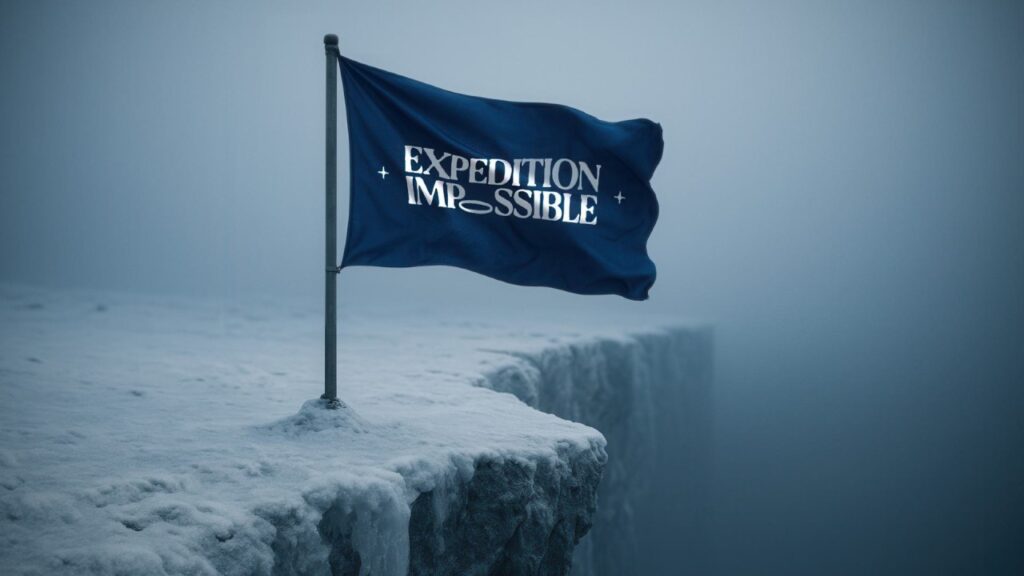
The absolute highlight of this new approach was “Expedition Impossible,” a genius, tongue-in-cheek challenge aimed directly at Flat Earth believers. It was the perfect target: controversial, constantly debated online, and deeply funny.
Columbia used this topic brilliantly. They stood for reality and science, proving their gear works in a real, spherical, and challenging world. At the same time, they created massive buzz by poking fun at modern conspiracy theories.
The challenge was made official in a large ad in The New York Times. The letter, signed by Mr. Boyle, was a direct, hilarious call-out: “This is a message to Flat Earthers,” it began, “it’s time to put your map where your mouth is”.
The task? Simple: go out, find the physical end of the Earth, and take a picture of it. This polarizing subject guaranteed instant, high-volume conversation.
Columbia’s digital team didn’t wait around, either. They actively jumped into the fight, choosing to “dip into Reddit communities and YouTube comments to poke fun at conspiracy theorists”. This aggressive, fun engagement made the campaign wildly shareable, especially with younger audiences like Gen Z, who love smart, self-aware humor.
The Ridiculous Details and the Fine Print
What made “Expedition Impossible” such a masterpiece was the level of absurd detail in the rules. They didn’t just say “find the edge.” They defined exactly what that edge must look like:
“A sheer drop, abyssal void, clouds cascading into infinity”.
This precise, over-the-top language was a huge part of the fun.
They also made sure to disqualify all the predictable, silly answers. Winning evidence could not be: “a clifftop in Seattle, a Kansas cul-de-sac or ‘your buddy Dave legally changing his name to The Edge'”. The attention to silly details made the brand seem incredibly smart and self-aware.
And the prize? It was nothing short of a corporate takeover! Boyle offered the winner “all of it. The mannequins, coffee machines, snowshoes, toboggans, office plants, even the taxidermy beaver”. Yes, the taxidermy beaver.
Of course, the lawyers had to be involved. The fine print clarified that the prize was ownership of “The Company, LLC,” legally valued at $100,000. This was pure genius: maximum perceived promise (handing over the keys to a global giant) with minimal actual financial risk, all while maintaining the joke.
The Results: The Proof is in the Numbers
The creative risk that Columbia took paid off in a massive way. The campaign generated value that far exceeded what they spent on traditional advertising. It’s a powerful lesson that cultural relevance is more effective than just buying audience attention.
The numbers were staggering and showed just how much noise the brand was making:
- Earned Media Value (EMV): The campaign generated nearly $50 Million in net ad value. Think about that, almost $50 million worth of free conversation and press, all from a smart joke!
- Total Impressions: The message reached a huge audience, racking up 5.4 Billion total impressions globally. That’s a huge number of people talking about Columbia.
- Organic Video Views: The funny, self-aware videos starring Tim Boyle earned over 26 Million organic views. People were genuinely watching and sharing the content.
- Social Growth: The brand saw a huge spike in its online community, with a 25% gain in social followers. This shows they were attracting real, engaged customers, not just fleeting attention.
Beyond the instant viral success, the campaign achieved Columbia’s main strategic goal: getting people “talking about Columbia again in the U.S.”. The increase in consumer engagement and organic brand searches proved that the funny idea translated directly into real business interest.

8 Key Takeaways I Learned from This Impossible Expedition
As a consultant, I look at campaigns like this not just as entertainment, but as a blueprint for success in a crowded market. Here are the 8 most important, personal lessons I took away from Columbia’s brilliant move:
- Stop Fearing Irrelevance. Fear Silence. The biggest threat to your brand isn’t an unhappy troll; it’s being so safe that no one notices you. Columbia chose a calculated risk over guaranteed boredom. You need to be brave.
- Make the Joke Serve Your Product. Columbia didn’t just joke around; they used the absurd humor to show how tough their gear is. If your clothes can handle a world that might or might not be flat, they can definitely handle a rainy Tuesday.
- The Leader Must Be the Star. When Tim Boyle signed the challenge and appeared in the videos, it gave the campaign real weight. Don’t just approve a campaign—put yourself, or your most authentic leader, right in the middle of it.
- Use Specific, Funny Details. What made everyone smile was the specific mention of the taxidermy beaver, the coffee machines, and the rules defining “The Edge”. Specificity makes absurdity funnier and far more shareable.
- Go Where the Conversation is Happening. The Columbia team didn’t wait for people to come to them. They went straight to Reddit and YouTube comments to engage with people. You need to actively join the cultural conversation, not just broadcast to it.
- Authenticity Always Wins Over Perfection. Younger consumers, especially, are tired of flawless, “stock photo energy” ads. Columbia’s dark, self-aware humor was a nod to reality, which makes the brand feel more credible and trustworthy.
- Structure the Stakes as Low Risk, High Reward. They promised a massive prize (the whole company) but legally protected themselves with a $100,000 corporate valuation. This strategy generates incredible buzz without putting the business in danger. Maximum conversation, minimum liability.
- Reclaim Your History. The campaign felt right because it was a conscious return to the confident, irreverent style set by “One Tough Mother” Gert Boyle. Use your brand’s heritage to justify your bold moves today.

Conclusion: Engineering for Whatever Comes Next
“Expedition Impossible” wasn’t just a successful marketing campaign; it was a masterclass in brand revitalization. It showed that in today’s noisy world, you can’t afford to be beige. You have to stand up, say something bold, and make people laugh.
By using cultural friction and embracing fearless humor, CEO Tim Boyle proved that talking about the impossible is the most realistic path to growing a business. They positioned Columbia not as a brand for perfect mountain climbers, but as a brand for everyone facing the chaotic reality of life.
The message is clear and simple: Whether the world is round or flat, whether you face a blizzard or just bad luck, Columbia is “Engineered for Whatever”. And that fearless, fun clarity is exactly why they won.