
I’ve been in the business of building brands for quite some time. I’ve seen it all: the flashy Super Bowl ads, the perfectly curated influencer campaigns, the data-driven precision targeting that feels almost… well, a little too precise. But every once in a while, a campaign comes along that reminds me why I fell in love with this work in the first place. It’s a campaign that isn’t just about selling a product. It’s about engineering a moment, a shared human experience that creates a memory so powerful, it becomes inseparable from the brand itself.
That campaign, for me, is the Coca-Cola “Friendly Twist.”
You might have heard about it. It was a simple, brilliant idea that went viral. But what most people remember is the clever bottle. What they don’t always see is the strategic genius and the profound understanding of social dynamics that made it work.
The Problem We All Know (But Never Talk About)
Think back to your first day of college. Or maybe your first day at a new job. That moment you walk into a crowded room filled with new faces. It’s a mix of excitement and… utter, crippling awkwardness. The silence feels deafening. The air is thick with the unspoken question: “Who do I talk to?” It’s a universal human challenge. A moment of vulnerability.
Now, imagine you’re a brand like Coca-Cola. For decades, your message has been about “happiness” and “sharing.” But how do you make that more than just a tagline? How do you make it real? How do you get people to live your brand promise, not just hear it?
This was the challenge presented to Coca-Cola and their agency partner, Leo Burnett Colombia. The target audience was a specific group of people at a specific, vulnerable moment in their lives: college freshmen on their first day.
Their solution wasn’t an ad. It was an invitation.

The Unboxing of Connection: A Physical Icebreaker
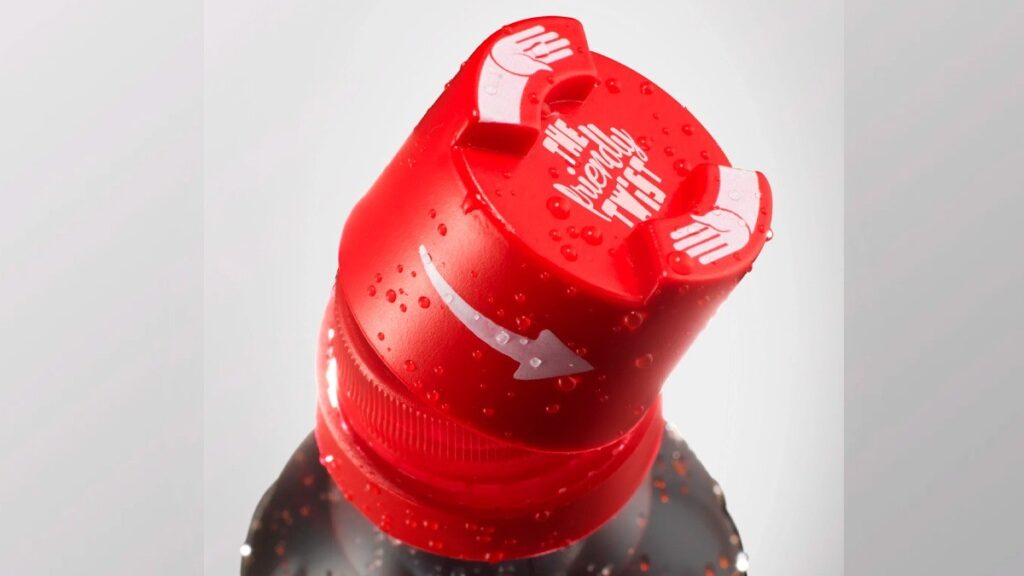
Instead of a traditional campaign, Coca-Cola created a limited-edition bottle. At first glance, it looked normal, but the cap was different. It wasn’t a screw-top. It was a twist-lock cap that could only be opened by engaging with another person’s matching bottle. You had to twist it together.
Think about the simple power of this. It was a literal, physical icebreaker.
Imagine the scene. A few new students, sitting alone, pick up a free Coke from a special vending machine on campus. They try to open it. It doesn’t work. The frustration. The confusion. Then, they look around and see someone else doing the same thing. A small smile. An unspoken understanding. A gesture: “Hey, do you need help?”
And just like that, a conversation begins. A new connection is forged. All because two people, with two bottles, had to solve a simple puzzle together.
This wasn’t just a gimmick. It was a masterclass in behavioral psychology.
From Product to Experience: The Brand as a Catalyst
The brilliant part of “Friendly Twist” is that the product itself became the marketing. It was no longer a beverage; it was a tool for social engagement. The campaign’s goals were beautifully aligned:
- Solve a Real Problem: They didn’t invent a need; they addressed a genuine, pre-existing human anxiety.
- Embody the Brand: The act of “opening a Coke” was transformed into “opening a new friendship,” perfectly embodying Coca-Cola’s “Open Happiness” slogan. The brand wasn’t just saying they were about happiness; they were creating it.
- A Shared Memory: The memory of that first conversation, that first shared laugh, is now inextricably linked to the Coca-Cola bottle. This is the holy grail of brand building. It’s a memory, not just a message.
And the best part? The campaign was a low-cost, high-impact effort. They didn’t need to buy a TV spot. They needed a few vending machines, a special bottle design, and a video camera to capture the magic.

The Ripple Effect: Numbers That Tell a Human Story
While specific sales figures for the limited-edition bottles weren’t widely released, and honestly, that wasn’t the main point, the campaign’s success can be measured in a different, more powerful currency: human engagement.
The viral video capturing the live interactions was the campaign’s true media powerhouse. It showed the campaign in action, filled with authentic smiles, laughter, and genuine connection. The video itself was a compelling story, which is why it exploded.
- Viral Views: It racked up over 8 million views on YouTube alone, a staggering number at the time, and was shared and re-shared across social media platforms like Facebook and Twitter.
- Social Buzz: The hashtag #FriendlyTwist became a beacon for positive sentiment. People weren’t just watching; they were talking about it, sharing their own stories, and praising the brand’s ingenuity.
- Awards and Acclaim: The campaign wasn’t just a hit with students; it was a critical darling in the marketing world, winning a coveted Gold Lion at the Cannes International Festival of Creativity.
This campaign proved that if you can earn a spot in people’s emotional lives, you will earn their business. It demonstrated that a compelling brand experience can drive more value than any traditional ad campaign ever could. The product was the catalyst, but the human connection was the product.

5 Key Takeaways I Learned from the Friendly Twist
Looking at this campaign with 15 years of experience, I see a few universal truths that apply to any business, big or small.
- Don’t Just Sell. Solve. The most powerful marketing doesn’t create a desire for a product; it solves a human problem that already exists. Whether it’s loneliness, frustration, or a need for clarity, if your brand can be the solution, it will be unforgettable.
- The Product is the Ad. The “Friendly Twist” campaign’s genius was making the bottle itself the centerpiece of the marketing. Your product or service isn’t just an item to be sold; it’s a vehicle for a brand experience. Think about how your offering can be a tool for connection or a source of joy in its own right.
- Engineered Serendipity is a Superpower. You can’t force people to connect, but you can create the conditions where it’s not only possible, but delightful. The special bottle cap was a form of “engineered serendipity”, a carefully planned moment that felt like a happy accident. How can you bake moments of surprise and delight into your customer journey?
- Authenticity is a Byproduct of Truth. The video was so effective because it captured genuine emotion. This wasn’t a staged interaction with actors. It was real. When your campaign is built on a truth about human nature, the resulting emotions and stories will be authentic and far more compelling than anything you could fake.
- Focus on the Memory, Not Just the Moment. The goal wasn’t just to sell a Coke right then and there. It was to create a shared memory, a story, that would be retold for years. That story, of a funny, challenging, and ultimately rewarding experience, becomes the ultimate marketing asset. It’s the story that will keep them coming back for more.
In the end, this campaign wasn’t about a bottle of soda. It was about connection, kindness, and the little moments that change everything. It was about proving that a global brand can still be profoundly human.
And that’s the kind of marketing that will always have a twist of genius.